Most disease shows itself. A calf goes down with blackleg, a cow blows up on alfalfa, a bull comes up lame. Trichomoniasis doesn’t do you that courtesy. The cows look fine all summer, the bull looks fine, and the first hint of trouble is a preg-check chart in the fall that reads short on bred cows and long on opens. By then the money is already gone.
Trich is a venereal disease caused by a protozoan that lives in the folds of a bull’s sheath and on the lining of a cow’s reproductive tract. The bull spreads it at breeding. He carries no symptoms and stays fertile. That’s what makes it a sneak. A cow settles, then loses the pregnancy in the first couple of months, cleans herself out over time, and comes back into heat to be bred again. She’ll often clear the infection on her own after a rest. The bull won’t. Once an older bull is carrying it, he carries it for good.
What it looks like on the calendar, not on the cow
You don’t diagnose trich by looking at an animal. You diagnose it by looking at your breeding season stretched out like taffy. Instead of a tight bunch calving in the first cycle, you get calves dribbling in over two and three months, a pile of late ones, and a fall preg-check with more opens than the feed and the bull-to-cow ratio can account for. Some producers chase it as a nutrition problem or a bull fertility problem and never land on the real answer.
The reason it grinds on year after year is the older, dirty bull. The folds in an aged bull’s sheath give the organism a place to set up house. Young virgin bulls come clean. A bull that’s been running with your herd and settling cows fine for years can pick it up from a single infected cow and turn into the herd’s carrier.
Where the infection walks in
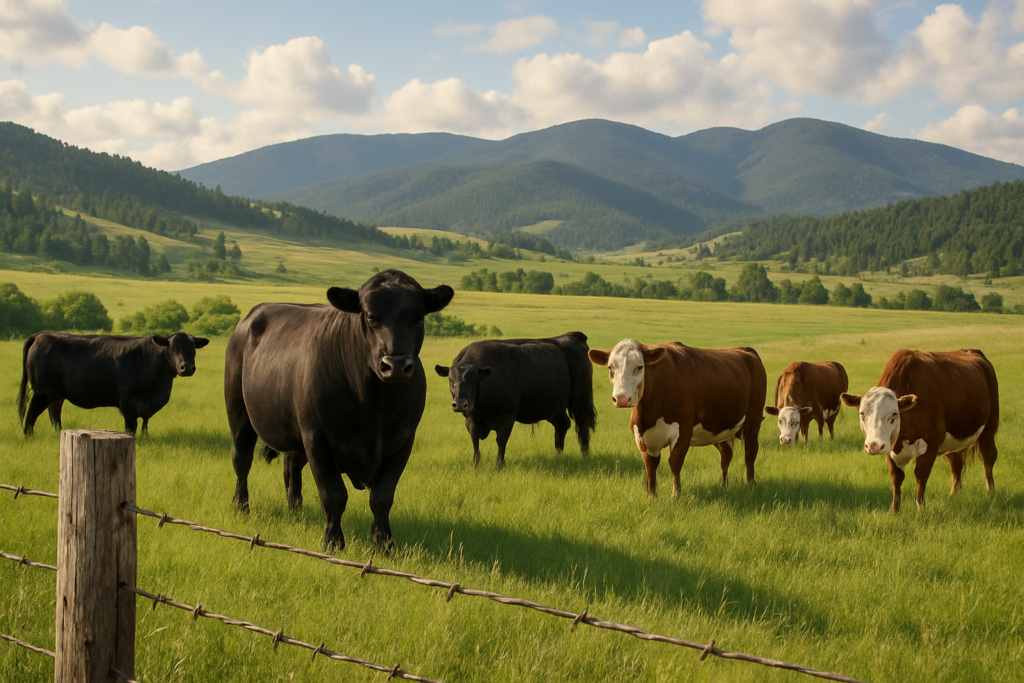
It gets in through cattle that share a fence or a bull. The classic route is a neighbor’s bull coming through a hole in the fence, breeding a few of your cows, and going home. A stray bull nobody claims. Commingled cattle on shared summer range or a leased allotment where several outfits run together. A bought bull with an unknown history. Open cows brought in that were exposed the year before and are quietly carrying.
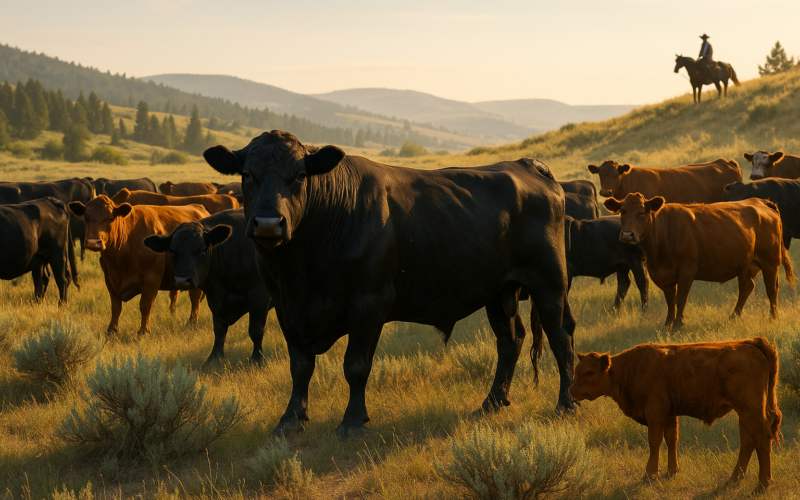
Trailing to a forest allotment or turning out with a neighbor is exactly the kind of situation where trich moves between herds. If your cattle mix with anybody else’s cattle, you’re no longer managing just your own biosecurity.
The test is done on the bull, not the cow. A vet takes a preputial scraping and runs it, and it usually takes more than one clean test to be confident a bull is negative, because the organism doesn’t always show up on a single sample. Montana has rules around testing bulls that change hands or move across state lines, and those rules get updated, so check the current requirements with your vet or the state before you buy, sell, or lease a bull. Don’t guess on the regulations.
Keep it out before you have to dig it out
Cleaning up a trich outbreak is expensive and slow. Practically speaking:
- Run young bulls when you can. Virgin bulls come clean, and a younger sheath is less friendly to the organism.
- Test bulls before you turn them in if there’s any question about where they’ve been, especially bought, borrowed, or leased bulls.
- Cull carrier bulls. There’s no reliable treatment that puts a positive bull back to work. He goes to town.
- Fix the fences that let strange bulls in, and get unclaimed strays out of your cows fast.
- Keep a defined breeding season and pull the bulls on time. A long, open-ended breeding window gives an infected cow more chances to spread it and hides the shortened conception you’d otherwise notice.
A tight calving distribution is your early warning system. If you keep good records and one year the calves come scattered and the opens don’t add up, put trich on the list before you blame the grass. It’s a lot cheaper to test a couple of bulls than to feed a barren cow through a Montana winter and figure it out next June.