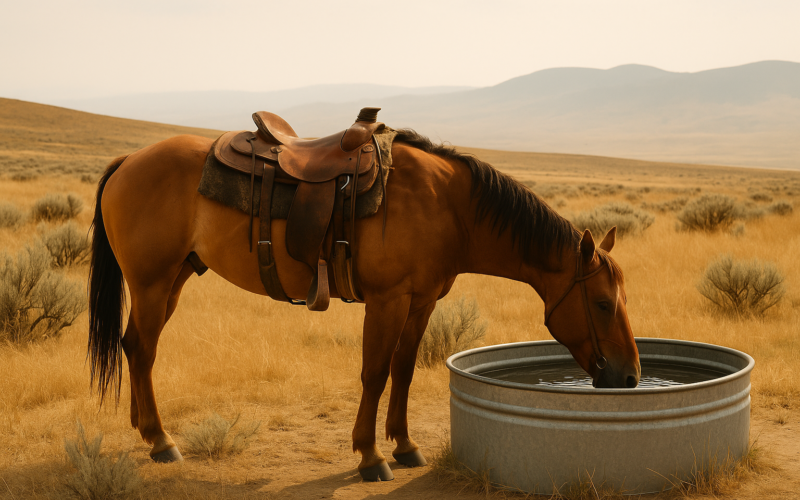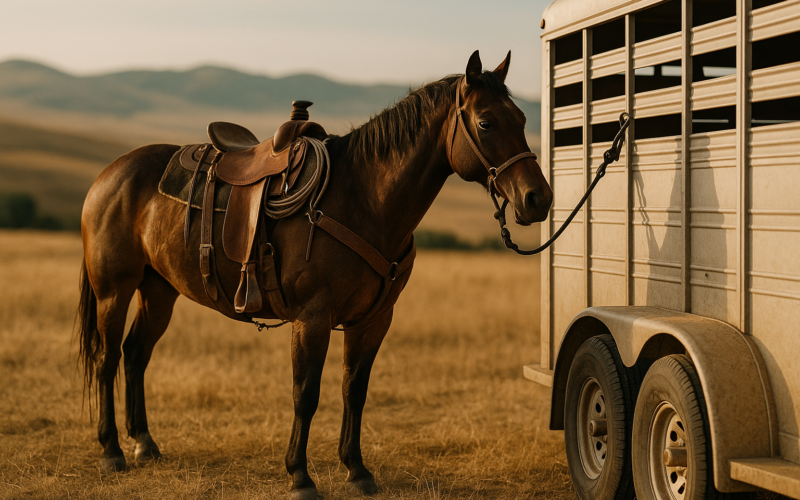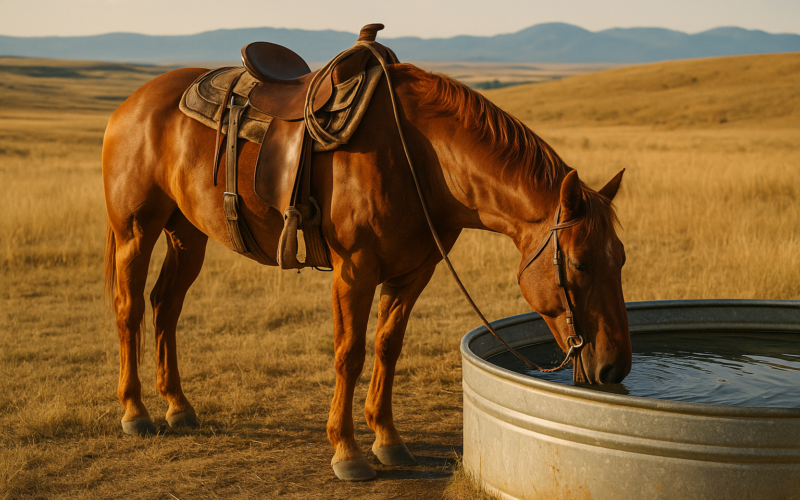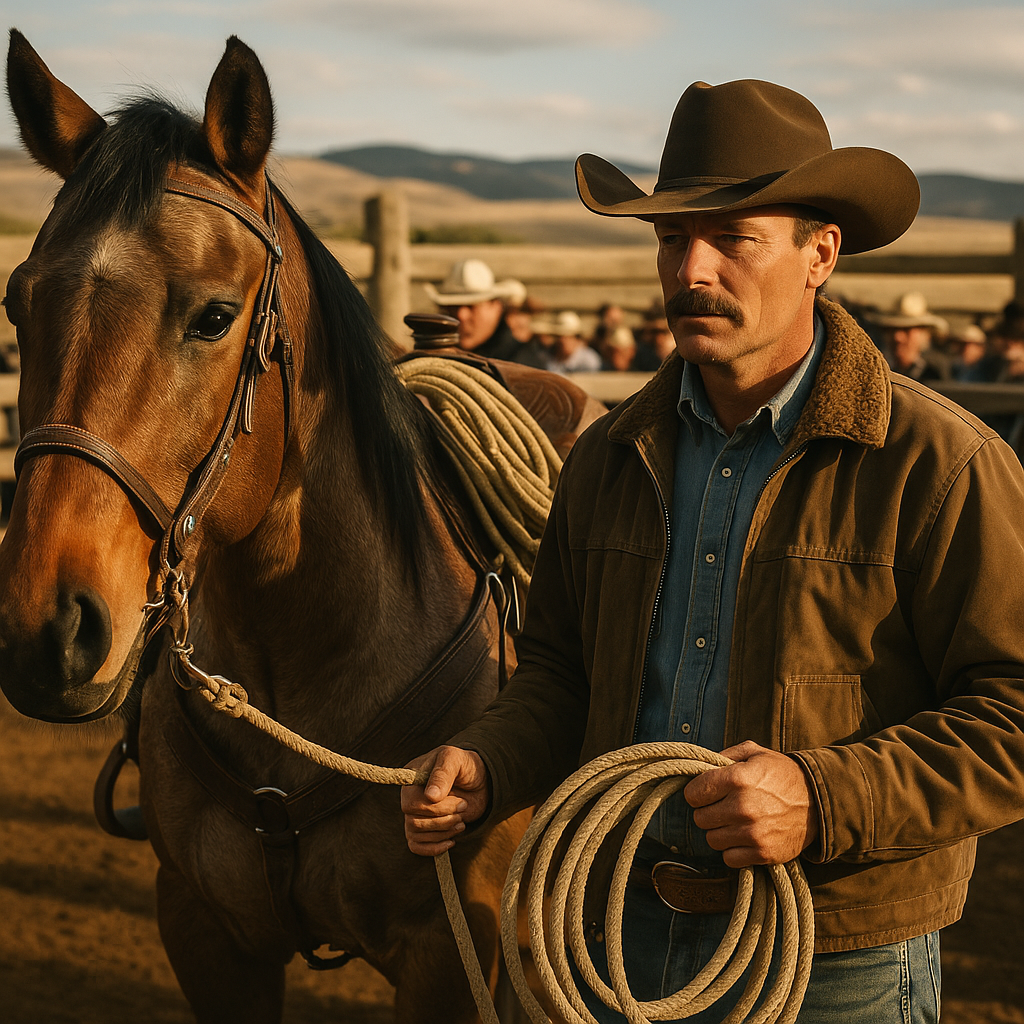
Across the West, good rope horses aren’t just a rodeo luxury—they’re working tools that can make a day in the branding pen smoother, safer, and more efficient. Reports out of Texas about a returning, ranch-backed rope horse sale are a reminder of what’s moving the market right now: proven programs, consistent handling, and horses that stay sound under real use.
Quick takeaways
- Program reputation matters: buyers pay for consistency in breeding, handling, and honest descriptions.
- “Ranch-raised” sells when it’s real: horses that have seen cattle, gates, rough ground, and long days tend to hold value.
- Soundness and usability beat flash: buyers increasingly ask for vet info, video, and a clear “what this horse does well.”
- Demand is broader than rodeo: team ropers, ranchers, and performance homes often shop the same horses.
The event itself is happening far from Montana, but the themes are familiar to anyone who’s tried to find a dependable head or heel horse—or a ranch horse that can double as a weekend rope horse. When a sale builds momentum year after year, it’s usually because the horses fit a practical need and the seller’s reputation holds up under scrutiny.
Why rope horses are drawing attention
Team roping continues to be one of the biggest drivers in the performance horse world, and it pulls a wide range of buyers: competitors hauling every weekend, ranch families looking for a solid step-up horse, and folks who want a safe mount that can handle pressure.
In Montana, that demand shows up in a few predictable places—spring branding season, summer rodeos, and the steady churn of horses changing hands through private treaty sales, local consignment auctions, and word-of-mouth networks. A high-profile sale in another state doesn’t set Montana prices by itself, but it can reflect the same buyer preferences we’re seeing here: broke, gentle, and handy beats fancy paperwork if the horse can’t do the job.
What buyers tend to pay for
Whether you’re shopping in the Gallatin Valley, the Hi-Line, or down the Yellowstone, the checklist looks similar. Buyers want a horse that is:
- Sound for the work expected—feet, legs, and back that hold up under miles and hard stops.
- Consistently broke, meaning it rides the same on Tuesday as it did Sunday, and it’s not a “one-person” horse unless that’s clearly disclosed.
- Cattle-seasoned, not just arena-patterned—tracking, rating, and staying honest in a crowd.
- Safe-minded—a horse that keeps trying when things get western, instead of looking for a fight.
Those traits are hard to fake, and they’re even harder to build quickly. That’s why established programs—ranches or trainers with a long track record—often command stronger interest. Buyers aren’t only buying a horse; they’re buying trust in the description.
The value of a “real ranch horse” (and what that should mean)
“Ranch horse” is one of the most-used labels in classified ads, and it can mean anything from “has seen a cow once” to “has spent three seasons doctoring calves in the breaks.” In Montana, where terrain and weather can be unforgiving, the term carries weight—if it’s accurate.
A legitimate ranch horse background often includes:
- Riding outside in wind, snow, and heat
- Crossing rough country, rocks, and gumbo
- Opening gates, ponying, dragging calves, and sorting pairs
- Standing tied, loading, and handling long days without melting down
For ropers, that outside foundation can translate into a horse that stays level-headed in the box and handles pressure when the run doesn’t go perfect. For ranchers, it can mean a horse that doesn’t get sour after a few hard weeks.
How reputable sales reduce guesswork
One reason buyers travel to well-known sales is to reduce risk. A structured sale with a consistent program behind it can offer clearer information than a random online listing. That doesn’t guarantee perfection, but it can help buyers compare horses apples-to-apples.
If you’re shopping any sale—Montana or out of state—look for:
- Plain-language descriptions that match what you see in person.
- Opportunity to ride (when offered) or at least watch the horse in multiple settings.
- Video that shows real work: catching, saddling, riding outside, sorting cattle, roping the dummy, and live cattle if available.
- Health and vet transparency: many serious buyers want current farrier schedules, dental info, and any known maintenance disclosed up front.
Montana buyers should also remember the practical side of hauling a horse home across state lines: health paperwork, travel stress, and time to let a new horse settle before throwing it into a heavy work schedule.
Breeding vs. training: where the market is landing
Pedigree still matters in rope horse circles, especially for buyers who want predictability in size, mind, and athleticism. But the market repeatedly shows that training and usability can outweigh papers. A well-started, correctly finished horse with a good brain often brings stronger interest than a “blue-blood” prospect that’s still green.
For Montana ranch families, that’s a practical point: if you’re selling, the best return often comes from doing the basics exceptionally well—good handle, good stop, good feet, and a horse that’s gentle enough for the next person to enjoy.
What this means for Montana
Even though the headline sale is in Texas, the ripple effects are familiar here. When buyers are willing to travel for proven rope horses, it underscores a few realities in Montana’s horse economy:
- Good horses are still hard to replace. A reliable rope-and-ranch horse is a multi-year project, and the supply is never as big as the demand during peak seasons.
- Montana programs can compete when they emphasize soundness, outside miles, and honest selling. Horses that are truly ranch-used and correctly trained fit a national buyer profile.
- Transparency is becoming the norm. More buyers expect straightforward disclosure on maintenance, past injuries, and what the horse is (and isn’t) ready for.
- Versatility sells. Horses that can drag calves in May, rope in July, and pack an elk camp in September tend to hold value in a state where people want one horse to do three jobs.
For Montana sellers, the takeaway isn’t to chase trends—it’s to document the horse’s real-world job. Keep records, keep consistent handling, and show the horse doing the work you claim it can do. For Montana buyers, the message is to shop with a plan: define your needs, budget for upkeep, and don’t be afraid to ask direct questions before you bid or buy.
Practical shopping tips for rope-and-ranch horses
If you’re in the market this year, a few basics can save money and headaches:
- Match the horse to the job: a “futurity prospect” and a “safe ranch rope horse” are different animals.
- Ask about the horse’s week: how often it’s ridden, by whom, and in what settings (arena vs. outside).
- Watch for consistency: catch it in the pen, saddle it, ride it cold, and see how it acts after a break.
- Consider a pre-purchase exam: especially if you’re buying a higher-dollar horse or one expected to rope hard.
- Plan the transition: new horses can take weeks to settle—feed changes, weather, and new routines matter.
Montana’s horse culture values practicality. The best rope horses are rarely the loudest in the pen—they’re the ones that show up, stay sound, and make their rider better. If a big out-of-state sale is drawing attention, it’s likely because it’s offering that exact kind of usefulness, backed by a reputation buyers trust.
Inspiration: “team roping horses” – Google News (link)