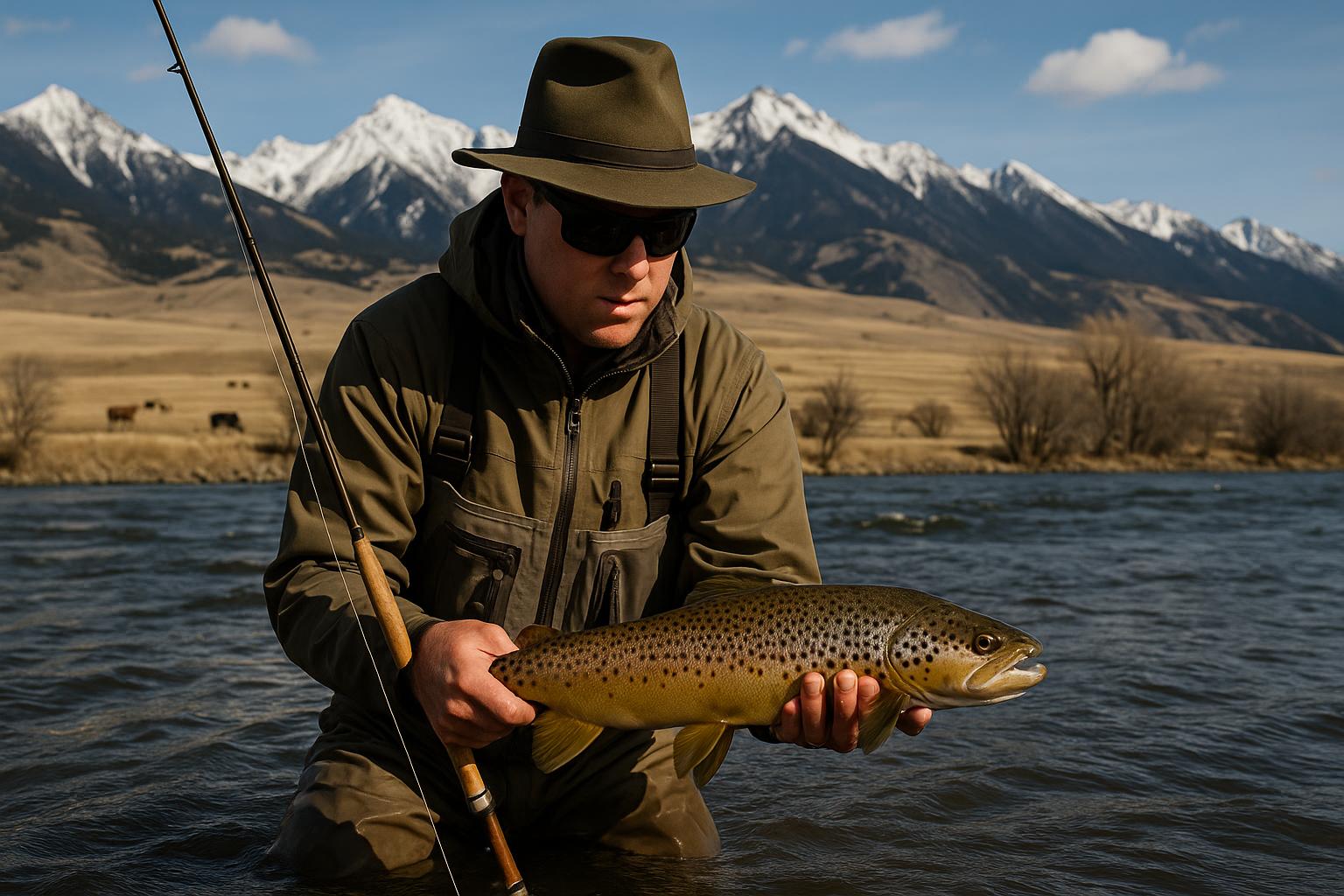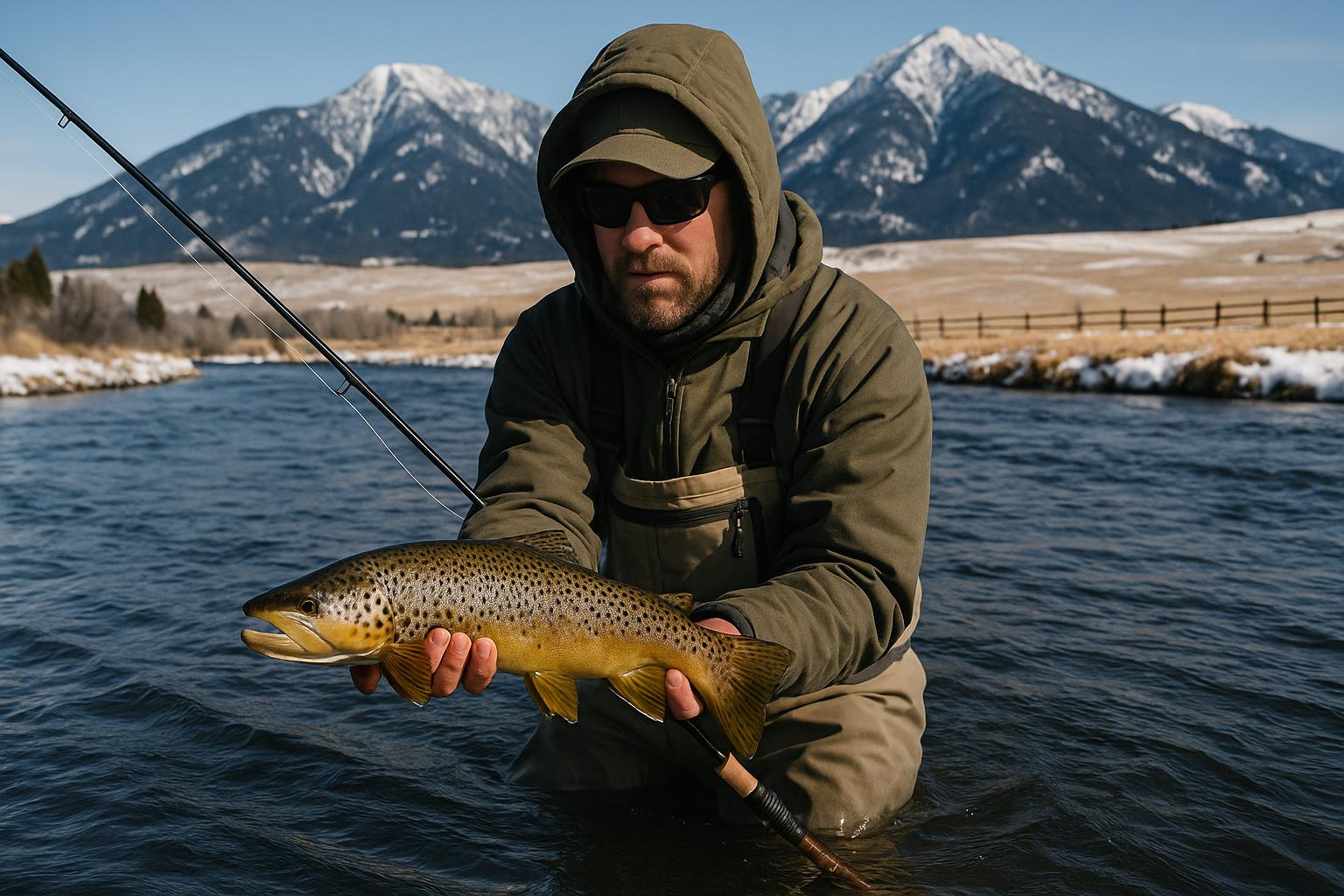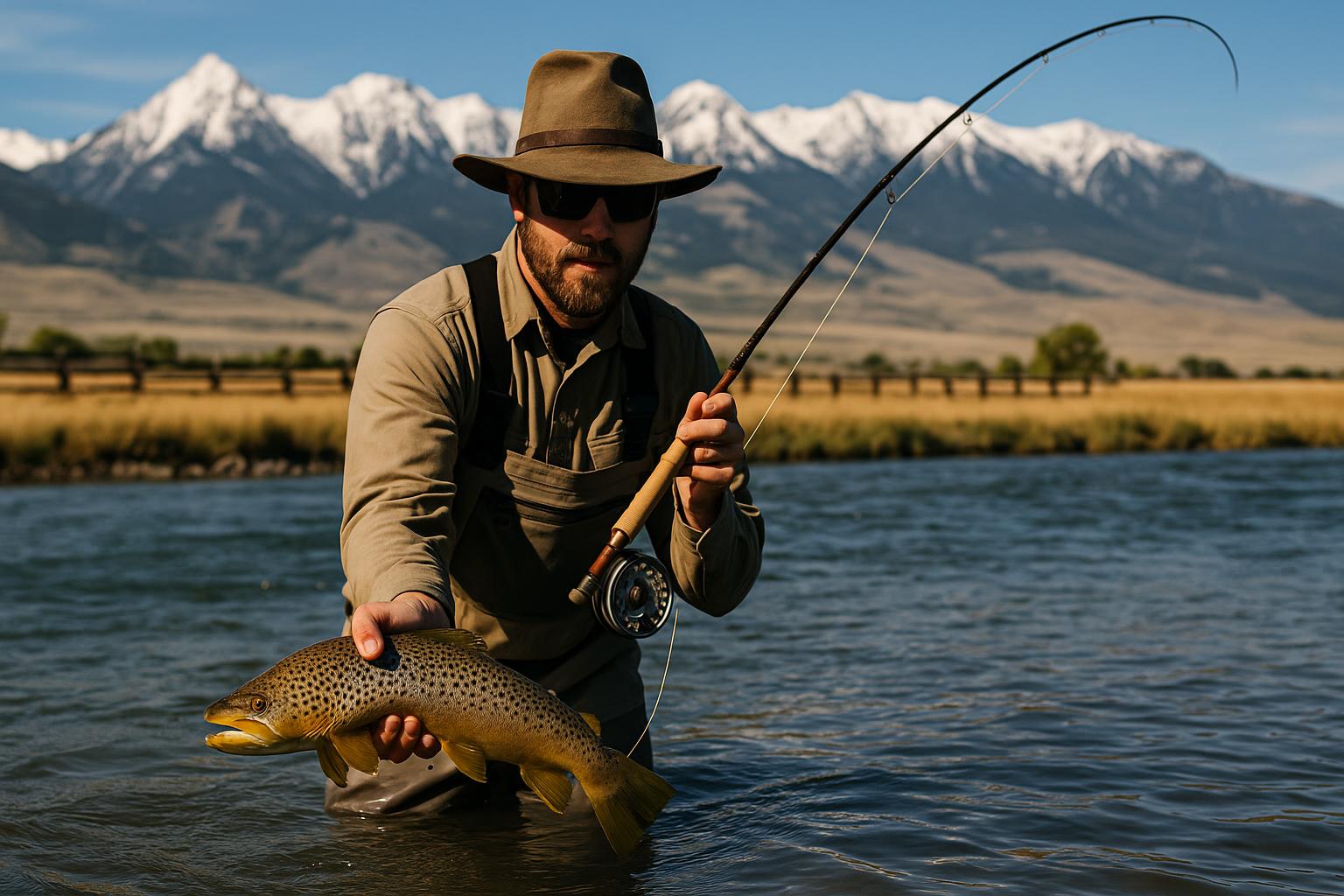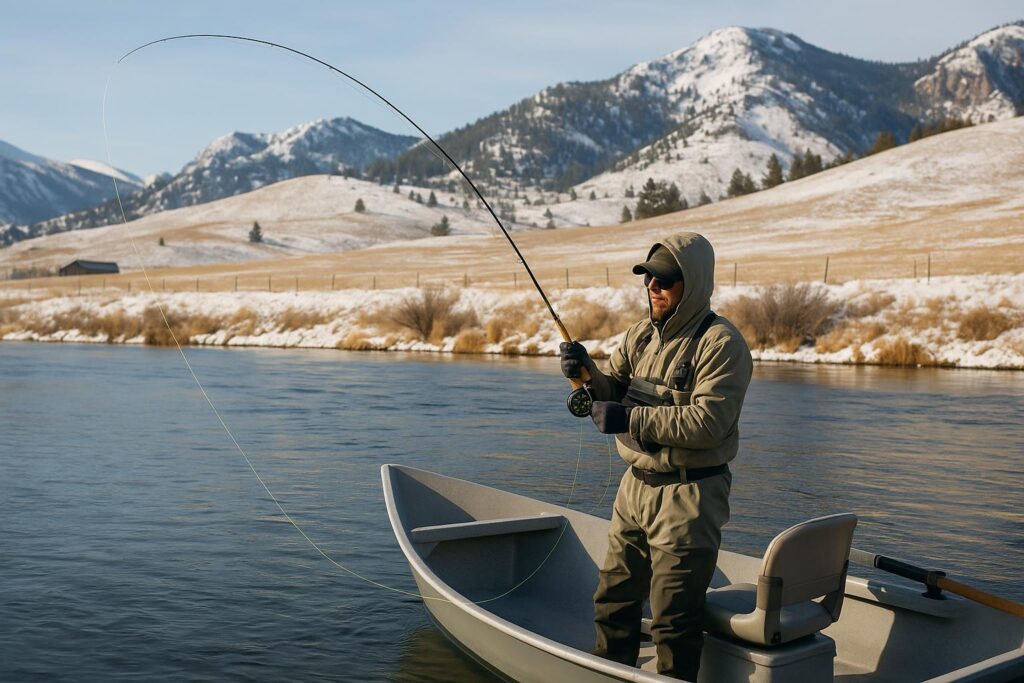
The Missouri River below Holter Dam remains one of Montana’s most consistent cold-season fisheries, but winter conditions narrow the daily “bite window” and put a premium on planning. Recent on-the-water reports indicate fish are still feeding—mostly on small midges and nymphs—while water temperature, wind, and sunlight determine how good a given day feels. If you’re heading to the Craig stretch, expect classic winter patterns: slow presentations, long leaders, and a willingness to grind through a quiet morning for a better afternoon.
Current conditions: what anglers are seeing
Flows and water clarity on the Missouri can change with dam operations, weather, and ice formation along margins. In general, anglers have been reporting relatively clear water below Holter with winter-cold temperatures and occasional shelf ice in slower edges. The river is typically very fishable this time of year, but the details matter.
- Water clarity: Often clear to lightly tinted; watch for localized cloudiness after wind events or rapid temperature swings.
- Water temps: Cold enough that trout activity tends to cluster in short periods—commonly late morning through midafternoon when the sun has had time to work.
- Wind: Wind can shut down a midge hatch quickly or make boat control difficult. If you’re wading, it can also create dangerous ice buildup on guides and lines.
Before you go, check real-time flow information and any notices that affect access. The U.S. Geological Survey gauge is a reliable reference for flows and trends: USGS Water Data. For Montana regulations and current rule changes, consult Montana Fish, Wildlife & Parks.
Where to focus: winter holding water
In winter, trout often slide into softer, more stable water where they can feed without spending much energy. That doesn’t mean “slowest water only,” but it does mean your best odds are usually found where current seams, depth changes, and food lanes intersect.
- Seams and edges: Look for gentle transitions between faster mid-river current and slower inside water.
- Deep runs with structure: Winter fish frequently hold near the bottom in 4–8 feet (or deeper), especially where cobble and ledge features break current.
- Back-eddies and soft buckets: These can be productive, but be cautious of shelf ice and unstable footing.
If you’re floating, expect fewer “run-and-gun” stops and more time spent dialing in one or two productive pieces of water. If you’re wading, pick spots with safe entry/exit and avoid committing to steep, icy banks.
Fly selection: midges lead the menu
Reports indicate midges are the most dependable winter food source on the Missouri right now, with occasional baetis (blue-winged olive) activity depending on weather. Even when you don’t see many adults, trout can be keyed on larva and pupa stages under the surface.
Common winter choices (sizes often matter):
- Midge larva/pupa: #16–#22 in reds, blacks, and naturals; slender profiles tend to do well.
- Small mayfly nymphs: #16–#20 for baetis-style nymphs when you suspect a mayfly component.
- Attractor nymphs (downsized): #14–#18 can help fish find your rig in slightly tinted water, but avoid going too large if refusals happen.
- Dry flies: When midges pop, #18–#22 adult or cluster-style patterns can be worth carrying, especially on calm afternoons.
Keep a range of weights and bead sizes. Winter fish often sit tight to the bottom; being an inch too high can mean a long, quiet drift.
Best bets: nymphing tactics that fit the season
On most winter days, nymphing is the workhorse approach. The key is a controlled drift at the right depth, repeated through likely holding lanes. If you’re using an indicator, adjust frequently until you’re ticking bottom occasionally without constantly snagging.
- Depth first: Start deeper than you think, then fine-tune. If you aren’t contacting bottom at all, you’re probably above the fish.
- Slow the drift: Use mends to avoid drag and keep flies moving naturally with the current seam you’re targeting.
- Two-fly rigs: Pair a slightly heavier lead fly with a smaller dropper (often a midge). If fish are picky, reverse it and lighten up.
- Longer leaders: Winter clarity can call for a bit more stealth. Don’t be afraid to lengthen tippet if you’re seeing follows or short strikes.
For experienced anglers, a tight-line/Euro-style approach can be effective in the right water, especially when wind makes indicator control tough. The tradeoff is you’ll want consistent depth and manageable currents to maintain contact.
When to switch: watching for a midge hatch
Missouri River winter hatches can be subtle. A “hatch” might mean a handful of midges and a few noses, or it might mean steady surface activity in a protected slick. Reports suggest the most reliable window is often when the day has warmed slightly and wind is minimal.
- Signs to look for: shucks in the film, tiny adults hovering, trout dimpling softly rather than splashing.
- Approach: keep casts short, land softly, and expect selective feeding.
- Fallback plan: if surface activity fades, go right back to pupa/larva patterns under an indicator.
If you do find steady risers, patience pays. One good pod can make a winter day, but it can also evaporate with a gust of wind or a passing cloud.
Access, safety, and winter float considerations
Cold-weather Missouri trips can be outstanding, but they’re not the time to cut corners. Hypothermia risk is real, and river edges can be deceptively dangerous when ice shelves form.
- Wear proper cold-water gear: waders with a wading belt, layered insulation, and a dry top or wading jacket that blocks wind.
- Boat safety: if floating, wear a PFD and keep a dry bag with warm layers. Plan for shorter days and earlier takeouts.
- Watch for shelf ice: avoid stepping onto overhanging ice; it can break without warning.
- Traction helps: studs or traction devices can reduce slips on icy rocks and ramps.
Also keep an eye on weather and road conditions around Canyon Ferry, Helena, and the Craig corridor. A mild morning can turn into a white-knuckle drive home after dark. For forecasts and advisories, check National Weather Service and local road reports.
What this means for Montana
The Missouri River’s winter fishery is more than a cold-season pastime—it’s an economic and cultural anchor for the Craig area and central Montana. When conditions line up, winter angling supports guides, shops, lodging, and restaurants during a quieter tourism season. At the same time, winter fishing concentrates pressure into smaller windows and softer water, which makes ethical handling and conservative decisions important.
If you go, keep fish wet, minimize time out of the water, and consider calling it a day if ramps ice up or wind makes boat control unsafe. The Missouri will be there tomorrow, and winter rewards anglers who respect the margins.
Quick checklist for a Missouri River winter day
- Check flows and weather before leaving
- Plan for the warmest part of the day
- Carry midge patterns in multiple sizes and colors
- Adjust depth often; expect subtle takes
- Prioritize safety around ice and cold water
Inspiration: www.montanaangler.com