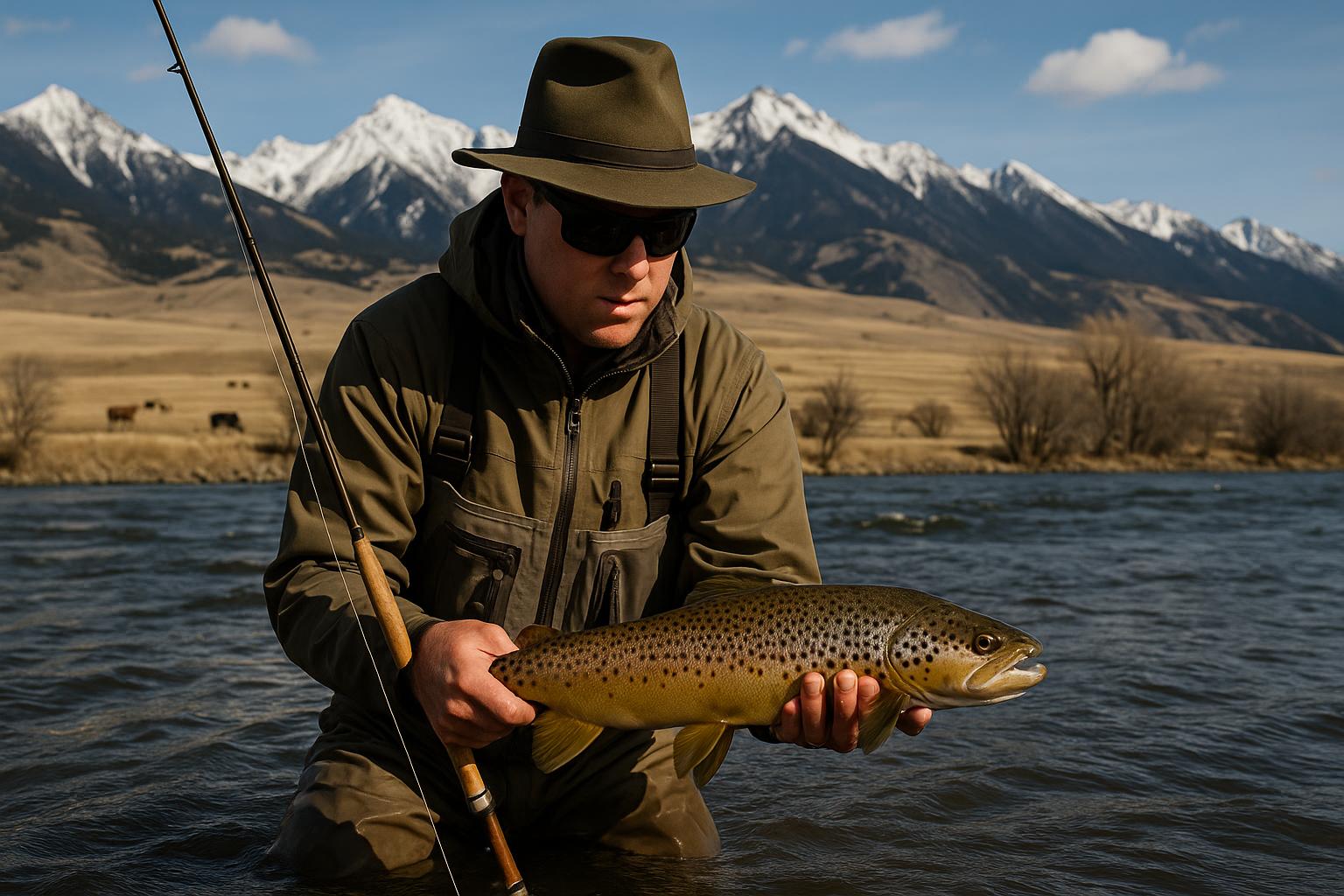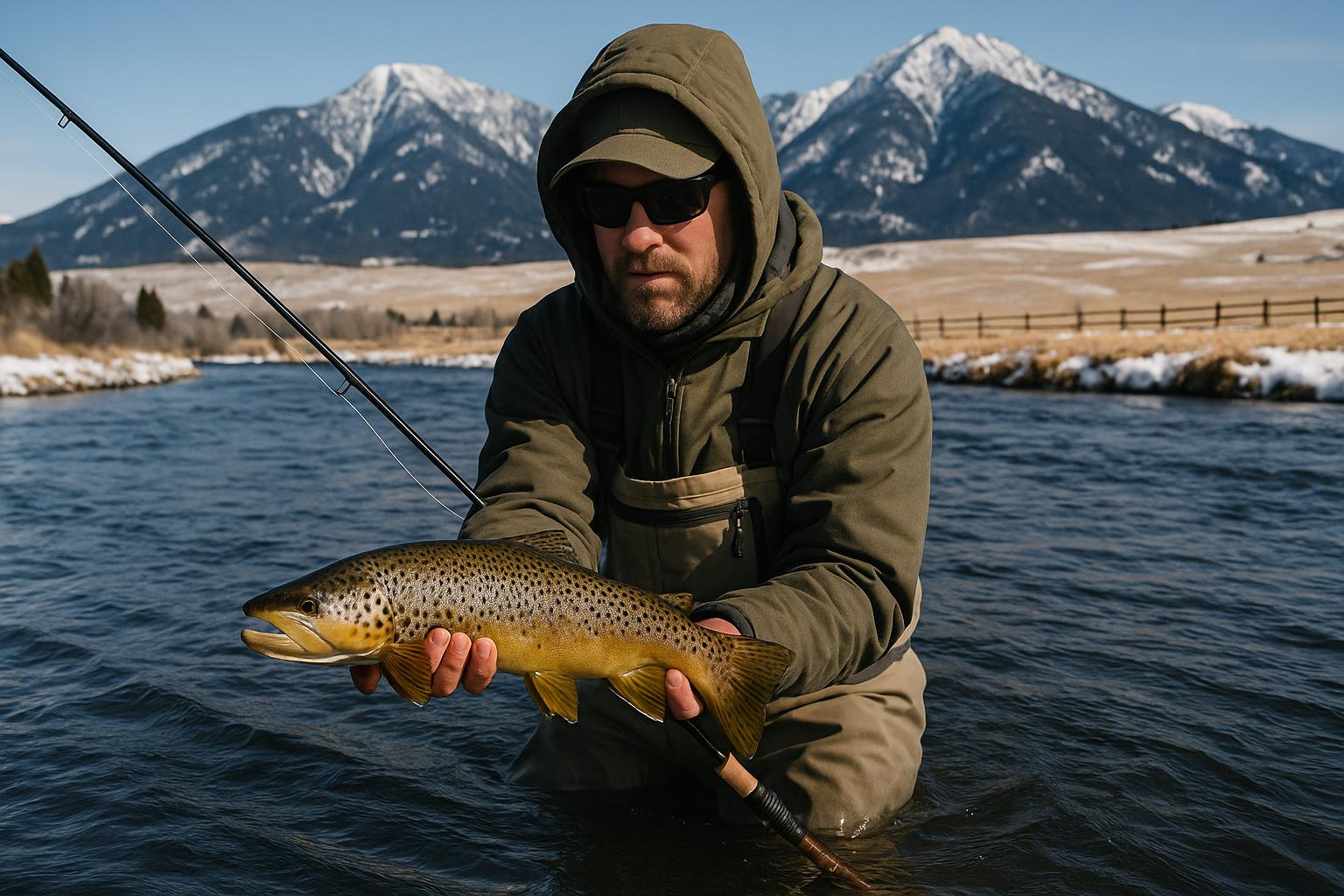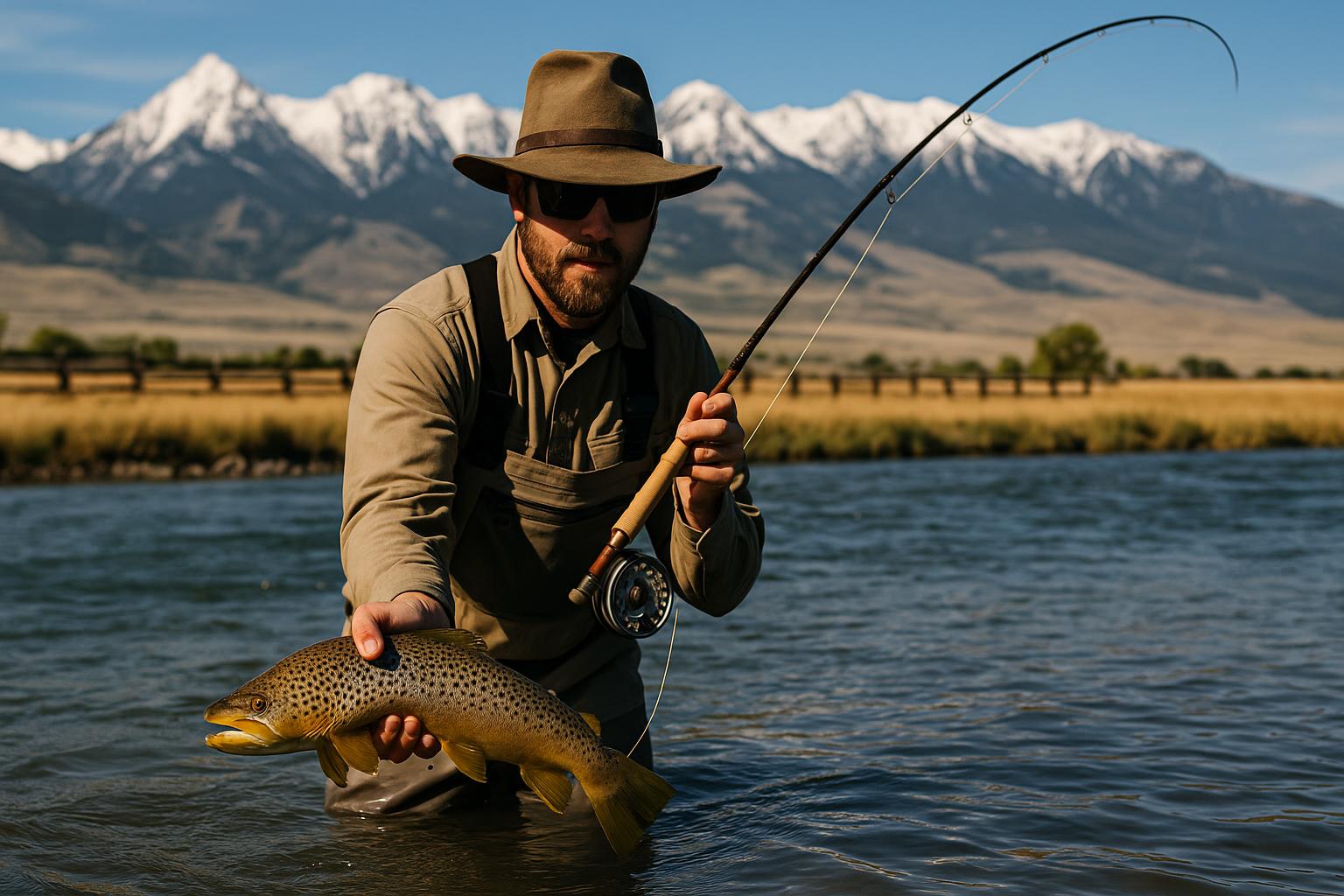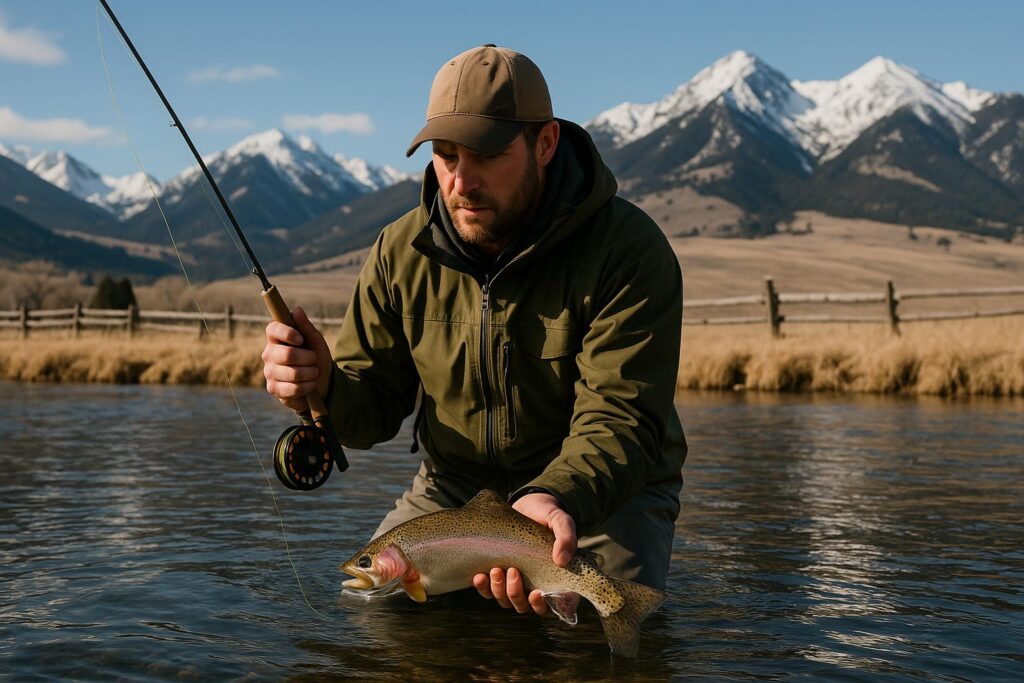
Southwest Montana is ringed by famous trout water, and Bozeman sits within practical striking distance of several very different rivers. For anglers planning a day trip (or a quick evening session after work), the Madison, Gallatin, Yellowstone, and Jefferson each fish differently depending on flows, water temperature, and access conditions. This report rounds up what to watch for and how to approach each river with a cautious, conditions-first mindset.
Quick reminder: River conditions change fast with snowmelt, thunderstorms, irrigation demand, and heat. Before you go, check streamflow and temperature where available, and be ready to adjust plans if water is warm or muddy.
Before you leave town: conditions that matter most
In the Bozeman area, a “good plan” often comes down to matching tactics to the day’s water and weather.
- Streamflow: High flows can push fish tight to banks and soft edges; low flows can make fish wary and concentrate angling pressure.
- Water temperature: When temps climb into the upper 60s°F, trout stress increases. Many anglers shift to early mornings, fish faster/colder tributaries, or take a break during the hottest part of the day.
- Clarity: Runoff or thunderstorms can turn a river “off-color.” Sometimes that helps streamer fishing; sometimes it makes nymphing tough.
- Wind: Afternoon winds are common. If you’re fishing dries, plan around it—sheltered reaches or earlier/later windows can be more productive.
For objective numbers, the USGS real-time stream gauges for Montana are a solid starting point. Weather can be checked through the National Weather Service. For any current restrictions or closures, consult Montana Fish, Wildlife & Parks.
Madison River: steady option, but watch pressure and temps
The Madison is often the “default” choice for visiting anglers because it tends to fish consistently across a wide range of conditions. Reports indicate that when flows are moderate and water is clear, anglers do well with a mix of nymphing and streamer tactics, with dry-fly windows opening when insects are active and winds cooperate.
How to approach it:
- Nymphing: Focus on seams and drop-offs, especially where faster current dumps into a softer bucket. Adjust weight frequently—depth changes quickly.
- Streamers: Productive along banks, boulders, and deeper runs, particularly under cloud cover or slightly stained water.
- Dries: When you see consistent rises, slow down and match the size and profile. Wind can shorten dry-fly opportunities.
Access and etiquette: Popular reaches can get crowded. Give other anglers room, avoid stepping into someone’s water, and be mindful at pullouts and boat ramps. If you’re floating, communicate clearly with wade anglers before sliding through a run.
Gallatin River: pocket water close to town, fast decisions required
The Gallatin is a go-to for Bozeman locals because it’s close and offers classic pocket-water fishing in many sections. It can be a great choice when you want moving water, quick shots, and short drifts. It can also be challenging during high runoff, when wading becomes hazardous and clarity drops.
What tends to work:
- High-stick nymphing: Short drifts through pockets and behind rocks. This is a “lots of casts” river; cover water and keep moving.
- Dry-dropper rigs: Useful when fish are looking up but still want a subsurface option. Keep leaders stout enough to turn over in wind.
- Small streamers: Effective in deeper slots and along undercut edges, especially when the river has a bit of color.
Safety note: The Gallatin’s gradient and boulder structure can make it deceptively pushy. If the river looks too fast to wade safely, it probably is. Fish from the bank or choose a different water for the day.
Yellowstone River: big water, big variety, changing clarity
The Yellowstone’s character depends heavily on where you fish it. It can run clear and wadable in some stretches while other sections are influenced by tributaries, weather, and seasonal runoff. Anglers often do well by treating it like a “feature” river: target banks, side channels, and softer inside bends rather than trying to cover the main push.
On-the-water approach:
- Bank and structure: Fish the edges, especially where current meets slack water. Look for foam lines, cutbanks, and submerged wood where present.
- Side channels: When the main river is big, side braids can offer manageable flows and clearer water.
- Adapt to clarity: If the river is stained, consider larger profiles or darker colors. If it’s clear and low, scale down and lengthen leaders.
Floating vs. wading: The Yellowstone can be a terrific float river, but conditions and skill level matter. If you’re new to rowing or the river is running high, consider going with an experienced oarsman or a licensed guide. Always use a properly fitted life jacket.
Jefferson River: under-the-radar feel, but timing matters
The Jefferson often fishes differently than the Madison or Gallatin. It can be slower, weedy in places later in the season, and influenced by irrigation and warm-weather temperature swings. That said, reports indicate that when conditions line up—especially during cooler parts of the day—it can reward anglers who fish methodically and pay attention to water temps.
Practical tips:
- Fish early or late: On hot stretches, the best window may be morning. If water is warm, consider giving the river a rest.
- Work the “soft stuff”: Deeper runs, undercut banks, and shaded edges can hold fish when the main current is bright and warm.
- Expect variety: Weed growth and clarity can change quickly. Bring options: nymphs, small streamers, and a few dries for opportunistic surface feeding.
Access, rules, and conservation: do the simple things right
Southwest Montana’s rivers see heavy use, and small choices add up. A few fundamentals help protect the resource and keep access relationships healthy:
- Know where you can legally fish and walk: Montana’s stream access laws are widely used but still misunderstood. If you’re unsure, start with FWP’s stream access information at fwp.mt.gov.
- Decontaminate gear: Clean, drain, and dry waders, boots, and boats to reduce the spread of aquatic invasive species. Guidance is available through Montana FWP AIS resources.
- Handle fish carefully: Land fish quickly, keep them wet, and avoid long photo sessions—especially when water temperatures are elevated.
- Check for hoot owl restrictions: Seasonal afternoon closures can occur on some waters to protect trout during heat stress. Verify current rules with FWP before traveling.
What this means for Montana
Bozeman’s proximity to multiple blue-ribbon rivers is a point of pride—and a real economic engine for local outfitters, fly shops, lodging, and main-street businesses from Four Corners to Livingston and Ennis. But that convenience also concentrates pressure. When anglers choose rivers based on conditions (not just reputation), fish early during heat, and respect access and other users, it helps keep these fisheries resilient.
In practical terms: check flows, prioritize cold water, spread out when you can, and don’t force a plan when the river is telling you “not today.” That approach supports the long game—healthy trout, good public access, and a fishing culture that works for locals and visitors alike.
Inspiration: flyfishingbozeman.com