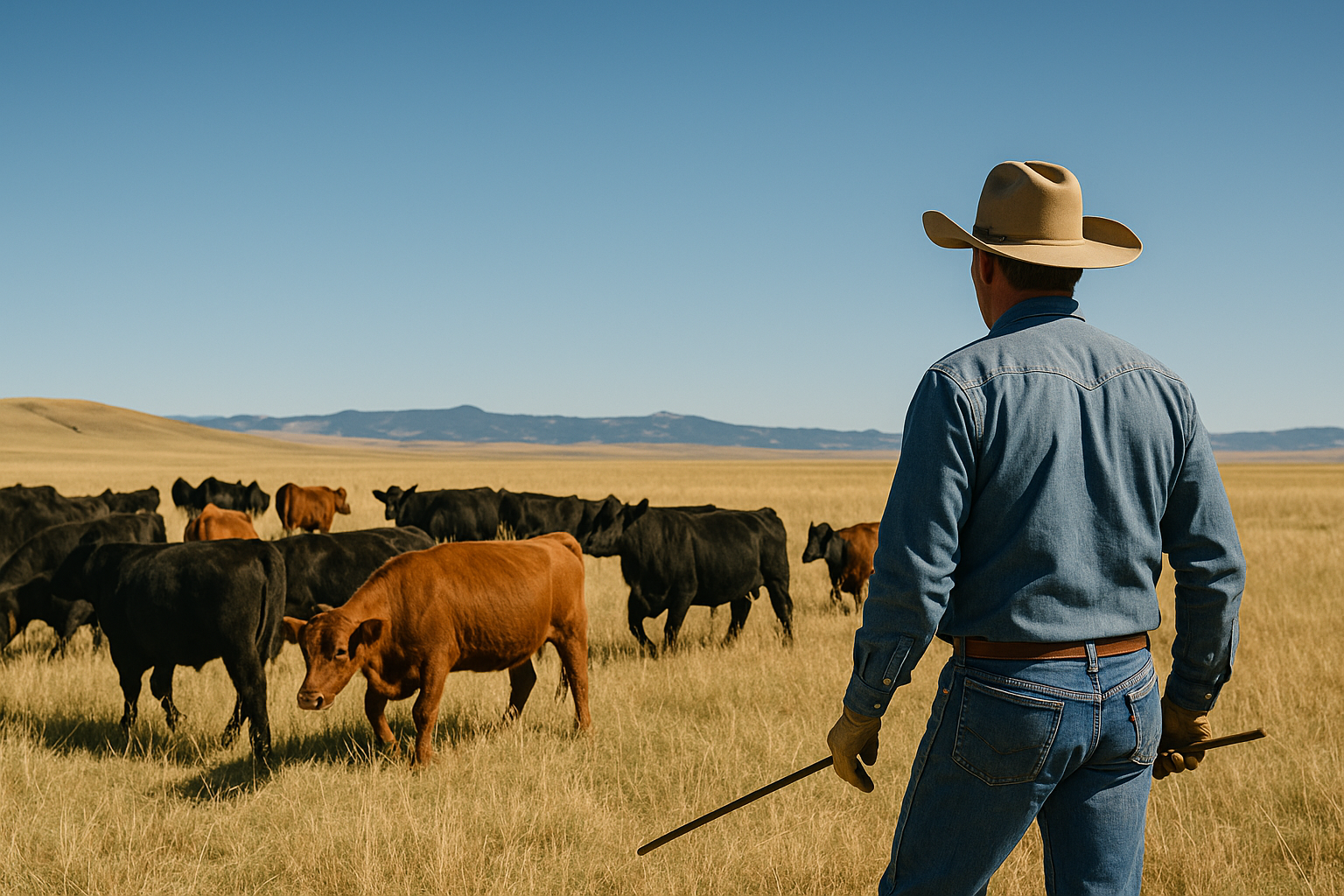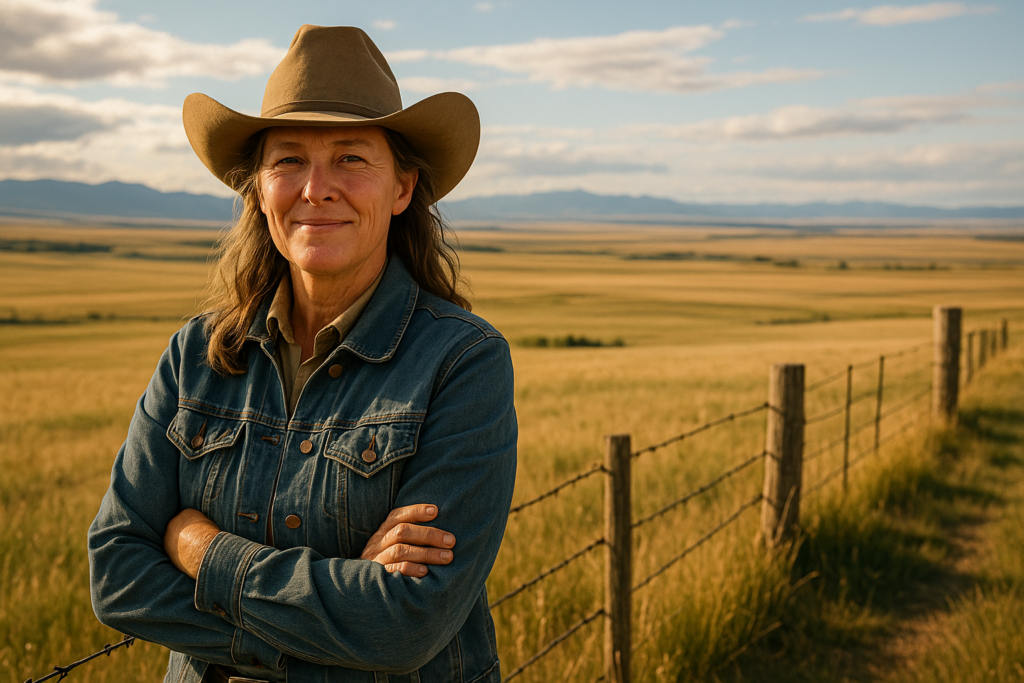
In the rugged landscapes of Montana, women farmers are breaking barriers and redefining agriculture. From running sprawling ranches to innovating sustainable practices, these women are not just participating in agriculture—they are leading it.

What’s Happening
This year marks a significant moment as 2026 is declared the International Year of the Woman Farmer. Among those celebrated is Lisa Schmidt, a prominent figure in Montana’s agricultural scene. Her story, like those of many other women in the state, highlights the growing recognition of female contributions to farming and ranching.

These women are tackling challenges head-on, from climate change impacts to market fluctuations, demonstrating resilience and innovation. Their efforts are essential not only for the state’s economy but also for setting examples in sustainable agricultural practices.
Why It Matters
The inclusion and recognition of women in agriculture are crucial for several reasons. Women bring diverse perspectives and innovative solutions to the table, often emphasizing sustainability and community-oriented approaches. This shift is vital in addressing the global challenges of food security and environmental conservation.
Moreover, supporting women in agriculture can lead to significant socio-economic benefits. Studies show that when women have equal access to resources, farm productivity increases, which can contribute to better food security and poverty reduction.
The Bigger Picture
Historically, agriculture in Montana has been male-dominated. However, over the past few decades, the landscape has been changing. According to recent data, women now represent a significant percentage of farm operators in the state. This change is part of a broader trend across the United States, where more women are taking on leadership roles in agriculture.
The rise of women in agriculture can be attributed to increased educational opportunities and policy support aimed at empowering female farmers. Organizations and networks dedicated to supporting women in agriculture have also played a crucial role in this transformation.
What to Watch For
As we continue into the International Year of the Woman Farmer, expect more initiatives and stories highlighting the achievements of women in agriculture. Look for policy changes aimed at providing better access to funding and resources for female farmers.
Additionally, keep an eye on the impact of these changes on agricultural practices and productivity in Montana. The integration of women’s perspectives could lead to more sustainable and innovative approaches to farming that could serve as models for other regions.
This article is based on reporting by the Great Falls Tribune.
Frequently Asked Questions
How are women impacting agriculture in Montana?
Women in Montana are leading sustainable farming initiatives, increasing productivity, and innovating new agricultural practices.
Why is 2026 significant for women in agriculture?
2026 is the International Year of the Woman Farmer, highlighting the contributions and achievements of women in agriculture globally.
What challenges do women farmers face in Montana?
Women farmers in Montana face challenges such as climate change, market fluctuations, and historically male-dominated industry norms.
Are there organizations supporting women in agriculture?
Yes, there are several organizations and networks providing support, resources, and advocacy for women in agriculture.
What are the economic impacts of women in agriculture?
Increased participation of women in agriculture enhances productivity, boosts food security, and contributes to poverty reduction.