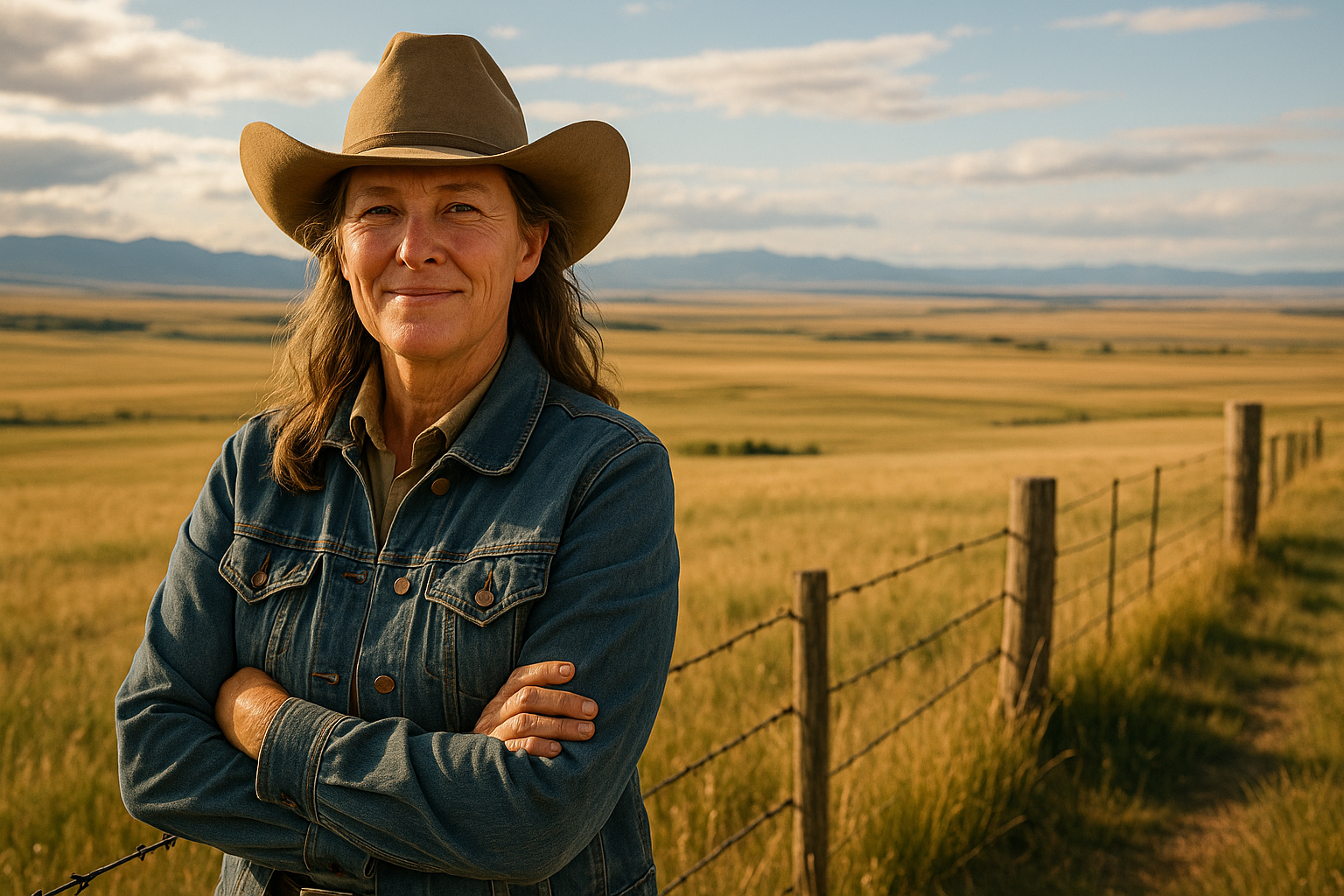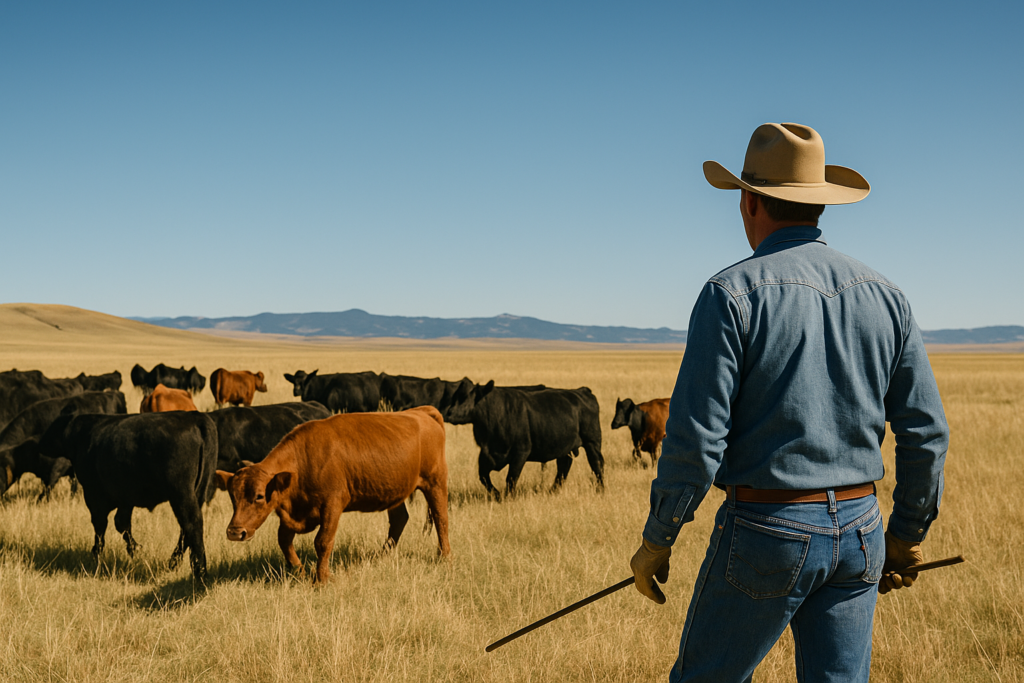
Montana ranchers are rallying for mandatory beef labeling as the influx of imported meat raises concerns over transparency and market fairness. With the state known for its high-quality beef production, local producers are feeling the pressure from imports flooding the market without clear origin labels.
What’s Happening
Montana ranchers have intensified their call for mandatory country-of-origin labeling (COOL) on beef products. The push comes as imported beef continues to pour into the U.S. market, often without clear labeling that distinguishes it from domestically produced meat. Ranchers argue that the absence of such labeling misleads consumers and unfairly disadvantages American beef producers.
The Montana Cattlemen’s Association has been vocal in advocating for legislative action that would require all beef sold in the U.S. to carry labels indicating its country of origin. This initiative aims to ensure that consumers can make informed choices and support local ranchers more effectively.
Why It Matters
For Montana ranchers, mandatory beef labeling is not just about market transparency—it’s about survival. Imported beef, often sold at lower prices, poses a competitive threat to local producers who pride themselves on quality and sustainable practices. Without clear labeling, consumers may unknowingly purchase imported beef, thinking it is local, which can hurt domestic sales.
The lack of mandatory labeling also raises questions about food safety and traceability. In cases of foodborne illnesses, knowing the origin of beef can be crucial for swift recalls and consumer safety. Moreover, labeling could bolster consumer trust, giving them confidence in the products they choose to consume.
The Bigger Picture
This issue is part of a larger national debate over the reinstatement of COOL laws. Originally mandated under the 2002 Farm Bill, COOL was repealed in 2015 after a World Trade Organization ruling that favored Canada and Mexico’s complaints. The repeal has since been a contentious topic, with many calling for its return amid growing consumer demand for transparency.
Globally, many countries require country-of-origin labels for beef, reflecting a trend towards greater transparency in food systems. The reinstatement of COOL in the U.S. could align domestic policies with international standards, potentially influencing global trade relations and consumer habits.
What to Watch For
As the debate over beef labeling continues, several key developments may impact the outcome. Watch for legislative proposals at both the state and federal levels that aim to address the concerns of ranchers and consumers. Additionally, consumer advocacy groups and industry stakeholders may increase their lobbying efforts, potentially swaying public opinion and legislative action.
The outcome of these efforts could set a precedent for other agricultural sectors grappling with similar issues of transparency and fair competition. As Montana ranchers and their allies press forward, the potential for change looms large on the horizon.
Attribution: This article is based on reporting by KRTV.
Frequently Asked Questions
Why are Montana ranchers pushing for beef labeling?
Montana ranchers want mandatory beef labeling to distinguish domestic products from imports, ensuring market fairness and consumer transparency.
What is COOL in the context of beef labeling?
COOL stands for Country-of-Origin Labeling, which mandates labels indicating the country of origin on beef products.
How does imported beef impact Montana ranchers?
Imported beef, often cheaper, competes with local products, potentially reducing sales for Montana’s higher-quality, domestic beef.
What happened to the original COOL laws?
The original COOL laws were repealed in 2015 following a WTO ruling against them, which favored Canada and Mexico’s complaints.
Could mandatory beef labeling affect food safety?
Yes, clear labeling enhances traceability, aiding in faster recalls during food safety issues, thus protecting consumers.