The upcoming April 1, 2026 hearing in Helena, Montana, could become a defining moment for the state’s timber future. Organized by the U.S. Forest Service, the meeting will focus on the proposed “Tri-Forest” Sustained-Yield Unit—a plan that could affect local economies, forest management decisions, and the broader timber supply chain.
Key Takeaways
- A public hearing on the Tri-Forest proposal is set for April 1, 2026 in Helena.
- The proposed unit spans three national forests: Helena, Lewis and Clark, and Beaverhead-Deerlodge.
- The Forest Service says the initiative is intended to support a sustained-yield timber supply while maintaining ecological balance.
- Stakeholders—including businesses, environmental groups, and community members—will be able to weigh in publicly.
- The Forest Service is expected to present analysis of economic and environmental impacts tied to the unit.
What’s Happening
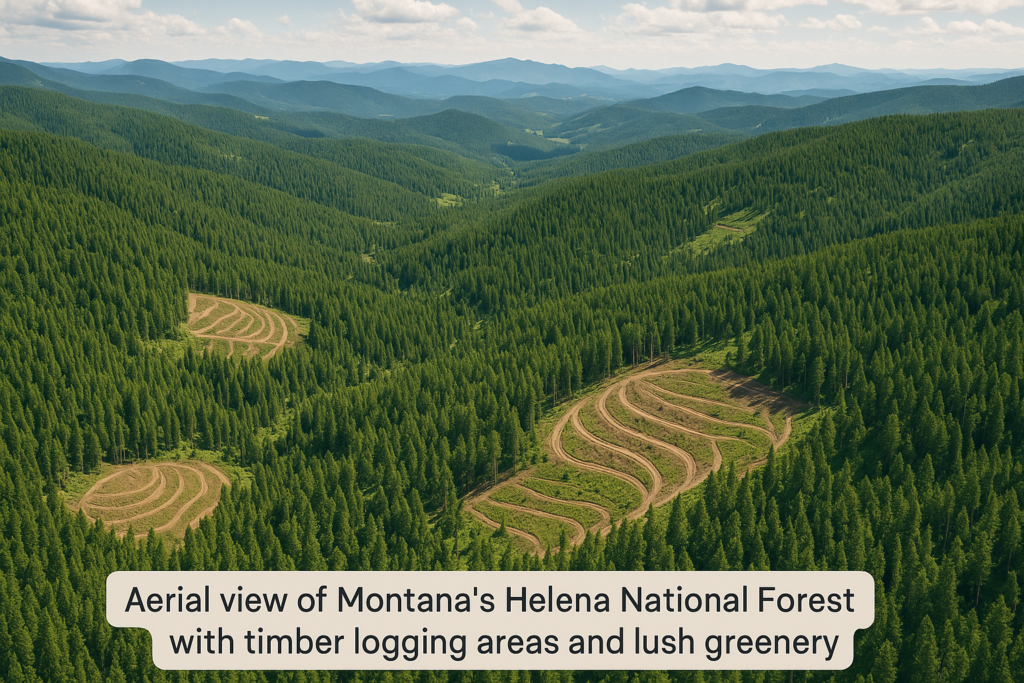
The U.S. Forest Service has announced a public hearing to discuss the future of the “Tri-Forest” Sustained-Yield Unit, scheduled for April 1, 2026, in Helena, Montana. The proposed unit encompasses three national forests: the Helena National Forest, the Lewis and Clark National Forest, and the Beaverhead-Deerlodge National Forest.
The initiative aims to create a sustained-yield timber supply intended to support local economies while maintaining ecological balance. The hearing is expected to provide a platform for stakeholders—such as local businesses, environmental groups, and community members—to share perspectives on what the plan could mean for timber supply, habitat considerations, and community stability. The Forest Service is expected to present detailed analyses of the unit’s potential economic and environmental impacts.
Why It Matters
Timber is a cornerstone of Montana’s economy, with the industry supporting thousands of jobs across the state. Supporters of a sustained-yield approach often point to the value of a steadier supply of raw material for local mills and producers—something that can be especially important for smaller communities where forestry-related work is a major source of employment.
At the same time, the proposal is framed around balancing economic benefits with environmental stewardship. By adopting sustainable practices, the Forest Service says it seeks to protect vital habitats and preserve Montana’s biodiversity. The public hearing gives stakeholders a chance to press for clarity on how ecological concerns will be evaluated alongside economic needs.
The Bigger Picture
Sustained-yield units trace their roots to the 1944 Sustained-Yield Forest Management Act, which aimed to balance timber production and conservation. The Tri-Forest proposal fits into a broader trend toward integrating sustainable practices into resource management, reflecting heightened public attention to environmental impacts.
Nationally, the timber industry faces headwinds that include fluctuating market demand and climate-driven changes affecting forest ecosystems. In Montana, those pressures intersect with the need to protect the state’s natural landscapes and biodiversity—assets that also matter for tourism and outdoor recreation.
What to Watch For
The April 1 hearing will likely focus attention on environmental impact assessments, community feedback, and economic forecasting. Observers will be watching how the Forest Service responds to questions from industry voices and environmental advocates, and how it describes potential tradeoffs between supply stability and ecological protection.
After the hearing, any next steps or decisions could influence how similar initiatives are approached elsewhere. Stakeholders will also be watching for policy signals that could shape future forest management strategies.
As developments unfold, Montana Outdoor News will continue coverage of how the Tri-Forest Sustained-Yield Unit may affect Montana’s economic and environmental landscape.
Article based on a report by Montana Outdoor
Related Reading
- Forestry & logging updates across Montana
- Public lands management: plans, hearings, and policy changes
- Wildlife habitat and conservation coverage
- How outdoor industries impact Montana’s economy
- Wildfire, forest health, and changing conditions
- Outdoor recreation and tourism in Montana
Frequently Asked Questions
- What is the Tri-Forest Sustained-Yield Unit?
- It is a proposed unit involving three Montana national forests, intended to sustain timber supply while balancing ecological concerns.
- Which forests are included in the proposed Tri-Forest unit?
- The proposal covers the Helena, Lewis and Clark, and Beaverhead-Deerlodge National Forests.
- When and where is the public hearing?
- The hearing is scheduled for April 1, 2026, in Helena, Montana.
- Why is the U.S. Forest Service holding a public hearing?
- The hearing is intended to gather stakeholder input on potential impacts of the Tri-Forest proposal, supporting public involvement and transparency.
- Who is expected to participate or provide input?
- The hearing is expected to provide a forum for local businesses, environmental groups, community members, and other stakeholders to voice opinions on the plan.
- What topics are likely to be discussed at the hearing?
- Based on the Forest Service’s announcement, discussion is expected to cover timber supply, habitat considerations, community stability, and analysis of economic and environmental impacts.
- How could the proposal affect Montana’s economy?
- The proposal is intended to stabilize timber supply, supporting jobs and local economies that depend on forestry-related employment.
- What should readers watch for after the hearing?
- Stakeholders will be watching how the Forest Service addresses economic and environmental concerns, and what decisions or policy directions emerge next.
Source: Montana Outdoor