Reports indicate northern pike have been found in Pine Grove Pond, prompting Montana Fish, Wildlife & Parks (FWP) to ask the public for help. For a state that prizes native trout waters, healthy warmwater fisheries, and the work it takes to keep both on track, even a small pond discovery can raise big questions: How did they get there? Are there more? Could they spread?
Northern pike are a popular sport fish in places where they’re established and managed. But in the wrong water—especially where they can reach connected streams, irrigation infrastructure, or sensitive fisheries—they can become a costly, fish-eating problem. FWP’s request is straightforward: if you know something, say something, and if you’re fishing nearby, pay attention to what you catch.
Quick takeaways
- FWP is asking for public tips after reports of northern pike in Pine Grove Pond.
- Pike can impact other fisheries by preying heavily on smaller fish and young gamefish.
- Don’t move live fish—stocking or “bucket biology” can create long-term problems and enforcement issues.
- Document what you see: photos, location, date, and how/where the fish was caught help biologists respond.
- Follow local regs for harvest/possession and any emergency rules FWP may issue.
What’s going on at Pine Grove Pond
FWP has asked the public to help with information after northern pike were reportedly found in Pine Grove Pond. When a predatory fish shows up in a water where it’s not expected, biologists typically want to answer a few immediate questions:
- Is this a one-off catch or evidence of a reproducing population?
- Is the pond connected—by a natural outlet, high-water events, or a ditch system—to other waters?
- Did the fish arrive naturally (rare in isolated ponds) or through illegal introduction?
FWP often relies on anglers, landowners, and nearby residents as the first line of detection. A single credible report can trigger follow-up sampling—like netting or electrofishing—depending on access, season, and water conditions.
Why northern pike raise red flags in some waters
Northern pike are efficient ambush predators. In waters where they don’t belong, they can shift a fish community quickly—especially in smaller systems. That matters for Montana because many ponds and small reservoirs serve multiple roles: local fishing access, stock water, irrigation storage, and sometimes overflow into creeks that support trout.
Potential concerns biologists typically weigh include:
- Predation on sportfish and forage fish: Pike can reduce populations of perch, bass, trout, and other species depending on what’s available.
- Ripple effects through the food web: Fewer small fish can mean changes in growth rates, insect life, and overall balance.
- Spread risk: If a pond connects to other waters during runoff or through manmade conveyances, pike can move.
- Management costs: Once established, removal can be difficult and expensive.
It’s also true that pike are intentionally managed in parts of Montana, and many anglers enjoy targeting them. The issue isn’t the fish itself—it’s the location and the risk to nearby fisheries and connected waters.
How pike can get into a pond (and why it matters)
When a species shows up where it shouldn’t, there are a few common pathways. Without speculating about Pine Grove Pond specifically, these are the scenarios agencies frequently investigate:
- Illegal stocking (“bucket biology”): Someone moves live fish from one water to another.
- Flood or high-water connections: Temporary connections during runoff allow fish to move.
- Ditches and water infrastructure: Canals, diversions, and overflow structures sometimes provide pathways.
- Bait bucket releases: Dumping live bait or aquarium fish can introduce new species or diseases.
Even when intentions are “more fishing opportunities,” unauthorized introductions can create years of conflict—between anglers, landowners, and managers—and can harm fisheries that locals depend on.
What FWP is asking the public to do
FWP’s request is for information that can help confirm presence, determine scope, and assess how the fish may have arrived. If you fish Pine Grove Pond or nearby waters, or if you live in the area, useful information typically includes:
- Clear photos of the fish (side profile helps with ID).
- Exact location (GPS pin if possible, or a detailed description of access point).
- Date and time of catch/sighting.
- Approximate size and whether multiple fish were caught.
- Any observations about unusual fish activity or past catches.
To report, use official FWP channels. Start here: Montana Fish, Wildlife & Parks. If the original FWP notice provides a specific regional contact, that’s usually the fastest route.
Angler ID: how to tell a northern pike
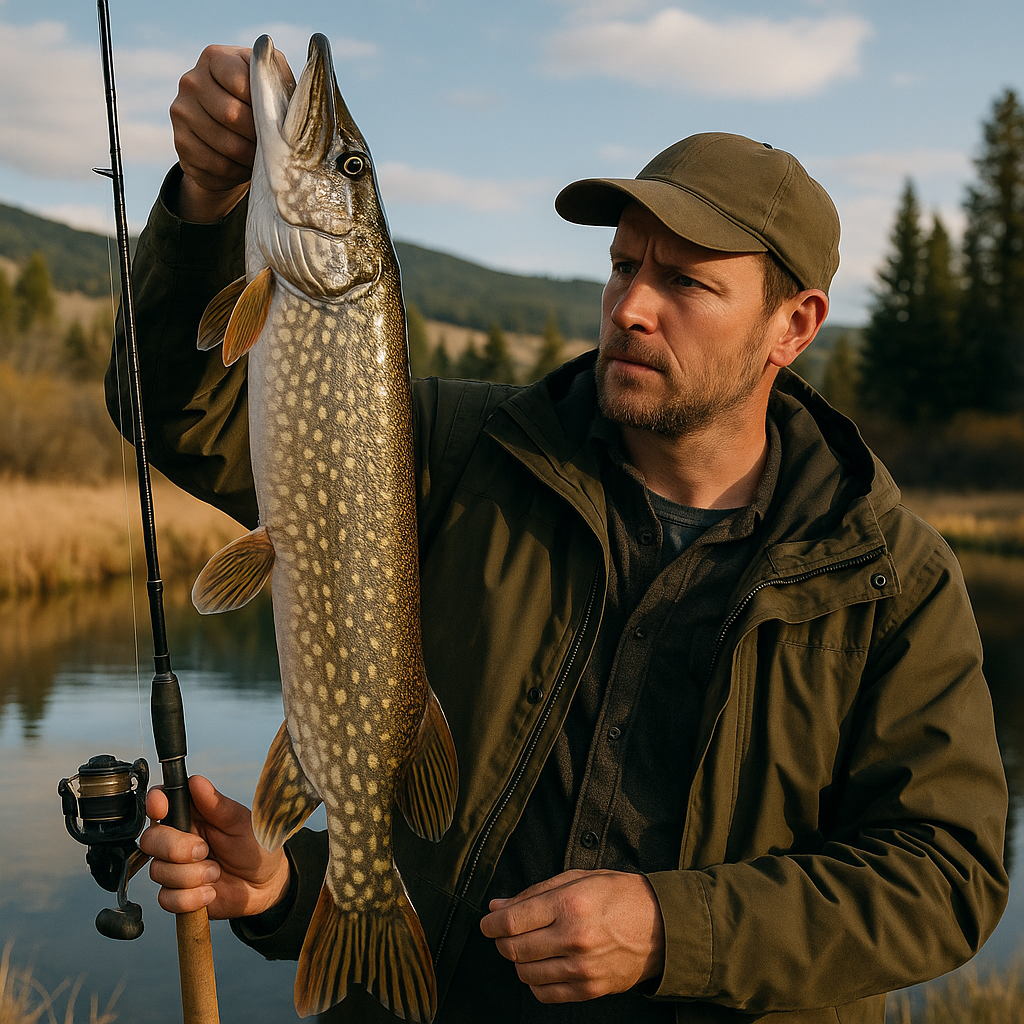
Getting the ID right matters. Northern pike have a long, torpedo-shaped body, a duckbill-like snout, and teeth that make quick work of smaller fish. Common field marks include:
- Light oval spots on a darker green body (pattern can vary).
- Dorsal fin set far back toward the tail.
- Large mouth with prominent teeth.
If you’re unsure, take multiple photos (both sides, head, and fins) and report it rather than guessing.
Regulations and responsible actions
Regulations can vary by waterbody and can change if FWP implements an emergency response. Before you fish, check the current rules for that specific pond or district. The most reliable place to verify is FWP’s regulations and updates: FWP fishing regulations.
General best practices that help prevent spread—regardless of the species—include:
- Don’t transport live fish from one water to another.
- Drain plugs and dry gear when moving between waters (boats, waders, livewells, buckets).
- Dispose of bait properly; never dump live bait into a waterbody.
- Clean and inspect boats, trailers, and nets to reduce the risk of moving aquatic invasive species.
What this means for Montana
Montana’s outdoor economy and rural way of life depend on healthy water—whether that’s a rancher’s stock pond, a community fishing hole, or a trout creek that draws visitors all summer. A predatory fish showing up in an unexpected pond isn’t automatically a disaster, but it is a signal that management may be needed to prevent a small issue from becoming a regional one.
For anglers, it’s a reminder that the best fishing in Montana is built on stewardship as much as opportunity. For landowners and irrigators, it underscores how connected our waters can be—sometimes in ways that aren’t obvious until a new species appears. And for communities, it’s a chance to help biologists respond quickly while the situation may still be manageable.
If you’re in the Pine Grove area, keep your eyes open, follow the rules, and pass along credible information. Early reporting is often the difference between a contained problem and a long-term fight.
What to watch for next
Depending on what FWP finds, the next steps could include additional sampling, public updates, and possibly management actions aimed at removal or containment. Those decisions typically depend on whether pike are reproducing, how many are present, and whether there’s a pathway to other waters.
If you care about the fishing—and the work that goes into keeping it good—stay tuned to regional FWP announcements and local conservation groups for updates.
Inspiration: “montana” – Google News (link)