Reports indicate Montana Fish, Wildlife & Parks (FWP) is investigating an apparent illegal introduction of northern pike into a small pond in the Kalispell area. While the details are still developing, the situation is a familiar—and frustrating—story across the West: when unauthorized fish show up where they don’t belong, the ripple effects can reach far beyond a neighborhood pond.
Quick takeaways
- FWP is reportedly investigating an unauthorized northern pike introduction at a Kalispell-area pond.
- Illegal fish stocking is a crime in Montana and can trigger costly management actions.
- Pike can spread via connected waterways, high water events, or human movement (intentional or accidental).
- Anglers can help by reporting suspicious activity and preventing transport of live fish, eggs, or water.
What’s being reported in the Kalispell area
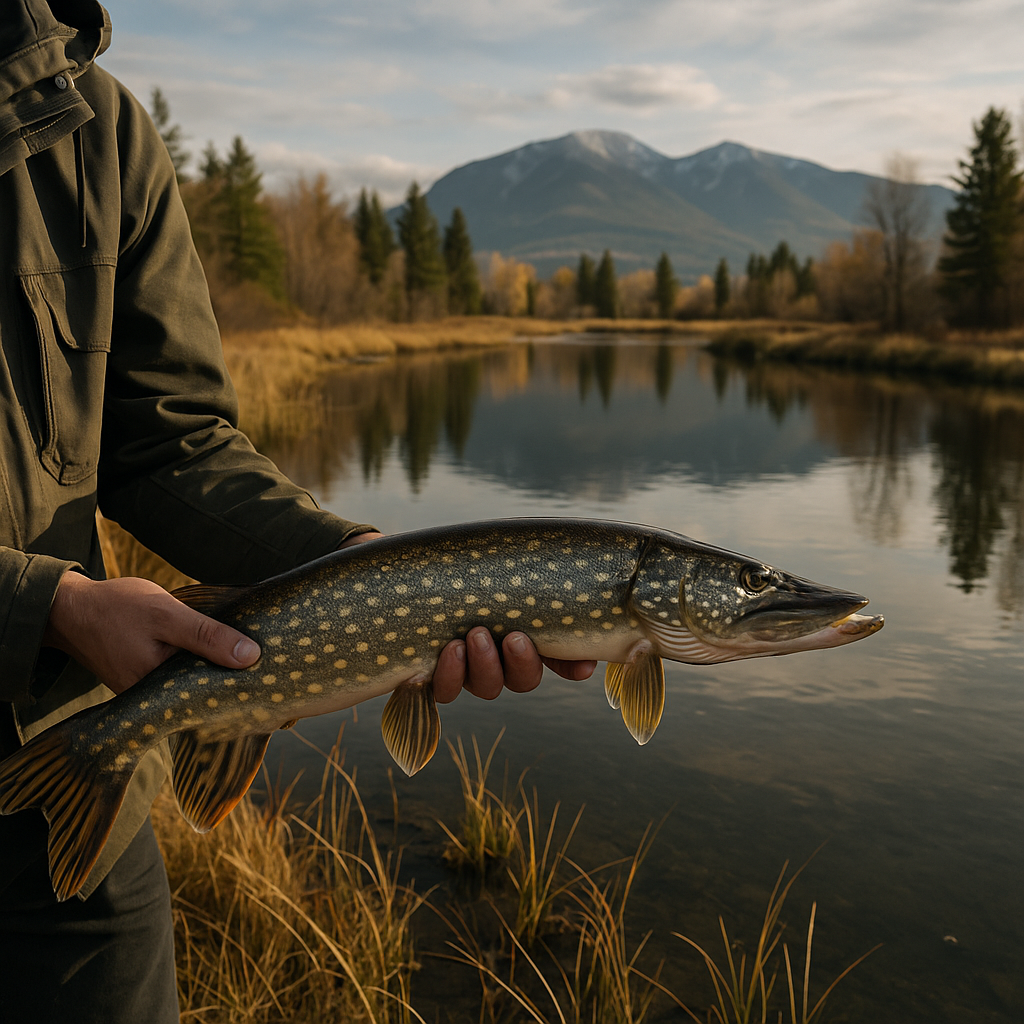
According to coverage circulating in Montana news, FWP is looking into reports of northern pike being placed illegally into Pine Grove Pond in Kalispell. If confirmed, it would represent an intentional introduction rather than a natural expansion—an important distinction because unauthorized stocking can undermine years of fisheries planning and habitat work.
FWP typically treats these investigations seriously because once a predatory species like pike becomes established, removal can be difficult, expensive, and sometimes impossible without major intervention. At this stage, the public information suggests an investigation is underway; FWP has not publicly finalized findings in the reporting referenced here.
Why an illegal pike introduction matters
Northern pike are popular with some anglers for their size and aggression, but they can also be hard on native and stocked fish communities—especially in smaller waters. In many Montana systems, pike prey on trout and other sport fish, and can alter the balance of a pond or lake quickly.
Even if a pond seems isolated, fish don’t always stay put:
- Overflow and flooding: High water can connect ditches, wetlands, and creeks that are normally separate.
- Human movement: Transporting live fish, bait, or even water between waterbodies can move young fish or eggs.
- Unintended connections: Storm drains, irrigation infrastructure, and seasonal channels can provide pathways.
For Montana anglers, the concern isn’t just one pond. It’s the possibility of a stepping-stone population that could reach other waters in the Flathead Valley.
The legal side: Montana’s rules on fish introductions
Montana law prohibits moving or releasing live fish into public waters without authorization. That includes “bucket biology”—the well-known practice of someone stocking a favorite species where they want it, regardless of the consequences.
Even when intentions are framed as “improving” a fishery, unauthorized introductions can:
- Threaten native species and established management goals
- Force emergency responses, including netting, chemical treatments, or closures
- Shift angling opportunity away from trout or panfish toward predator-dominated systems
- Create long-term costs for the public
If you’re looking for the most current regulations and contact information, start with the official FWP site: https://fwp.mt.gov.
What FWP investigations often look like
FWP doesn’t always share every detail during an active investigation, but fisheries staff commonly use a combination of on-the-water sampling and interviews to understand what happened. That can include:
- Sampling: Gill nets, trap nets, electrofishing, or angler reports to confirm species presence and abundance.
- Timeline building: Determining when fish first appeared and whether there are multiple year classes.
- Pathway assessment: Evaluating whether fish could have arrived through connected water or were likely carried in.
- Enforcement follow-up: If evidence points to illegal stocking, wardens may pursue leads and potential charges.
In small waters, early detection can matter. A handful of fish is a very different management problem than a reproducing population.
If you fish the Flathead Valley: practical steps right now
Anglers and landowners are often the first to notice something off—an unfamiliar fish, a sudden drop in catch rates for trout, or a rumor that someone “stocked” a pond. Here are practical, legal steps that help, without making the situation worse:
- Don’t move live fish. Not from ponds, not from private water, not from anywhere.
- Drain and dry. Empty livewells, buckets, and bilges away from the water, and let gear dry when possible.
- Take clear photos. If you catch a fish you suspect is a pike (or another unexpected species), photograph it from the side and note the location.
- Report, don’t post first. Social media can spread rumors fast. Reporting to FWP helps staff respond with verified information.
If you’re unsure who to contact, FWP’s regional offices and enforcement contacts are listed on their website. In many cases, the local warden is the right starting point.
What this means for Montana
Montana’s fisheries are a patchwork of native waters, carefully managed reservoirs, and community ponds that introduce kids to fishing. When a top predator like northern pike is introduced illegally, it can put pressure on that entire system—especially where trout management or native fish conservation is the goal.
For hunters, anglers, farmers, and ranchers, the broader point is about stewardship and shared resources. Many irrigation networks, sloughs, and floodplain areas connect in ways that aren’t obvious from a map. A fish dumped in one spot can end up affecting a downstream neighbor’s water, a local kids’ pond, or a destination fishery that supports guides and small businesses.
It also highlights a hard truth: once an invasive fish becomes established, the public often pays the bill—through management costs, lost opportunity, and potential restrictions. That’s why state agencies push so hard on prevention and rapid response.
Common questions anglers ask about pike
Are northern pike always “bad” in Montana?
It depends on the waterbody and the management objectives. Some systems are managed with pike present, while others prioritize trout or native fish where pike predation can be a serious problem.
Can pike reproduce in small ponds?
Often, yes—if there’s suitable shallow, vegetated habitat for spawning. Even a small number of fish can establish if conditions are right.
What if I catch one somewhere unexpected?
Follow current regulations for that water, and consider reporting the catch location to FWP—especially if the species is not known to be present there.
Staying informed
Because this situation is reportedly under investigation, the most reliable updates will come from FWP statements or follow-up reporting citing agency confirmation. If you fish community ponds or waters connected to the Flathead system, it’s worth keeping an eye on local notices, regulation updates, and any posted advisories at access sites.
Inspiration: “montana fishing” – Google News (link)