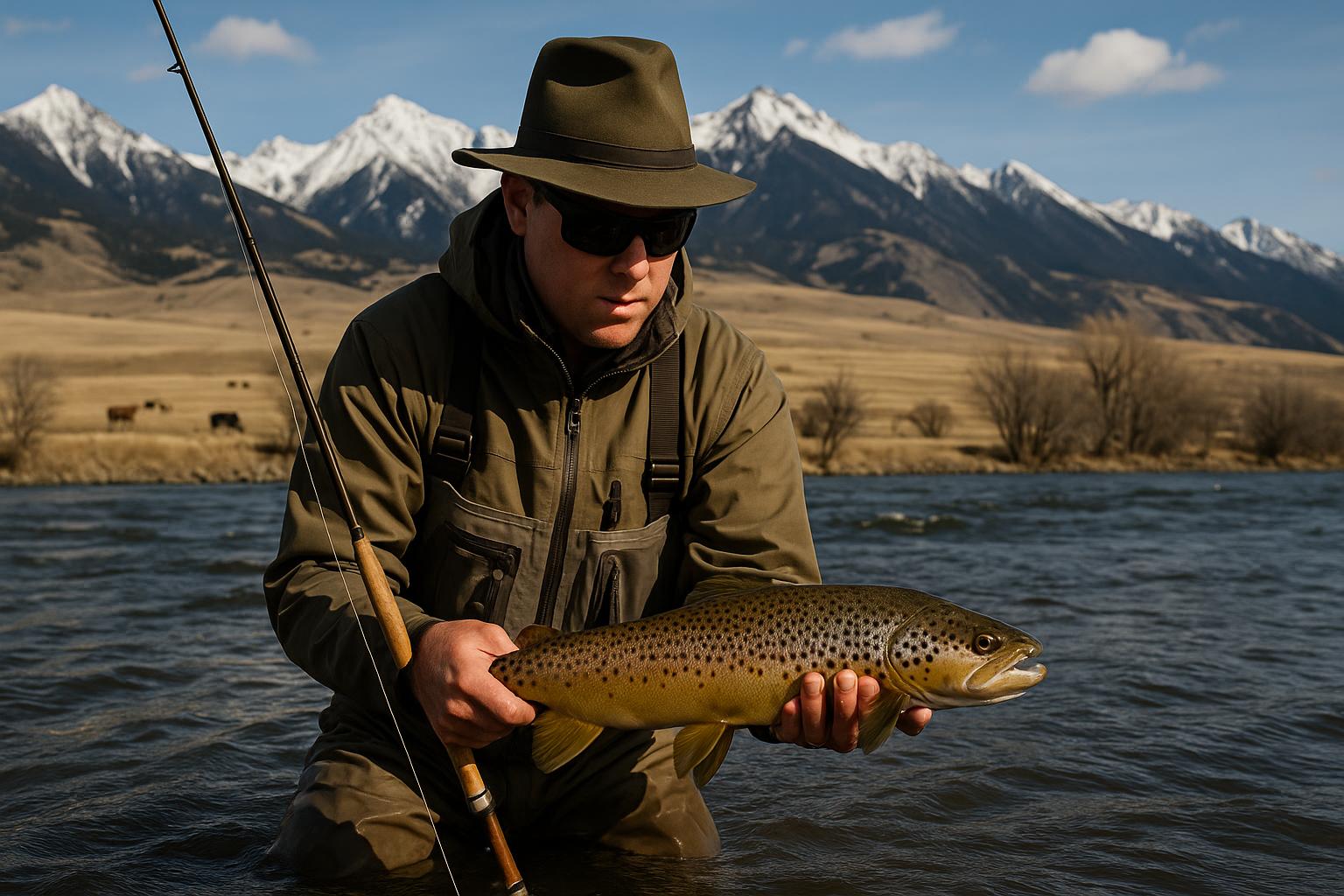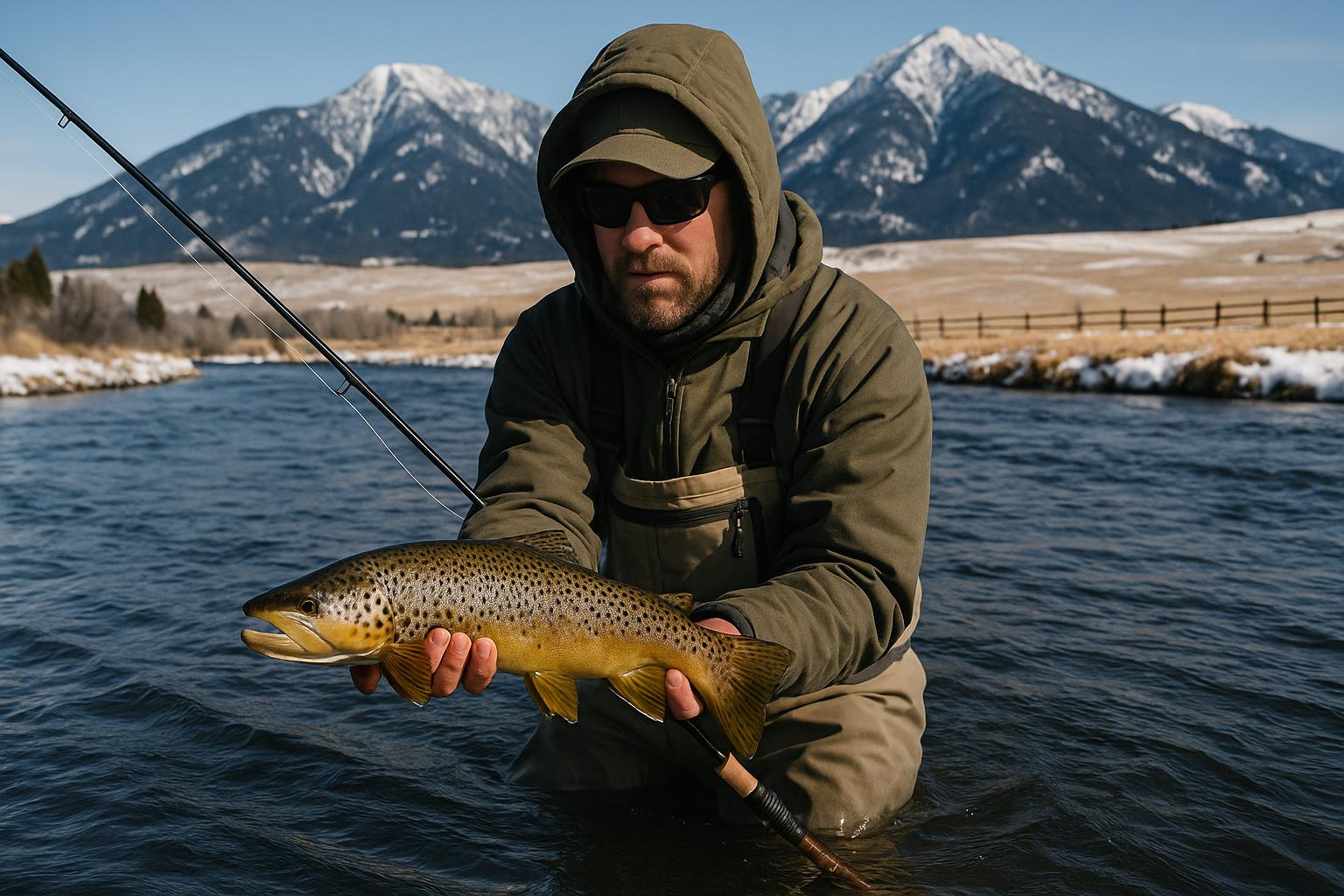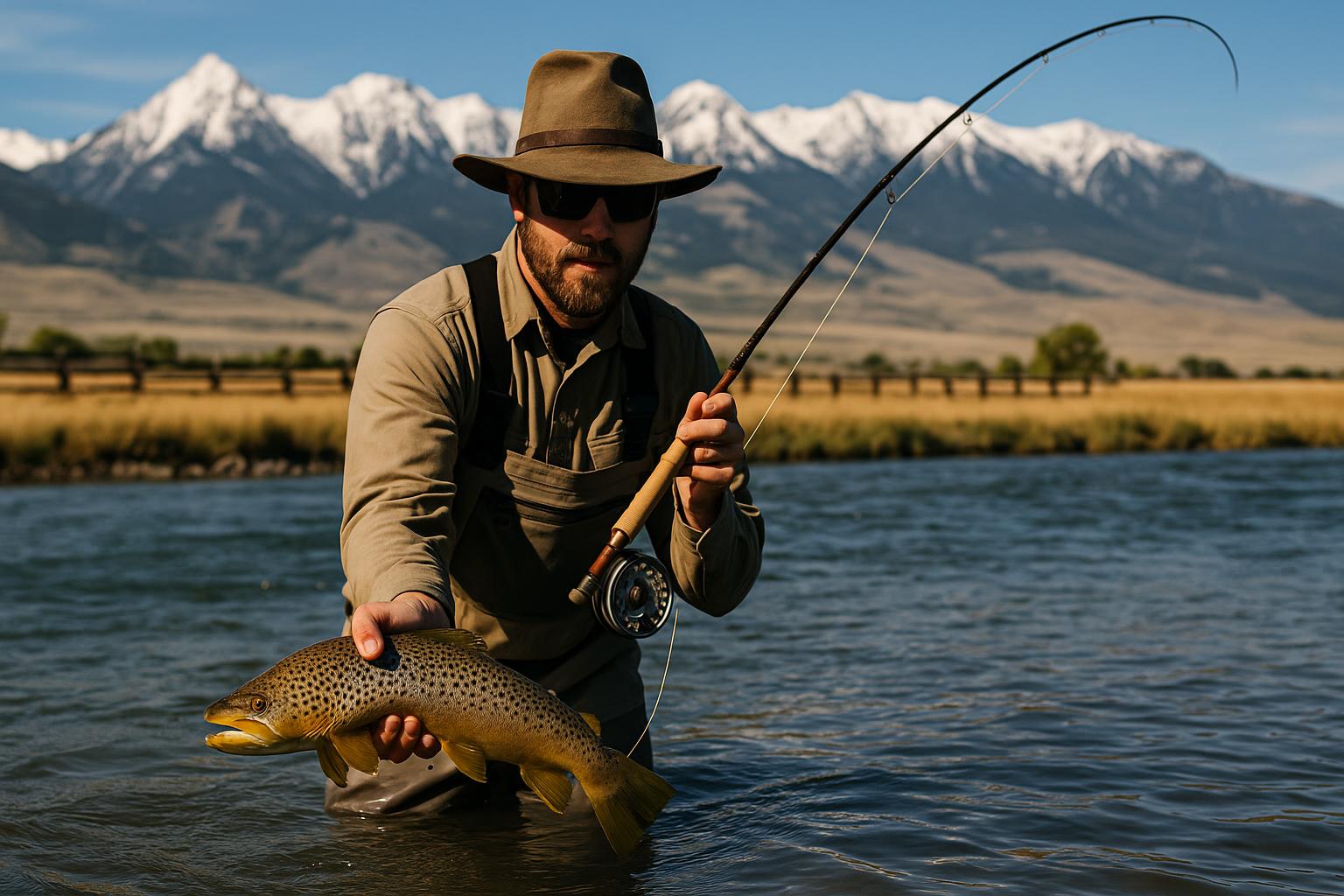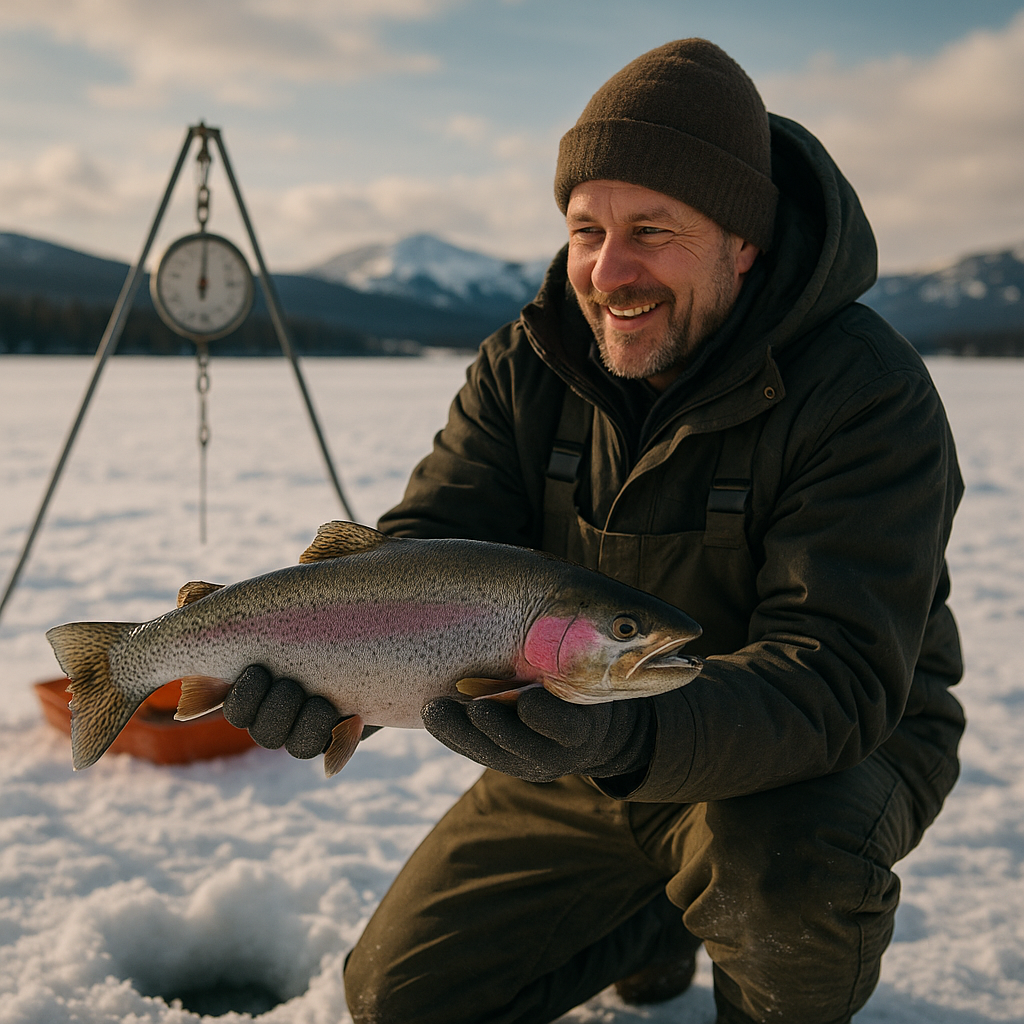
Some days on the ice, you don’t need a limit to feel like you won. One thick, clean fish—measured, photographed, and admired for a minute—can be the whole story. Reports indicate Georgetown Lake is leaning into that idea with a local big-fish contest tied to The Lakehouse, giving anglers another reason to keep a tape measure handy and fish through the slow hours.
Quick takeaways
- A Georgetown Lake big-fish contest is giving anglers a chance at prizes for standout catches.
- Plan for changing ice conditions: check thickness, avoid pressure ridges, and carry safety gear.
- Big-fish rules usually hinge on accurate measurement/weighing and clear photos—read the entry details before you fish.
- Georgetown can fish well for trout, but success often comes from mobility, fresh holes, and dialing in depth.
A winter side quest at a familiar Montana lake
Georgetown Lake sits up near the Continental Divide between Anaconda and Philipsburg, a quick run from I-90 and a classic winter destination for Southwest Montana anglers. When conditions line up, it’s the kind of place where you can set up a warm shack, run a couple lines, and still have time to swap stories with the next group over.
According to information shared by Montana Outdoor, The Lakehouse at Georgetown Lake is promoting a contest built around notable fish—essentially, a “bring your best” challenge with prizes. The details can matter (dates, eligible species, how to enter, how fish are verified), so treat any social-media chatter as a starting point and confirm the current rules directly with the organizer.
If you’re the kind of angler who likes a little extra motivation—something between a casual weekend and a full-on derby—this sort of contest can be a fun middle ground: fish when you want, chase a bigger bite, and maybe walk away with a little something besides fillets.
How these contests typically work (and what to verify)
Local big-fish competitions vary, but most follow a few common patterns. Before you drill your first hole, it’s worth checking the fine print so your catch actually counts.
- Entry method: Some contests require pre-registration; others allow same-day sign-up at a business location.
- Species categories: It may be “largest trout,” “largest fish,” or separate categories by species.
- Measurement/verification: Many require an official weigh-in, a photo with a measuring device, or both.
- Timing: Start/end dates and daily cutoff times can affect whether a fish is eligible.
- Harvest vs. release: Some contests require bringing fish in; others allow catch-and-release with photo proof. Always follow Montana regulations.
For the most accurate information, check the original report and then confirm with the organizer. If you need a starting point, the Montana Fish, Wildlife & Parks site is also a good place to review general rules and seasonal updates: fwp.mt.gov.
Fishing Georgetown Lake in winter: simple tactics that still work
Georgetown can be generous, but it’s not a vending machine. The anglers who consistently connect tend to do a few basics well—especially when the bite turns finicky.
1) Keep your depth honest. Even small changes in depth can matter. Start by checking multiple holes across a contour rather than camping on the first “nice-looking” spot. If you’re marking fish but not getting bites, adjust your presentation before you move—then move if nothing changes.
2) Rotate baits and cadence. A small jig tipped with bait can outfish a larger flashy spoon on some days, and vice versa. If you’re fishing two lines where legal, run one “search” setup (spoon or swimming lure) and one “meal” setup (smaller jig and bait).
3) Don’t ignore the last hour. On many Montana lakes, the final stretch of daylight can be prime time for bigger, more committed fish. If you’re chasing a contest fish, plan your day so you’re settled and quiet during that window.
4) Handle big fish like they’re rare—because they are. If the contest allows release-based entries, keep fish in the water as much as possible, wet your hands, and get a quick, clear photo. Big trout are valuable breeders and a big part of what makes a lake fishery special.
Ice safety comes first—especially in a winter like this
Any time a lake sees a lot of traffic, it’s easy to assume the ice is “good everywhere.” That’s how folks end up wet. Conditions can vary by bay, inlet, pressure ridge, or even where snow drifts insulate the surface.
Use a cautious approach:
- Check thickness as you go with a spud bar or auger.
- Carry ice picks where you can reach them quickly.
- Wear a flotation layer if you’re walking long distances or fishing alone.
- Watch for pressure ridges and areas of slush that can signal weak spots.
- Tell someone your plan—where you’ll park and when you expect to be back.
Also, keep an eye on weather swings. Warm afternoons, wind events, and heavy snow can all change ice quality fast. If you want a Montana-specific forecast before you go, the National Weather Service is a reliable starting point: weather.gov.
Make the most of a contest weekend: logistics that matter
Even a “friendly” contest can turn into a long day if you don’t think through the basics.
- Bring a real measuring tool. A rigid bump board is ideal; a cloth tape works if you keep it straight and readable.
- Charge your phone and pack a backup battery. If photo verification is required, a dead phone is a bad surprise.
- Know where the weigh-in happens. If fish must be weighed at a specific location, plan your travel time—especially at dusk.
- Keep fish in good condition. If you’re harvesting, store fish cold and clean; if you’re releasing, minimize air exposure.
- Read the rules twice. Most disqualifications come from simple stuff: missing timestamps, unclear photos, or fishing outside contest hours.
What this means for Montana
Events like this—whether they’re formal derbies or low-key big-fish challenges—tend to do a few things for Montana communities:
- They put winter dollars in small towns. Fuel, groceries, tackle, meals, and lodging add up, especially in places that rely on shoulder-season traffic.
- They introduce new anglers to local waters. A contest can be the nudge that gets a family out for their first ice day or a ranch hand to try fishing after chores.
- They can shape fishing pressure. More attention often means more anglers. That’s not automatically bad, but it raises the importance of etiquette, safe spacing, and responsible harvest.
- They spotlight the value of healthy fisheries. A “big fish” prize only exists if the lake can grow big fish—something that depends on habitat, management, and anglers doing their part.
If you go, treat it like you’d want others to treat your home water: pack out trash, keep noise reasonable, and give other groups room to work.
Before you head out: confirm details and regs
Because contest specifics can change—dates, categories, verification methods—check the organizer’s current info before you plan a trip. And always make sure you’re fishing within Montana’s regulations for the water you’re on, including line limits and species rules. For general regulation resources and updates, start here: Montana FWP Fish.
Then do what Montana anglers do best: drill a few extra holes, share a little space, and stay out long enough that the heater runs low and the sunset turns the ice pink.
Inspiration: Montana Outdoor (link)