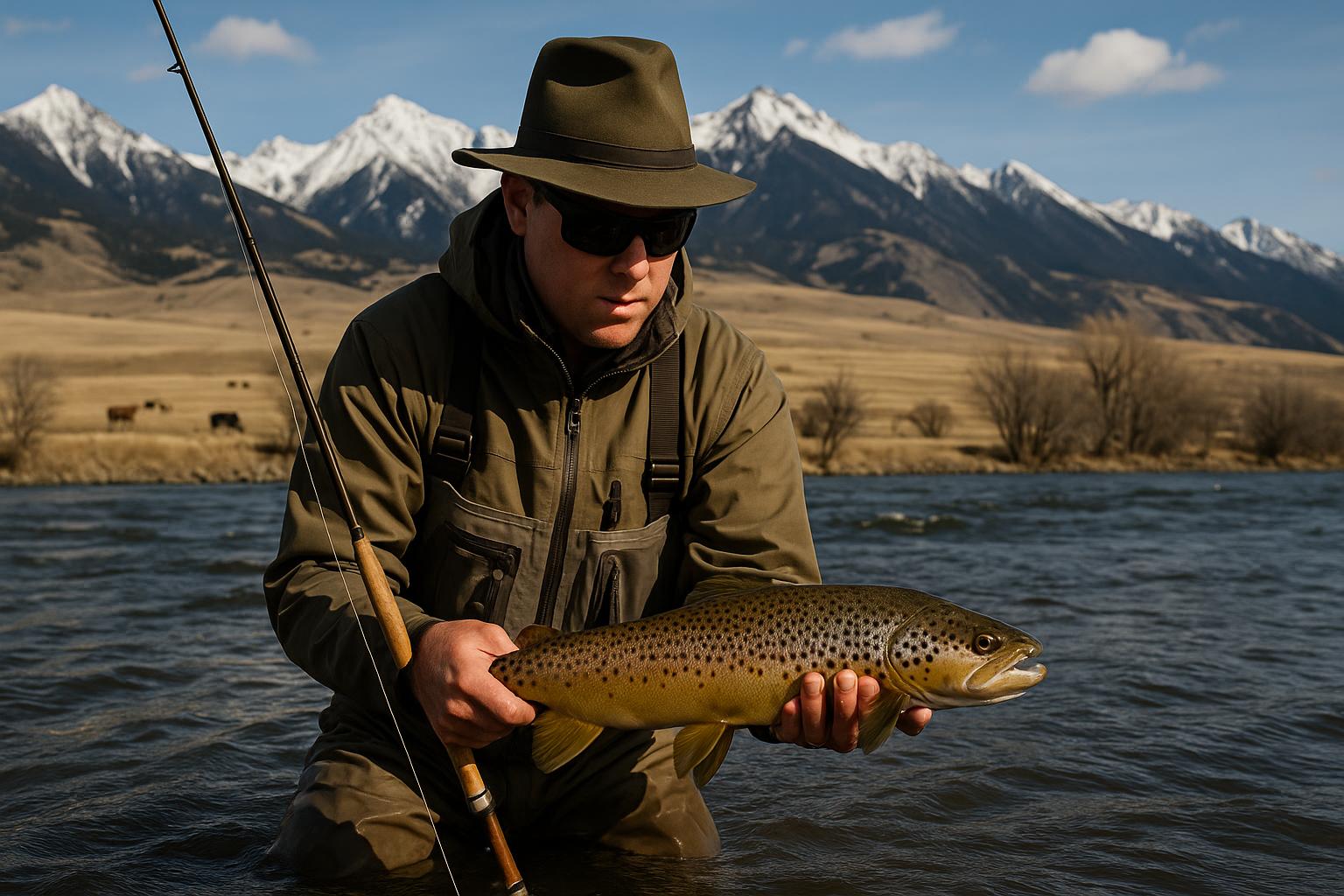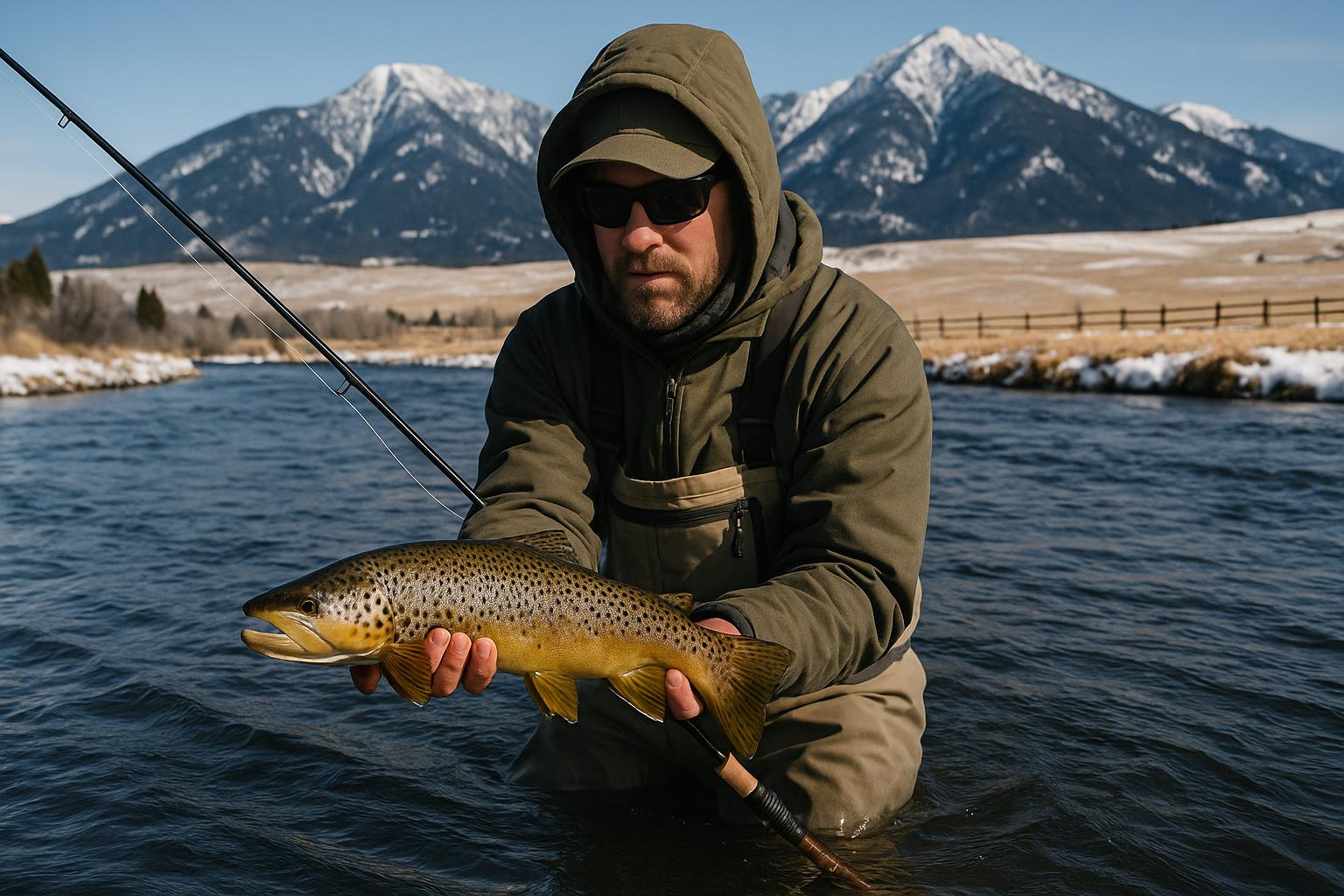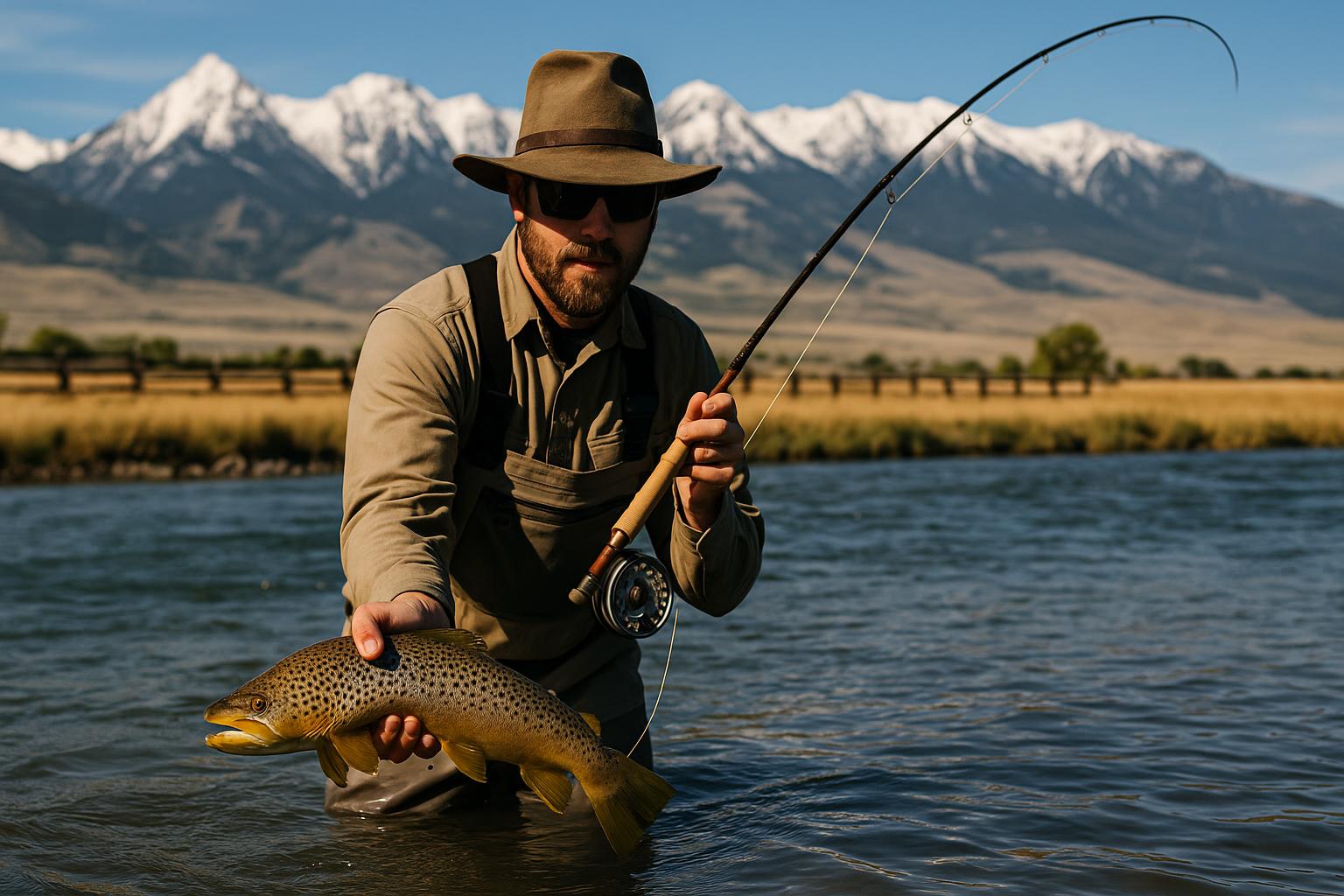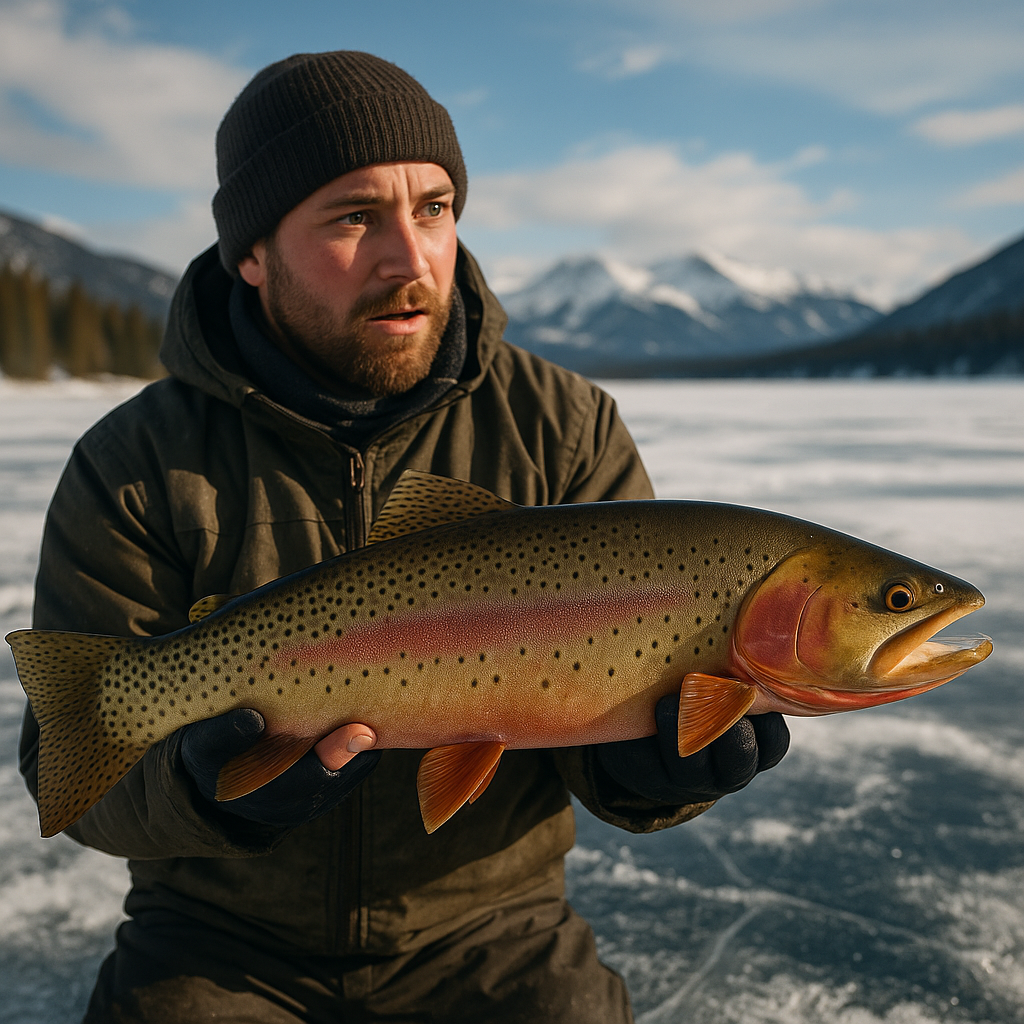
A Yellowstone cutthroat trout is the kind of fish many Rocky Mountain anglers daydream about: native, wary, and tied to the headwaters culture of the Greater Yellowstone region. That’s why reports of a new Idaho state record Yellowstone cutthroat—pulled from under the ice—have been making the rounds among anglers on both sides of the border.
Even if you’ve never chased records, a fish like that has a way of resetting expectations. It also sparks the more practical conversations Montana anglers tend to have this time of year: ice safety, handling fish in subzero temps, and what “trophy” really means when you’re talking about native trout populations that have had a rough century.
Quick takeaways
- Reports indicate an Idaho angler iced a Yellowstone cutthroat large enough to set a new state record.
- Big cutthroat can come from cold water and short feeding windows—winter doesn’t automatically mean “small fish.”
- Record chatter often boosts interest in native trout, but it can also increase pressure on a handful of waters.
- Montana anglers should double-check FWP regulations before targeting cutthroat through the ice, especially on waters with special rules.
- How you handle a trout in freezing weather can matter as much as how you hook it.
Why a Yellowstone cutthroat is a big deal—any season
Yellowstone cutthroat trout are one of the West’s iconic native fish, and they carry a reputation that’s equal parts romance and reality. In the right water, they can grow thick-bodied and heavy—built for short summers, long winters, and a diet that might include everything from aquatic insects to small fish.
But they’re also a reminder of how complicated “native” can be in the modern West. Across the region, cutthroat have faced pressure from habitat changes, drought and warming water, competition with non-native trout, and hybridization with rainbow trout. The result is that truly strong, self-sustaining populations are often localized—and worth protecting.
So when a fish shows up that’s big enough to flirt with or surpass a state record, it’s not just about the weight on a scale. It’s proof that somewhere, conditions lined up: forage, water quality, genetics, and enough years for a fish to get old.
Ice fishing for trout: opportunity with a few extra responsibilities
Montanans know ice season can be a gift—especially when river options are limited by shelf ice, slush, or access. But ice fishing for trout, particularly native trout, comes with some added considerations.
If you’re chasing trout through the ice, keep these in mind:
- Ice safety comes first. Early and late ice can change by the hour with wind, current, and temperature swings. Spud bars, throw ropes, and fishing with a buddy aren’t overkill.
- Know the rules on that specific water. Many Montana waters have special regulations, seasonal closures, or tackle restrictions. Always check the current Montana fishing regs and any posted signage.
- Handle fish like it’s 10 below. If you’re releasing a trout, keep it in the water as much as possible. Gills and eyes can freeze quickly. Wet your hands, minimize air exposure, and consider skipping hero shots if the wind is biting.
- Use gear that reduces harm. Barbless hooks (or pinched barbs), appropriate line strength, and a plan for landing fish through the hole can all cut down on injury and exhaustion.
None of that is meant to take the fun out of it. It’s the opposite: good habits keep the fishery strong and keep the story from turning into a cautionary tale.
Records, rumors, and what to trust
Any time a “state record” headline hits, anglers want the details: weight, length, where it was caught, and what it ate. That’s normal. It’s also where things can get messy.
Until an agency or recognized record-keeping body confirms measurements and paperwork, it’s smart to treat early reports as just that—reports. Photos can be misleading, and weights can vary depending on scales and conditions. A responsible approach is to enjoy the news while waiting for official confirmation.
For anglers, the takeaway isn’t necessarily “go find that exact fishery.” It’s that big native trout still exist, and careful management plus good habitat can produce exceptional fish.
Why big cutthroat show up under ice
It’s easy to assume winter means slow fishing and small fish. In reality, a mature trout can be surprisingly efficient under the ice. In some lakes and reservoirs, forage fish concentrate, and trout cruise edges, drop-offs, and transition zones looking for an easy meal.
Ice anglers who consistently contact larger trout often do a few things well:
- They move. Hole-hopping and checking different depths beats camping on a single spot all day.
- They fish the right windows. Low light periods—morning and evening—can be prime.
- They match the forage. In waters with baitfish, larger profiles and subtle action can outproduce tiny offerings.
- They stay quiet. Heavy stomping, dragging sleds, and loud augers can push fish off shallow flats.
That doesn’t guarantee a record fish, of course. But it explains how a “bucket list” species can surprise someone in the dead of winter.
What this means for Montana
Montana doesn’t need another reason for anglers to love cutthroat trout, but record news from next door tends to ripple across the region. Here’s what it could mean on the ground:
- More interest in native trout waters. When big fish make headlines, more people start researching where Yellowstone cutthroat live and how to target them. That can be good for education and conservation—so long as pressure doesn’t overwhelm sensitive waters.
- A renewed focus on habitat and genetics. Trophy-size native fish are often tied to intact habitat and healthy populations. In Montana, that points back to stream connectivity, riparian health, and preventing hybridization where it’s a concern.
- More conversations about ethics in winter. Ice fishing adds stressors: cold air, long fights through a hole, and handling issues. Montana anglers can lead by example with careful release practices and selective harvest where regulations allow.
- Regulations matter more than ever. If more people target cutthroat, compliance becomes a bigger deal—especially on waters with special rules. If you’re planning a trip, start with the latest FWP regs and consider calling the local FWP office if you have questions.
Montana’s cutthroat story varies by drainage—some places are strongholds, others are restoration projects, and many are somewhere in between. The best outcome of any record headline is that it nudges more anglers toward stewardship: packing out trash, respecting closures, and supporting projects that keep native fish native.
If you’re chasing your own “once-in-a-lifetime” cutthroat
Not everyone cares about records, but most anglers care about memorable fish. If a big Yellowstone cutthroat is on your list, consider a few practical steps:
- Do your homework on the waterbody. Some lakes are managed specifically for native trout, while others are mixed fisheries. Understand what you’re fishing for—and what you might catch instead.
- Carry the right landing and release tools. A rubberized net, hemostats, and a clear plan for getting a fish through the hole help keep things calm and quick.
- Take photos fast—or not at all. In freezing temps, a quick measurement and one photo can be plenty. If the fish is meant to swim away, treat air time like a limited resource.
- Respect crowds and keep locations in perspective. If you stumble into a special bite, you don’t have to broadcast it. Some fisheries can’t absorb a sudden surge of pressure.
In the end, a record fish is a headline. A healthy cutthroat population is the real prize—something Montana anglers, landowners, and managers have been working toward for decades.
Inspiration: Montana Outdoor