Reports indicate the Gates of the Mountains area near Helena is opening for fishing access today, with an early-morning start. If you’re planning to slip out for a few hours on the Missouri River corridor, it’s worth treating this like a shoulder-season trip: services can be limited, conditions can change quickly, and a little preparation can save you a turnaround at the gate.
Quick takeaways
- Bring exact payment if there’s a fee to enter—seasonal staffing and closed facilities may limit change-making.
- Expect reduced services (restrooms, water, and other amenities may be closed or limited).
- Plan for winter-to-spring conditions: slick roads, icy ramps, and cold water are still in play.
- Check for day-of updates tied to weather and access conditions before you leave cell service.
What’s opening—and what might still be closed
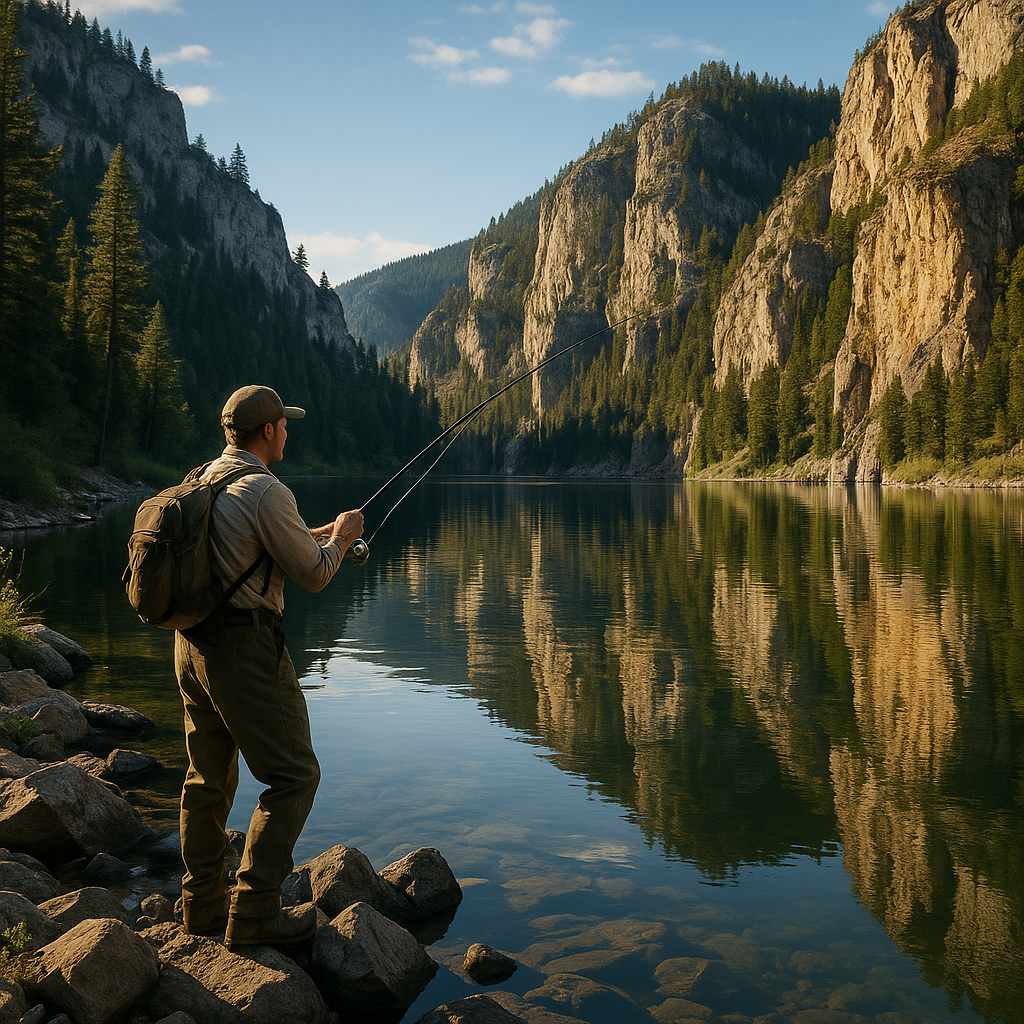
The Gates of the Mountains is a well-known stretch of the Missouri River north of Helena, popular with anglers, boaters, and folks who just want to see those limestone walls that define the canyon. Early-season openings can look different than mid-summer operations.
Reports indicate fishing access is available starting this morning, but visitors should be ready for a “bring what you need” trip. In practical terms, that can mean:
- Limited or closed facilities (restrooms, trash service, potable water, or visitor services may not be operating).
- No guarantee of staffed entry, which is why exact change matters if a fee is collected.
- Variable parking and ramp conditions, depending on ice, snowpack melt, and overnight temps.
Before you head out, it’s smart to confirm current conditions through official sources when possible. Start with the Montana Fish, Wildlife & Parks site for statewide fishing resources and regulations, and check any local managing entity’s updates if posted.
Exact change: why it matters this time of year
Montanans are used to seasonal transitions—one week you’re chipping ice, the next you’re dodging mud. Recreation sites follow a similar rhythm. When staffing is light or facilities are still winterized, you may not have the usual options for paying entry fees or getting questions answered on site.
If reports about exact change requirements are accurate, the safest approach is to bring small bills and coins and assume you won’t be able to break a $20. If you’re traveling with a partner, it also helps to have a backup plan: another access site, or a different stretch of water, in case the gate is closed due to weather or maintenance.
Safety and access tips for early-season Missouri River trips
Even when the calendar says February, the Missouri can fish well—especially if you time it around stable weather. But cold water and mixed ice conditions raise the stakes. A few reminders that apply whether you’re bank fishing or launching a boat:
- Cold-water safety: Wear layers that still insulate when wet. If you’re wading, consider a wading belt and take extra care on algae-slick rocks and shelf ice.
- Boat ramps and shorelines: Ice can linger in shaded corners. A ramp that looks fine from the truck can be glassy at the waterline.
- Tell someone your plan: Cell coverage can be spotty in the canyon. Let a friend know where you’re parking and when you expect to be back.
- Pack out trash: If dumpsters aren’t available, everything you bring in needs to leave with you.
And if you’re bringing kids or newer anglers, consider a conservative approach: fish from stable banks, keep trips short, and focus on comfort. Cold hands end fishing days faster than slow bites.
Regulations: check before you cast
This stretch sits in a region where rules can vary by waterbody and season. If you’re fishing the Missouri River or its adjacent waters, verify current regulations—especially for:
- Open seasons and any special closures
- License requirements (resident vs. nonresident, conservation license, etc.)
- Method restrictions (bait, barbless hooks, etc., where applicable)
- Invasive species requirements for watercraft (clean/drain/dry expectations and any inspection guidance)
The most reliable starting point is the FWP fishing regulations page. If you’re trailering a boat, it’s also worth reviewing FWP’s aquatic invasive species guidance and making sure your gear is clean and dry before you launch anywhere.
What to bring (beyond rods and tackle)
Because shoulder-season openings can come with fewer on-site conveniences, a little extra gear makes the day smoother. Consider tossing these into the truck:
- Exact cash for entry/parking fees
- Traction (cleats or spikes) if you’ll be on icy banks or ramps
- Warm, waterproof gloves and a spare pair
- Thermos and high-calorie snacks (cold burns energy fast)
- Headlamp for early starts and short winter days
- Trash bag to pack out waste if bins are closed
If you’re floating, add a properly fitted life jacket for everyone on board. Cold water doesn’t give second chances.
Weather can change access fast
One of the biggest wildcards this time of year is weather. A mild morning can turn into wind, snow squalls, or freezing drizzle by afternoon—especially in canyon country where shade and exposure vary mile to mile.
Reports indicate weather-related updates may be posted as conditions change. If you’re planning a trip, check the forecast before you leave and again right before you turn off the highway. If you’re towing a boat, give yourself extra time and be realistic about road and ramp conditions.
What this means for Montana
Early access openings matter in Montana because they spread recreation pressure across the calendar—and across the map. When a well-known site like Gates of the Mountains becomes fishable again, it gives local anglers another option close to Helena, potentially easing crowding on a few of the usual winter standbys.
It also highlights a broader reality for outdoor users in our state: seasonal operations don’t always line up neatly with when people want to be outside. Whether you’re hunting late-season birds, calving on the ranch, or sneaking in a winter wade, you’re often operating in the margins—when services are limited and conditions are less forgiving.
For communities near popular access points, shoulder-season visitors can be a quiet boost for gas stations, diners, and tackle shops—so long as folks travel prepared, respect closures, and leave places cleaner than they found them.
Plan B ideas if conditions aren’t cooperating
If you arrive and find the gate closed, the ramp iced in, or the wind ripping through the canyon, it doesn’t have to be a wasted day. A few options:
- Bank fish a safer, more sheltered spot where footing is solid and access is straightforward.
- Scout access sites for later in spring—note parking, walk-in routes, and hazards.
- Stop at a local fly shop in Helena for up-to-the-minute water and weather chatter and to support the folks who keep anglers dialed in.
Bottom line
If reports are accurate, today’s opening is a good chance to get back on the water in one of Montana’s iconic river corridors. Just treat it like a winter trip: bring exact change, expect limited amenities, and keep an eye on weather and access updates. A little preparation now can turn a short February window into a solid day on the Missouri.
Inspiration: Montana Outdoor (link)