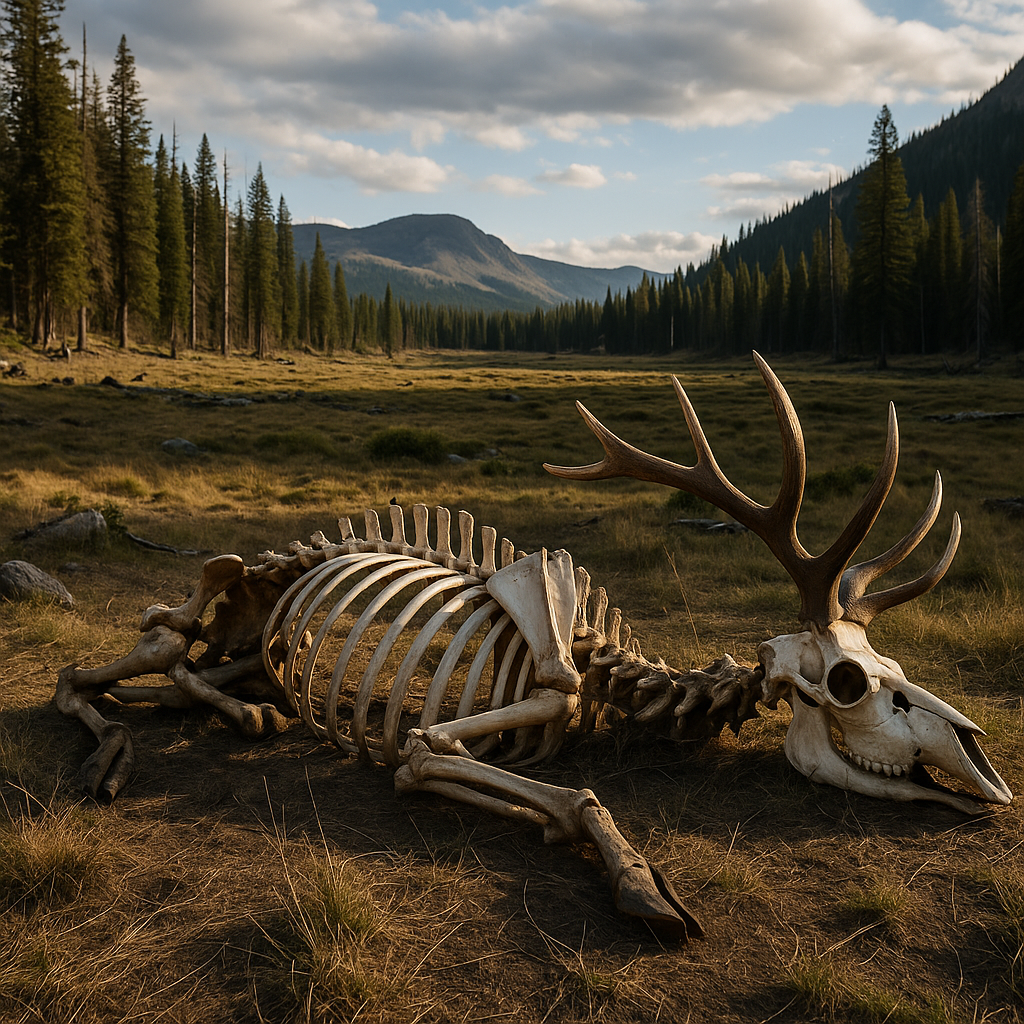
Yellowstone’s Hidden Animal Boneyard: What It Is
Quick Takeaways
- The “animal boneyard” is a natural site where carcasses of Yellowstone wildlife concentrate.
- Harsh winters, predation, disease, and natural aging contribute to animal mortality here.
- These remains play a critical role in nutrient recycling and support scavenger species.
- Understanding these processes offers insights for Montana hunters, ranchers, and wildlife managers.
- Access to the boneyard is limited due to its remote location and park regulations.
Why Does the Animal Boneyard Exist?
Reports indicate that this area serves as a convergence zone for animals that have succumbed to natural causes. Predators like wolves and bears, plus scavengers such as ravens and coyotes, frequent the site to feed on carcasses. The accumulation is largely driven by seasonal stresses — particularly brutal winters — that weaken elk, bison, and other species, making survival difficult.
Additionally, disease outbreaks and old age contribute to the mortality rate in this zone. The terrain’s seclusion and lack of human disturbance allow these processes to unfold naturally, without interference.
The Ecological Role of the Boneyard
While the term “boneyard” may sound grim, the site plays an important ecological function. The decomposition of animal remains returns vital nutrients to the soil, fueling plant growth and supporting the entire food web. Scavengers that rely on carrion benefit from this steady food source, maintaining ecosystem balance.
This natural recycling is crucial for maintaining the health of Yellowstone’s complex environment. It also indirectly affects Montana’s surrounding landscapes, where similar processes occur.
Implications for Montana Hunters, Ranchers, and Wildlife Enthusiasts
Understanding the natural mortality patterns in Yellowstone helps Montana’s hunting and ranching communities better appreciate population dynamics and health. Hunters can glean insights into animal conditions during harsh seasons, affecting harvest strategies and wildlife management.
Ranchers might draw lessons about disease transmission and predator-prey interactions from how Yellowstone’s wild herds respond to environmental pressures. For wildlife watchers and conservationists, it underscores the importance of respecting natural cycles and habitat preservation.
Access and Conservation Considerations
The animal boneyard is located in a remote part of Yellowstone National Park, where public access is heavily restricted. This limits human disturbance, allowing natural processes to proceed unimpeded. Visitors are encouraged to observe park rules and avoid approaching carcass sites to prevent disease spread and protect wildlife.
Park officials continue to monitor these areas to track wildlife health and ecosystem changes, but intervention remains minimal to preserve natural balance.
What This Means for Montana
Montana’s vast wilderness shares many characteristics with Yellowstone’s environment. The animal boneyard phenomenon serves as a stark reminder of nature’s unfiltered realities. For Montanans involved in hunting, ranching, or wildlife conservation, recognizing these natural mortality zones highlights the importance of sustainable wildlife management and habitat stewardship.
It reinforces the need to monitor herd health, prepare for seasonal challenges, and respect predator roles in ecosystem regulation. Ultimately, these insights contribute to maintaining Montana’s rich outdoor heritage and ecological resilience.
Inspiration: yellowstone national park – Google News