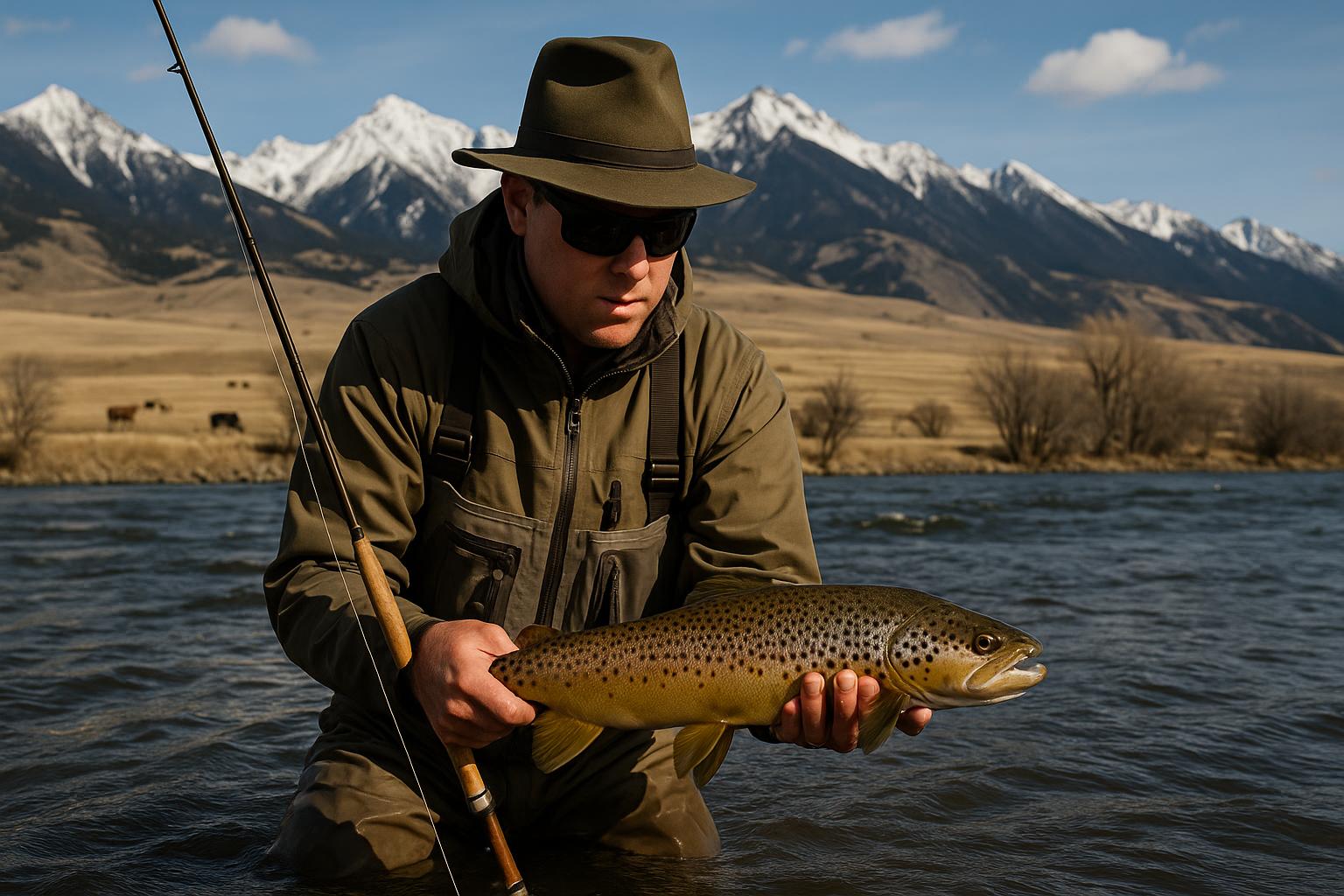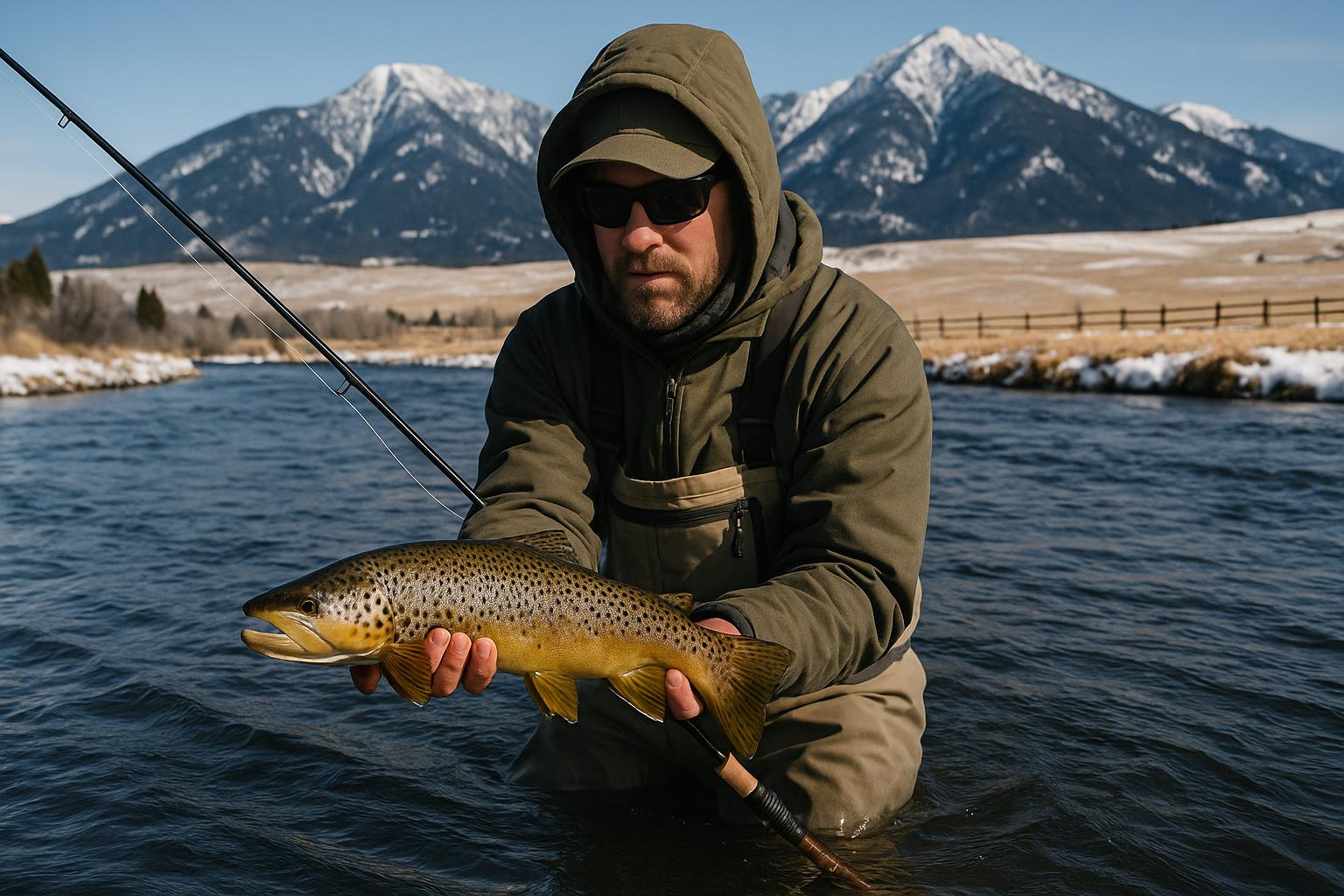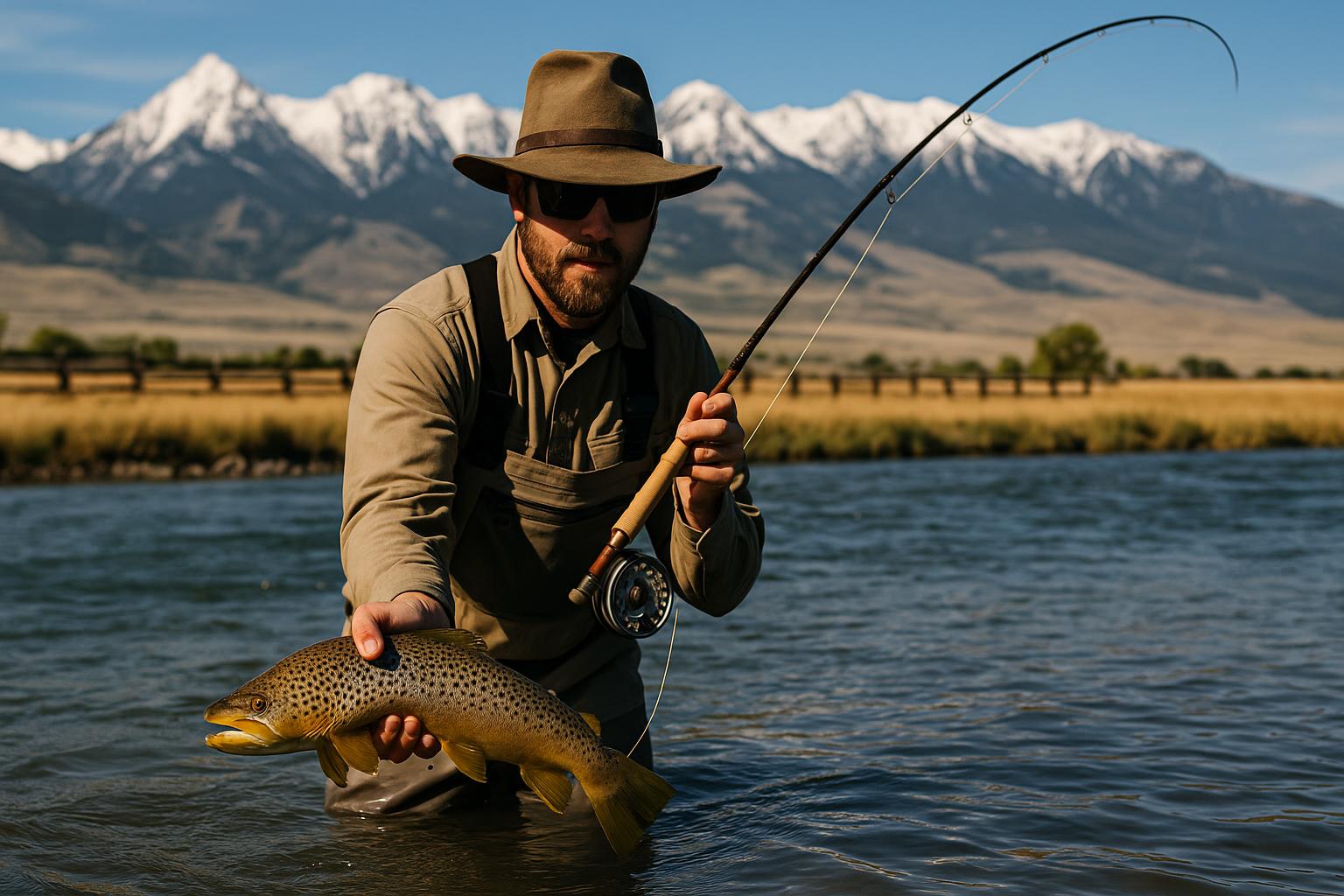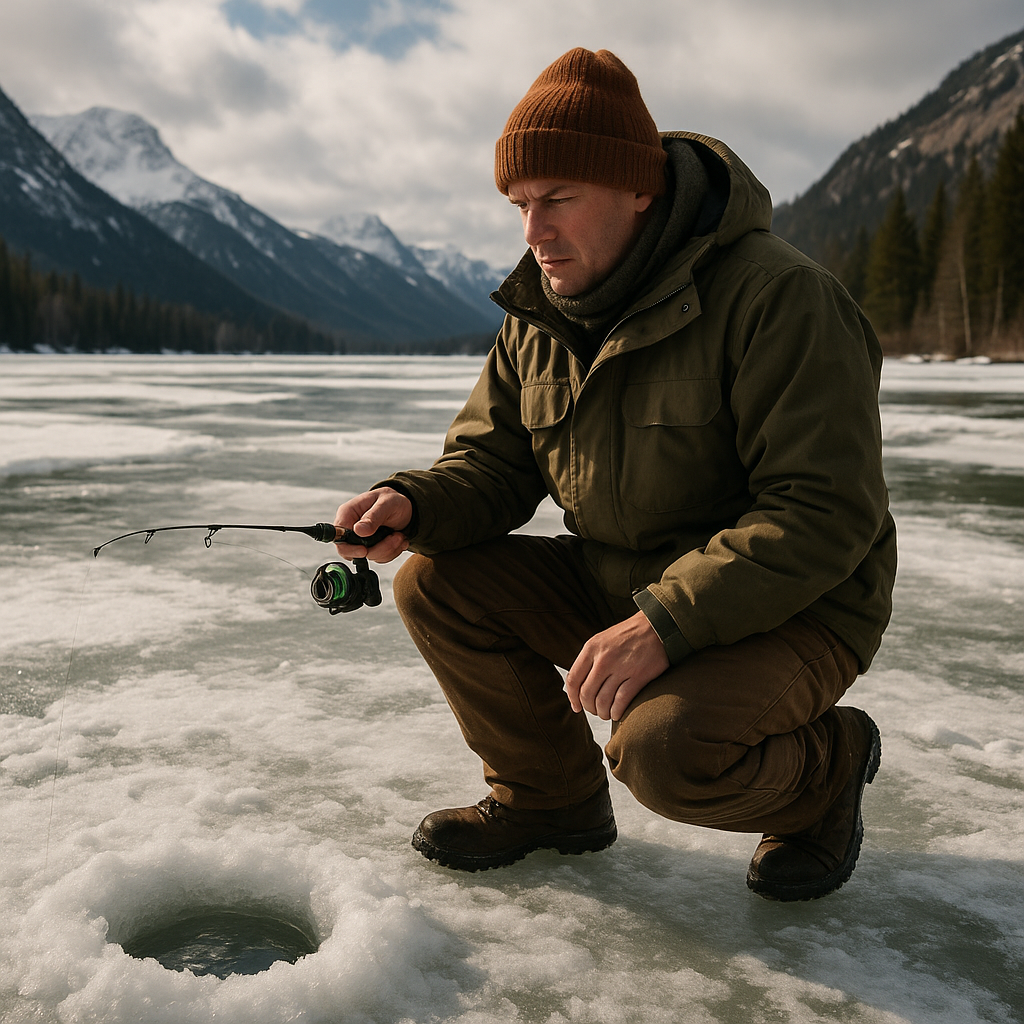
Winter Fishing Landscape in Montana
Early February in Montana continues to challenge anglers with unpredictable conditions. While colder temperatures generally promote ice formation, many bodies of water have inconsistent ice thickness and stability. This leads to limited ice fishing opportunities in several popular spots.
Quick Takeaways
- Ice fishing access remains spotty; verify ice safety before venturing out.
- Flowing rivers offer steady fishing but may have higher water levels due to snowmelt variations.
- Lake trout and whitefish are still active in deeper waters.
- Winter fishing gears up near thermal springs and tailwater areas.
- Always check local conditions and regulations before fishing.
Ice Conditions and Safety
Reports indicate that ice thickness across Montana varies widely this season. Some smaller lakes and ponds have developed safe ice, but many larger lakes show areas of thin ice or open water patches. Anglers should exercise caution and consult up-to-date ice reports from local authorities or fishing outfitters.
Remember that ice safety depends not only on thickness but also on recent weather patterns, currents beneath the ice, and snow cover. Carry safety gear and never fish alone on uncertain ice.
River Fishing Opportunities
Many Montana rivers remain accessible to anglers seeking winter trout. Although flows can fluctuate due to snowpack conditions and early melt events, several tailwaters below hydroelectric dams provide stable cold-water habitats that support active trout populations year-round.
Popular winter fishing destinations include the Missouri River below Holter Dam, the Madison River near Ennis, and the Yellowstone River stretches around Livingston. Anglers report success with nymph patterns and small streamers in these areas.
Lake Fishing Insights
Deeper lakes such as Flathead Lake, Fort Peck Reservoir, and Canyon Ferry support winter-active species like lake trout and whitefish. Anglers targeting these species typically fish deeper waters using vertical jigging techniques or downriggers.
Thermal springs and spring-fed lakes often provide year-round fishing opportunities as water temperatures remain relatively stable. These areas can be good options when traditional ice fishing is limited.
Tips for February Anglers
- Dress in layers and prepare for variable weather conditions.
- Use electronics like fish finders to locate active fish in deeper water.
- Focus on subtle presentations like small nymphs or soft-bodied lures.
- Stay informed on daily water and ice conditions through local fishing shops or online resources.
- Respect all fishing regulations, including seasonal closures and catch limits.
What This Means for Montana
Montana’s early winter fishing conditions highlight the need for adaptability among anglers. With inconsistent ice coverage and fluctuating river flows, success requires careful planning and safety awareness. The state’s diverse aquatic habitats, from tailwaters to deep reservoirs, continue to support winter fishing opportunities despite challenging conditions.
Maintaining awareness of current conditions helps protect anglers and fish populations alike, ensuring Montana’s fishing heritage remains strong through the winter months.
Inspiration: Montana Outdoor