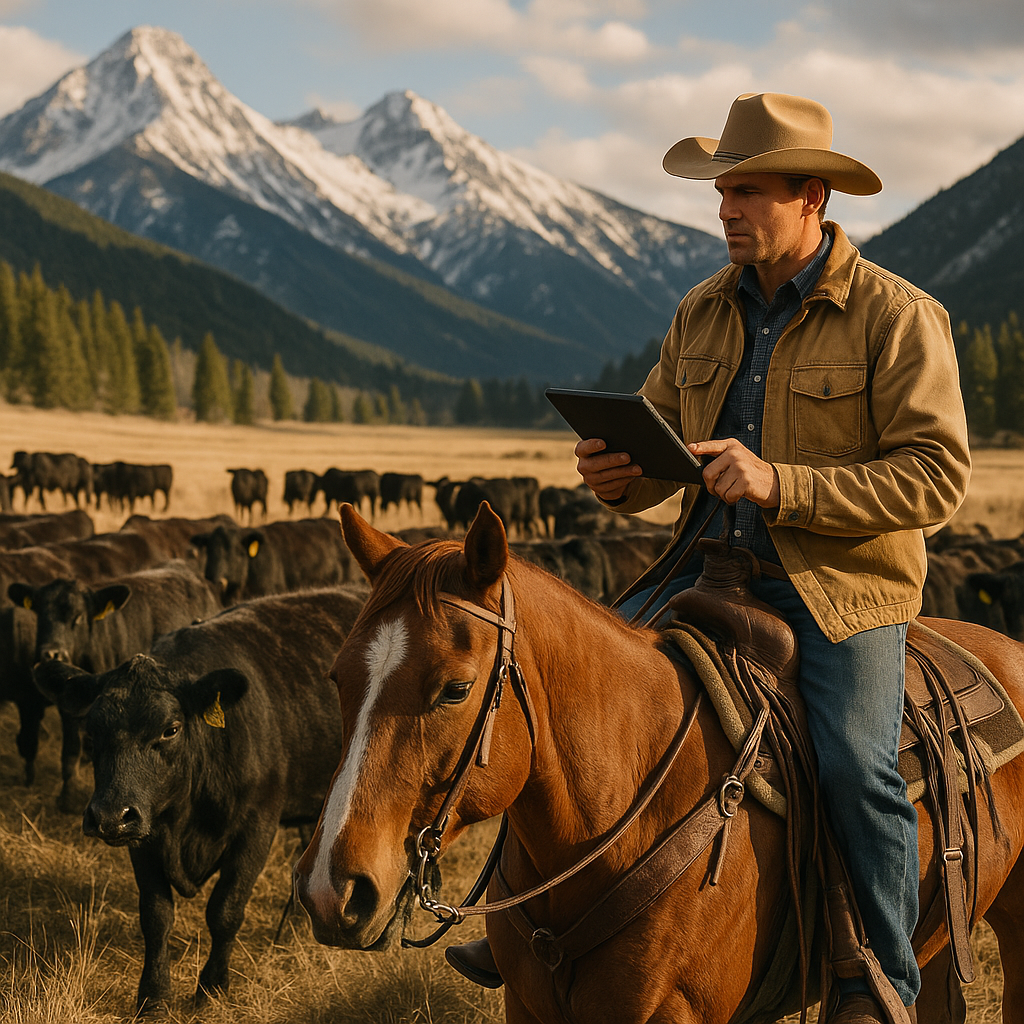
In Montana’s mountain country, ranching still runs on early mornings, good horses, and a feel for weather that doesn’t show up on any app. But more outfits are also leaning on tools that would’ve sounded like science fiction a generation ago—digital mapping, remote cameras, and data that helps a family outfit make clearer calls in a short season.
Reports from ag coverage indicate the shift isn’t about replacing tradition. It’s about making it easier to keep doing the work—especially when labor is tight, margins are narrow, and the landscape is as rugged as it is beautiful.
Quick takeaways
- Tech is showing up in practical ways: water monitoring, pasture planning, and better recordkeeping—not flashy gadgets for their own sake.
- Mountain terrain changes the math: long distances, tough access, and quick weather make efficiency tools more valuable.
- Good stockmanship still matters: new tools can support decisions, but they don’t replace experience on the ground.
- Connectivity is a real constraint: many ranches can’t rely on steady cell service, shaping what tools actually work.
Why mountain country pushes ranches to adapt
Ranching in the breaks or on prairie is its own kind of hard. In the high country, it can be harder in different ways: steep ground, timber, snow that lingers late, and a grazing season that’s always racing the calendar. Pastures can be spread out, water can be a long ride away, and a missing gate chain can cost half a day.
That’s where technology is starting to fit—less as a replacement for horseback work and more as a way to reduce wasted trips and tighten up decision-making. When a ranch is balancing hay supply, pasture readiness, and a crew that might be smaller than it used to be, shaving off a few unnecessary miles matters.
What “technology” looks like on a working cattle outfit
In ranch-country talk, “technology” doesn’t always mean something complicated. It often means tools that help answer a few basic questions faster:
- Where are the cattle?
- Is water running where it should?
- How hard did we graze that pasture last year?
- What does our calving and health record actually show over time?
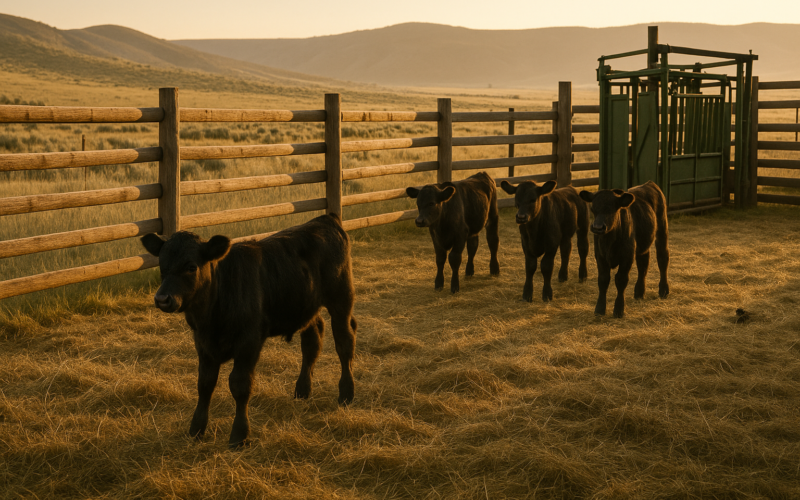
Some ranches are using GPS mapping and digital pasture records to keep notes that used to live in a notebook in the pickup. Others are experimenting with remote cameras at key locations—like a calving area, a gate, or a water point—where a quick check can save a long drive. In areas with limited service, tools that store data offline and sync later tend to be more useful than anything that requires constant connectivity.
On the livestock side, electronic identification and improved record systems can help operations track treatments, weights, and movement history. That can be valuable for management, but also for marketing programs that require documentation. Not every ranch needs that level of detail, but for some it’s becoming part of staying competitive.
Water: the place tech can pay off fast
Water is one of the first places ranchers look when they’re deciding whether a new tool is worth it. A water problem in the mountains can mean cattle drifting, overgrazing a riparian area, or a long day spent troubleshooting a line that froze or got plugged.
Where it pencils out, some outfits are adding monitoring equipment that can indicate whether a tank is filling or whether a pump is running. It’s not a cure-all—hardware fails, and batteries don’t last forever—but when it works, it can reduce the number of “just in case” trips and help prioritize the day’s work.
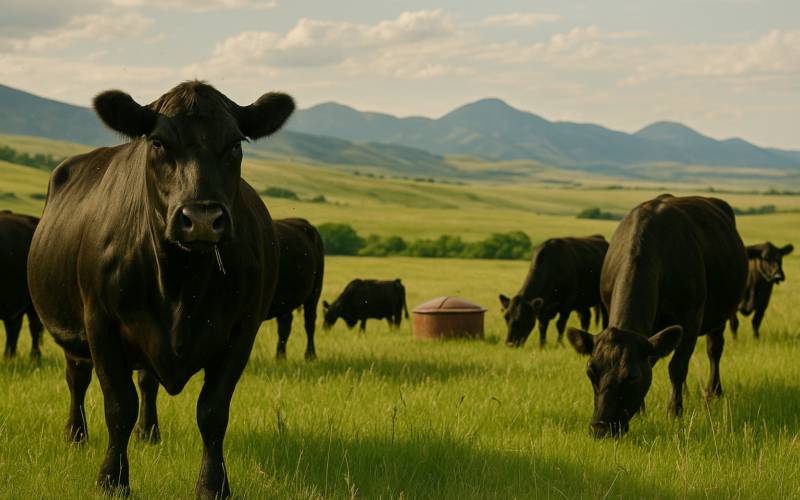
For ranches managing grazing carefully, reliable water distribution is also a pasture tool. If cattle can’t water in the right place, they won’t graze where you need them to. That’s as true now as it was when folks were packing salt on a saddle horse.
Pasture planning: blending local knowledge with better records
Montana ranchers have always kept mental maps: where grass comes early, where it burns up first, where elk pressure hits, where a seep will hold in a dry August. What’s changing is the ability to store that knowledge in a form that can be shared, compared year-to-year, and used to plan rotations.
Digital mapping and grazing records can help document what happened—turn-in dates, turnout weights, rainfall notes, utilization observations—so the next decision isn’t just based on memory. That’s especially helpful when multiple family members or employees make moves, or when a ranch is trying to train the next generation to “see” the place the way older hands do.
None of this replaces riding a pasture and looking at what’s actually there. But it can help a ranch keep from repeating mistakes and can make it easier to explain decisions to a landlord, a bank, or a partner.
Labor, safety, and the reality of distance
One reason technology is getting attention is simple: it’s harder to find and keep help, and the work isn’t getting any smaller. When a ranch covers big country, one extra person can change everything. When you don’t have that person, tools that reduce windshield time—or help a small crew cover more ground—start to look practical.
There’s also a safety angle. Mountain country can be unforgiving, especially in shoulder seasons. Anything that reduces unnecessary travel in bad weather, or helps a ranch check on a situation before committing to a long trip, can lower risk. That said, ranchers are quick to point out that electronics can’t be trusted blindly. You still need a plan for when the device quits or the signal drops.
The limits: connectivity, cost, and “does it actually work here?”
Montana isn’t Silicon Valley, and a lot of ranches don’t have reliable broadband or cell service once you leave the yard. That shapes what tools are realistic. A system that needs constant connection may be a non-starter, while equipment designed for remote settings can be a better fit.
Cost is another barrier. New hardware and subscriptions can add up, and ranchers are rightly cautious about paying for something that doesn’t return value. Many are taking a “try it on one piece of the operation” approach—testing a tool at one water point, one pasture, or one set of records before expanding.
There’s also the cultural piece. Ranching is built on doing, not talking. A tool has to prove itself in mud, snow, and dust, and it has to save time or money in a way you can see.
Tradition isn’t going away—horses, dogs, and good judgment still run the show
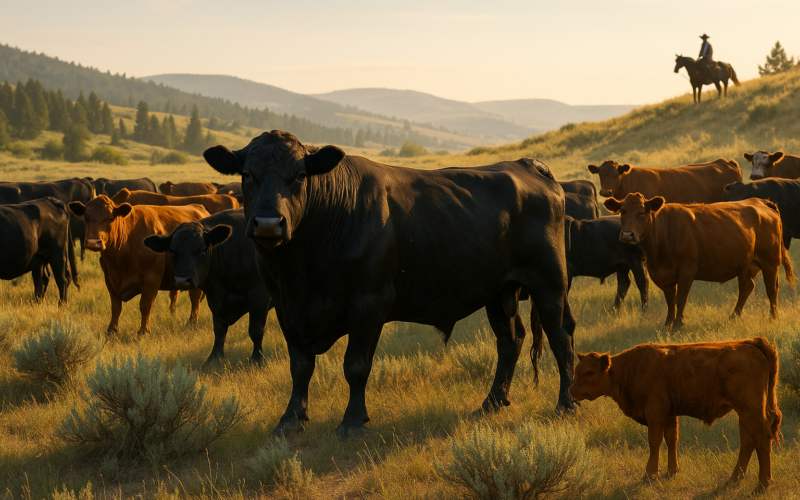
Even with better tools, the fundamentals stay the same: calm cattle handle better, good fences matter, and timing is everything. Many Montana outfits still rely heavily on horses for gathering and sorting, especially where machines can’t safely go. Dogs remain a key part of day-to-day work on plenty of places. And the best “technology” on any ranch is still a crew that knows how to read cattle and terrain.
What’s changing is how that traditional skill set is supported. A ranch might still gather on horseback, but use mapping to plan the day’s push. It might still check heifers the old-fashioned way, but use better records to evaluate what’s working. It might still stack hay the same way, but use weather tools to time cutting and baling.
What this means for Montana
For Montana’s cattle industry, the blend of tradition and modern tools is less about chasing trends and more about staying viable in a state where distance, weather, and terrain always set the terms.
- Resilience: Tools that help manage water, grazing, and records can support drought planning and pasture recovery—especially when conditions swing hard year to year.
- Keeping ranches staffed and safe: If technology reduces wasted trips and helps small crews do more, it can ease labor pressure and improve safety during long seasons.
- Market readiness: Better documentation can help ranches participate in value-added programs when it makes sense, though it won’t be the right fit for every operation.
- Rural infrastructure matters: The usefulness of many tools still depends on connectivity. Continued investment in rural broadband and reliable service can have real, practical impacts on ag production.
Montana’s mountain ranches aren’t trying to become something they’re not. They’re trying to keep doing what they’ve always done—raise cattle on tough country—while using any sensible advantage that helps them stretch time, protect grass, and bring a calf crop home.
Inspiration: “montana cattle” – Google News (link)