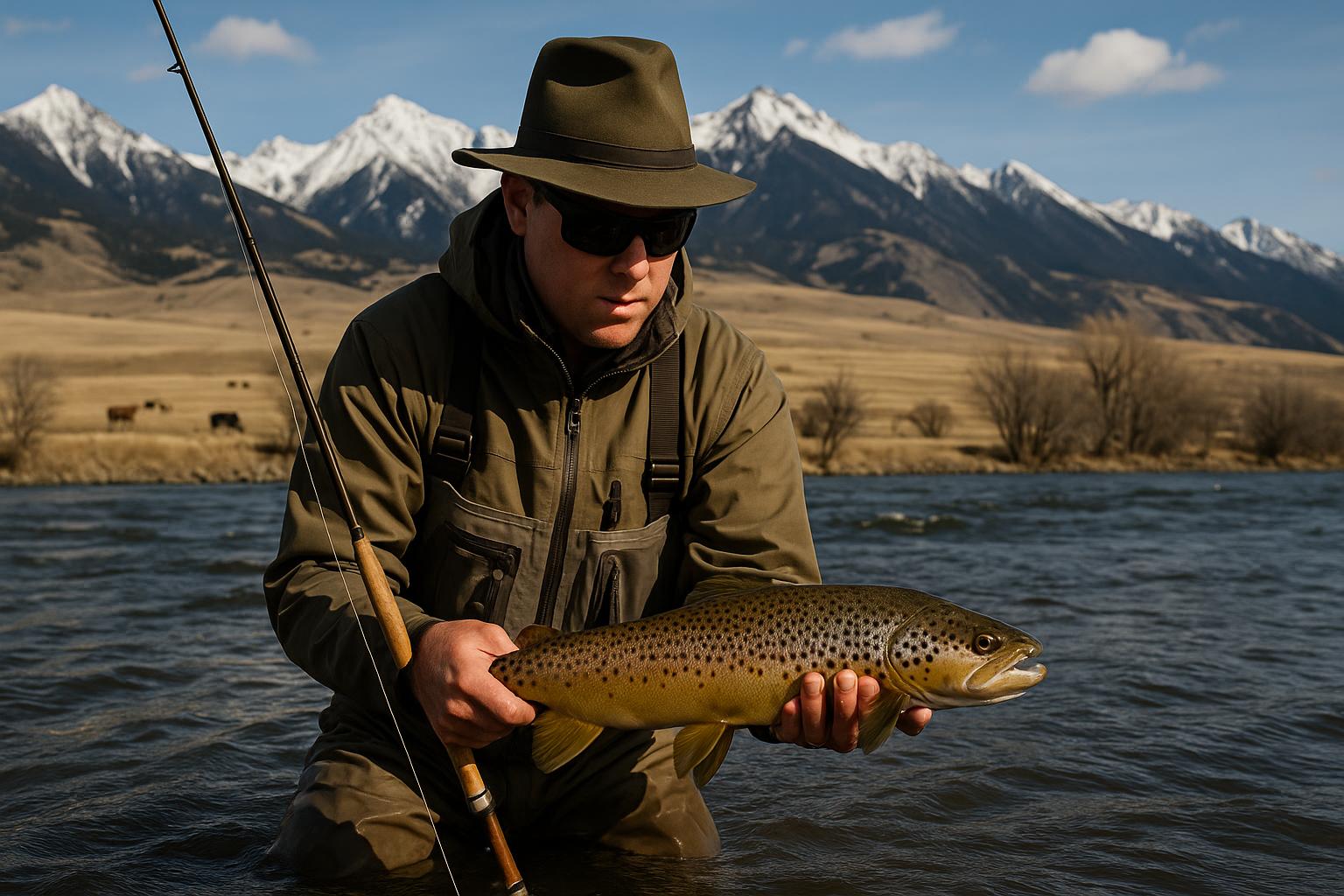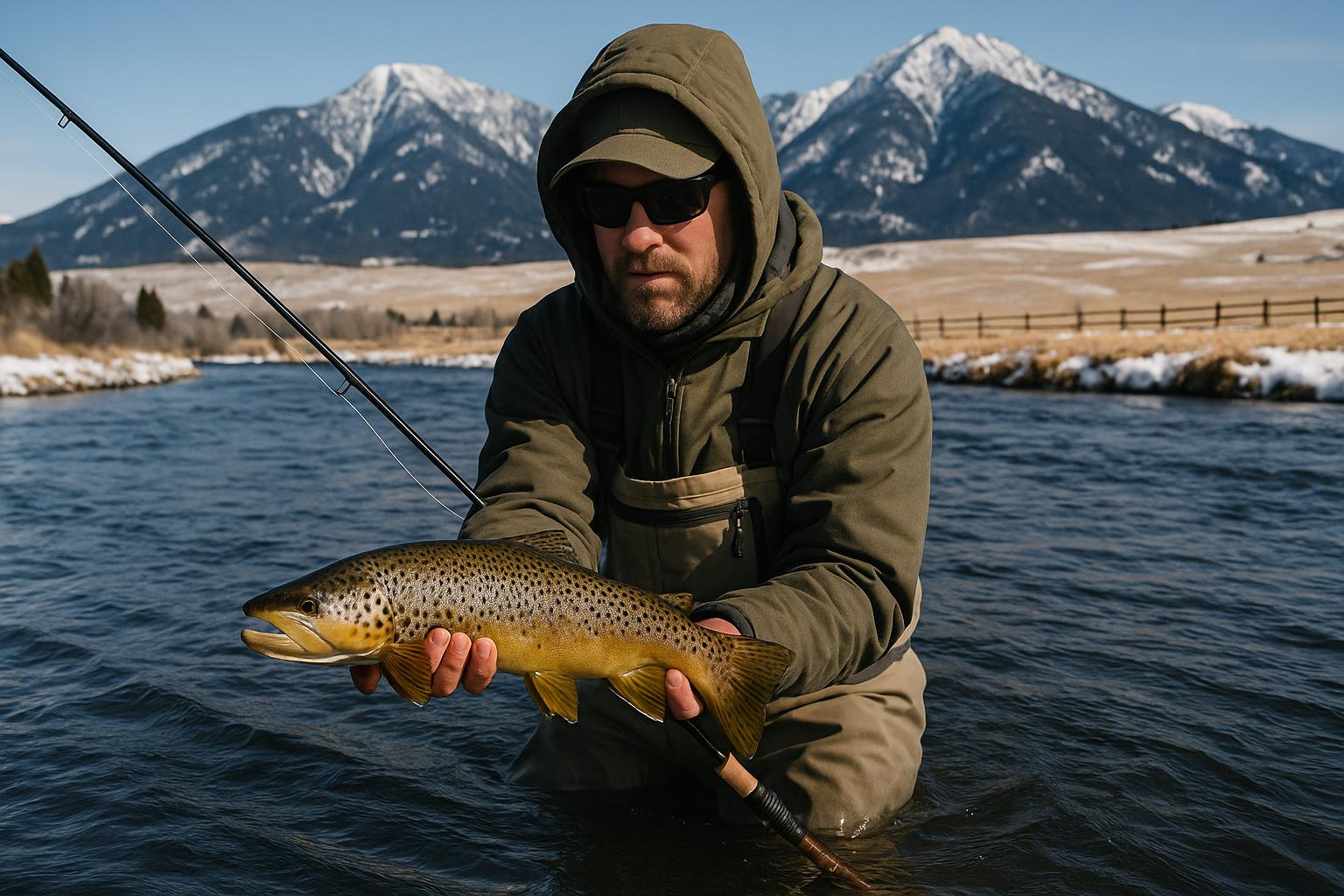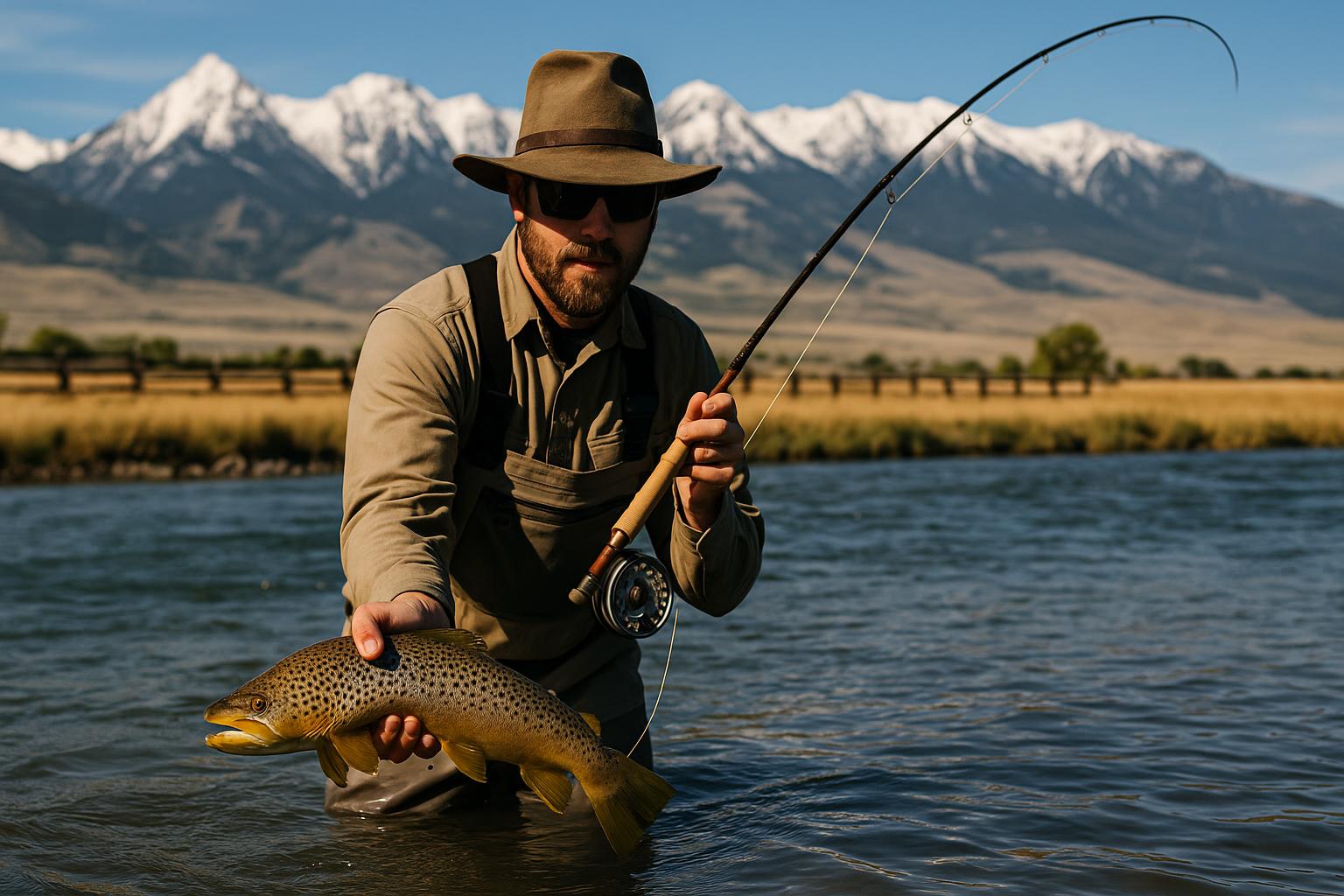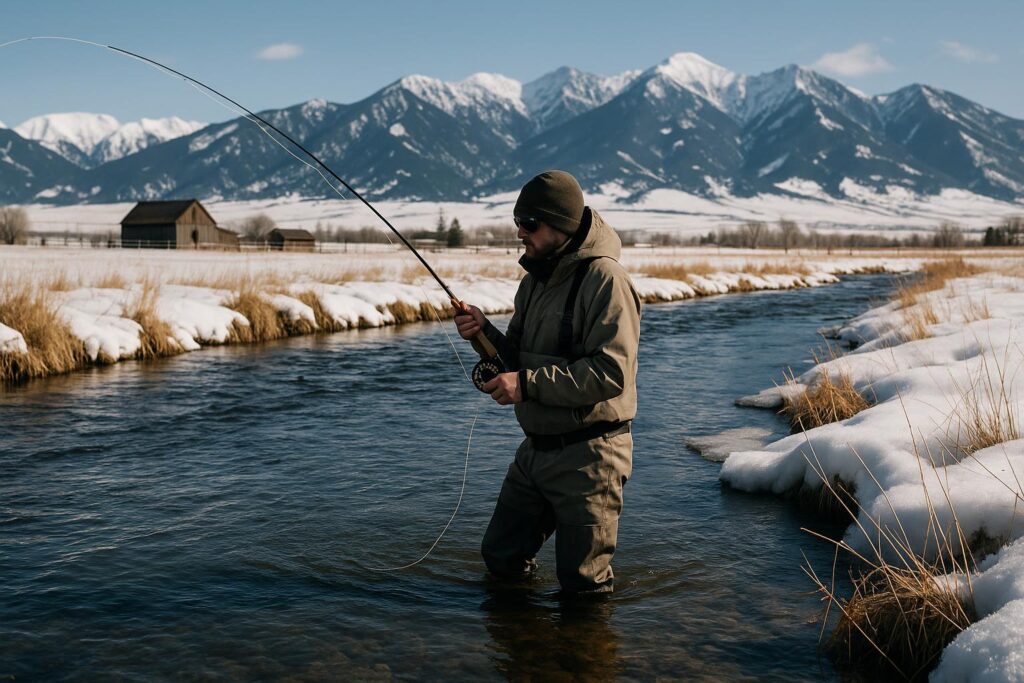
Southwest Montana anglers keeping an eye on the East Gallatin this time of year are dealing with classic late-winter realities: cold water, shorter bite windows, and fish that rarely move far to eat. Reports indicate the river is fishing best when you keep expectations realistic, focus on slow water, and plan your day around the warmest hours.
This update is geared toward the East Gallatin River corridor near Bozeman and the valley stretches where the river meanders through private and public parcels. Conditions can change fast with temperature swings, wind, and any mid-winter thaw, so treat this as a snapshot rather than a guarantee.
Current conditions: cold water, clear flows, and selective trout
In mid-winter, the East Gallatin typically runs clear and cold, with trout holding in softer seams, deeper runs, and tailouts where they can feed without burning calories. When the river is stable, fishing can be steady but subtle. When flows bump or the river gets a shot of off-color water from a warm spell, trout often tighten up and the bite can get short.
- Best bite window: Late morning through mid-afternoon, especially on calmer, brighter days.
- Where fish sit: Inside bends, slow troughs, deeper buckets below riffles, and any structure that breaks current.
- What to expect: Light takes and fewer “hero” eats—most hookups come from careful drift control.
Where to focus: soft edges and winter holding water
The East Gallatin is a river where reading water matters year-round, but it’s especially true in winter. Rather than pounding fast riffles, focus on places where a trout can feed with minimal effort. If you’re wading, move slowly and fish methodically—winter fish often stack in small pieces of prime water.
Good-looking winter water usually has three things: depth, cover, and a slow lane. Think of:
- Slow seams along grassy banks
- Back-eddies and soft inside turns
- Deeper mid-river slots with a defined current break
- Tailouts below short riffles (especially when the sun has been on the water)
If you’re unsure where to start, walk until you find a run with consistent depth and an obvious soft edge. Then fish it thoroughly before moving on.
Fly selection: small nymphs, midges, and a few winter staples
Winter on the East Gallatin is rarely about one magic pattern. Reports indicate anglers are doing best with small, natural-looking nymphs and midge imitations, fished close to the bottom. If you’re not occasionally ticking rocks, you’re probably too high in the water column.
Consider carrying a simple winter rotation:
- Midges: Zebra midge-style patterns in black, red, or olive; small midge larvae and pupa imitations
- Mayfly nymphs: Small baetis-style nymphs in olive/brown tones
- Attractor/anchor nymphs: A slightly heavier, buggy nymph to get down (stonefly-style or general “hares ear” types)
- Egg patterns: Useful in some stretches, especially if fish are keying on protein-rich drifts
Two-fly nymph rigs are common this time of year: a heavier lead fly up top and a smaller dropper behind it. If you’re getting follows or bumps but not hookups, downsizing the trailing fly and tippet can help.
How to fish it: depth, drift, and strike detection
On the East Gallatin in winter, your rig and presentation matter as much as fly choice. A clean drift at the right depth is the whole game. Most bites are not aggressive; they’re small hesitations or a slight change in your indicator’s speed.
- Depth first: Start deeper than you think. Adjust until you’re occasionally touching bottom, then back off slightly if you’re snagging too often.
- Slow the drift: Use mends to keep your flies moving at the pace of the seam you’re targeting, not the faster surface current.
- Set on anything: If the indicator twitches, stalls, or slides sideways, set the hook. Winter bites are often “nothing” until you react.
- Keep it short: Shorter drifts in the best water can outfish long drifts through mixed current.
If you prefer streamers, winter streamer fishing can still produce, but it’s usually a lower-volume approach. Fish them slow and deep, especially along undercut banks and in deeper pools. When it works, it can be memorable—but plan on fewer chances.
Access and etiquette: know where you stand
The East Gallatin flows through a patchwork of private land and public access points. Montana’s stream access law generally allows the public to use rivers up to the ordinary high-water mark where legal access is obtained, but getting to the water matters. Use established fishing access sites, public parcels, or other lawful entry points, and avoid crossing private property without permission.
For a refresher on the basics, the state’s overview is a good starting point: Montana Fish, Wildlife & Parks. For the legal framework, anglers often reference the Montana Stream Access Law overview.
Winter also brings practical access issues: icy banks, snowed-in pullouts, and slick boat ramps. If you’re wading, traction helps, and a wading staff can prevent a bad spill on shelf ice.
Safety: cold water is the real hazard
Even when the weather feels mild in the valley, the East Gallatin is cold enough to turn a simple mistake into an emergency. Shelf ice and frazil ice can be present in places, and footing can be unpredictable along muddy banks.
- Fish with a partner when possible and let someone know your plan.
- Wear layers that still insulate when wet; pack dry gloves and a spare hat.
- Be cautious around undercut banks and any ice shelves.
- If conditions look sketchy, stick to smaller water or postpone.
What this means for Montana
Winter fishing on rivers like the East Gallatin is part of what makes Montana’s outdoor culture unique: you don’t have to put the rods away when the calendar flips. But it also highlights the balancing act between opportunity and responsibility. Cold-water periods demand careful handling—keep fish in the water during releases, minimize air exposure, and fish barbless if you can to speed up releases.
For local communities around Bozeman and the Gallatin Valley, a fishable winter river supports year-round recreation and the small businesses that come with it—fly shops, guides, and cafes included. At the same time, winter conditions are a reminder that safety and access go hand-in-hand: respect property boundaries, use established entry points, and make conservative choices when ice and cold water are factors.
Quick game plan for your next outing
- Go midday: Plan to be on the water late morning through afternoon.
- Fish slow water: Prioritize deeper runs, inside seams, and soft edges.
- Nymph deep: Two-fly rigs with a small midge dropper are a reliable winter approach.
- Watch your indicator: Set on anything unusual—most takes are subtle.
- Stay safe: Treat cold water and shelf ice as the main risk.
Inspiration: www.montanaangler.com