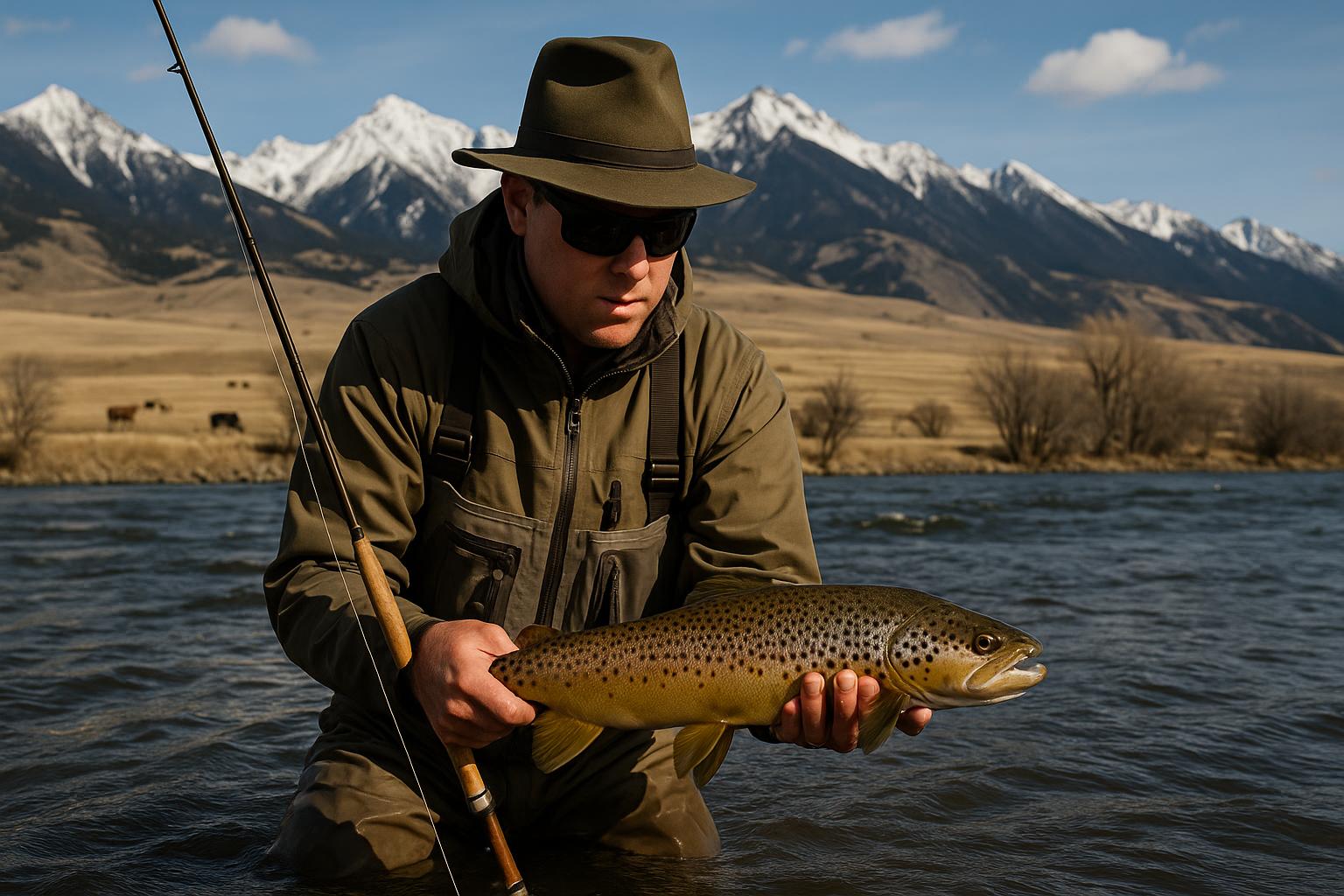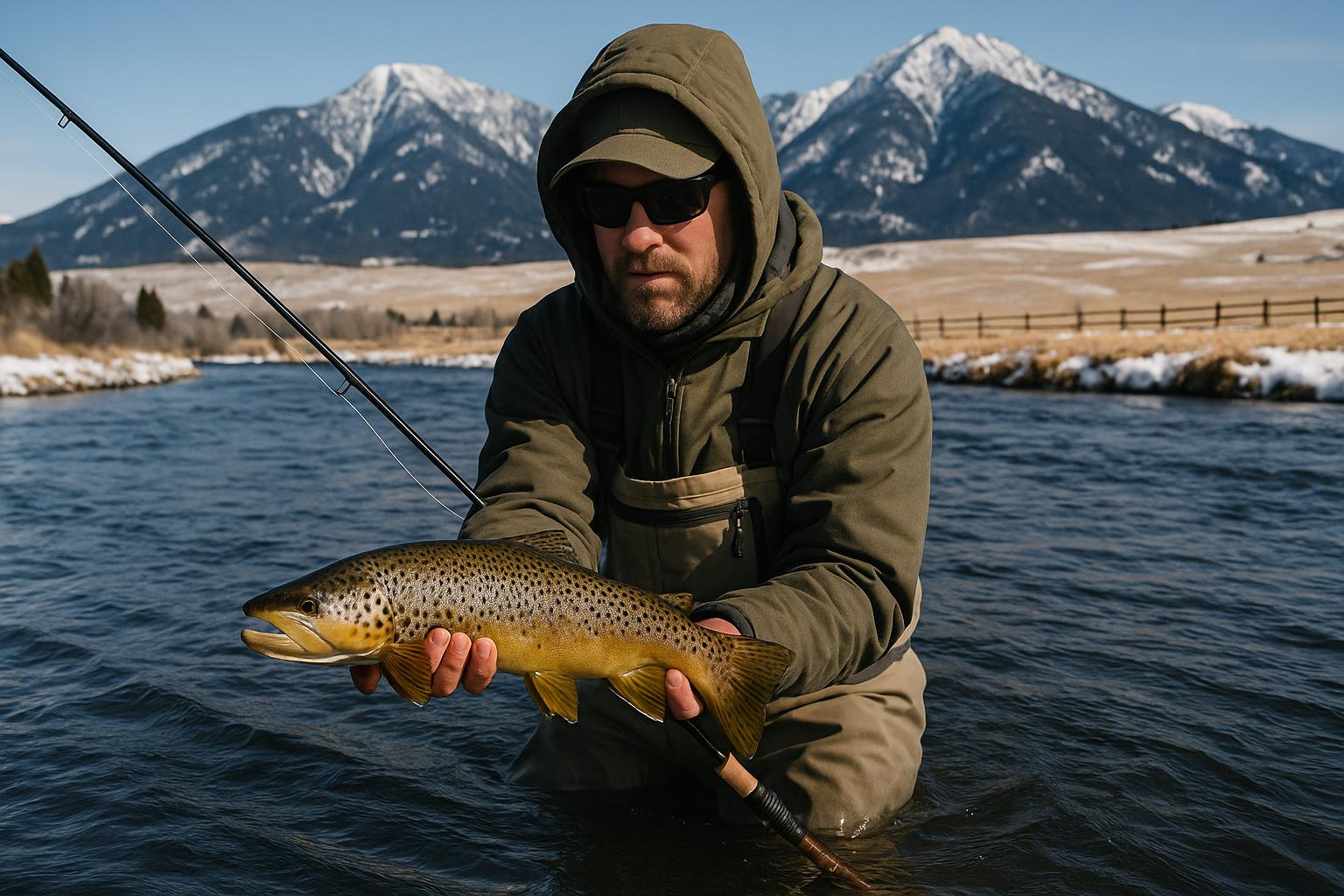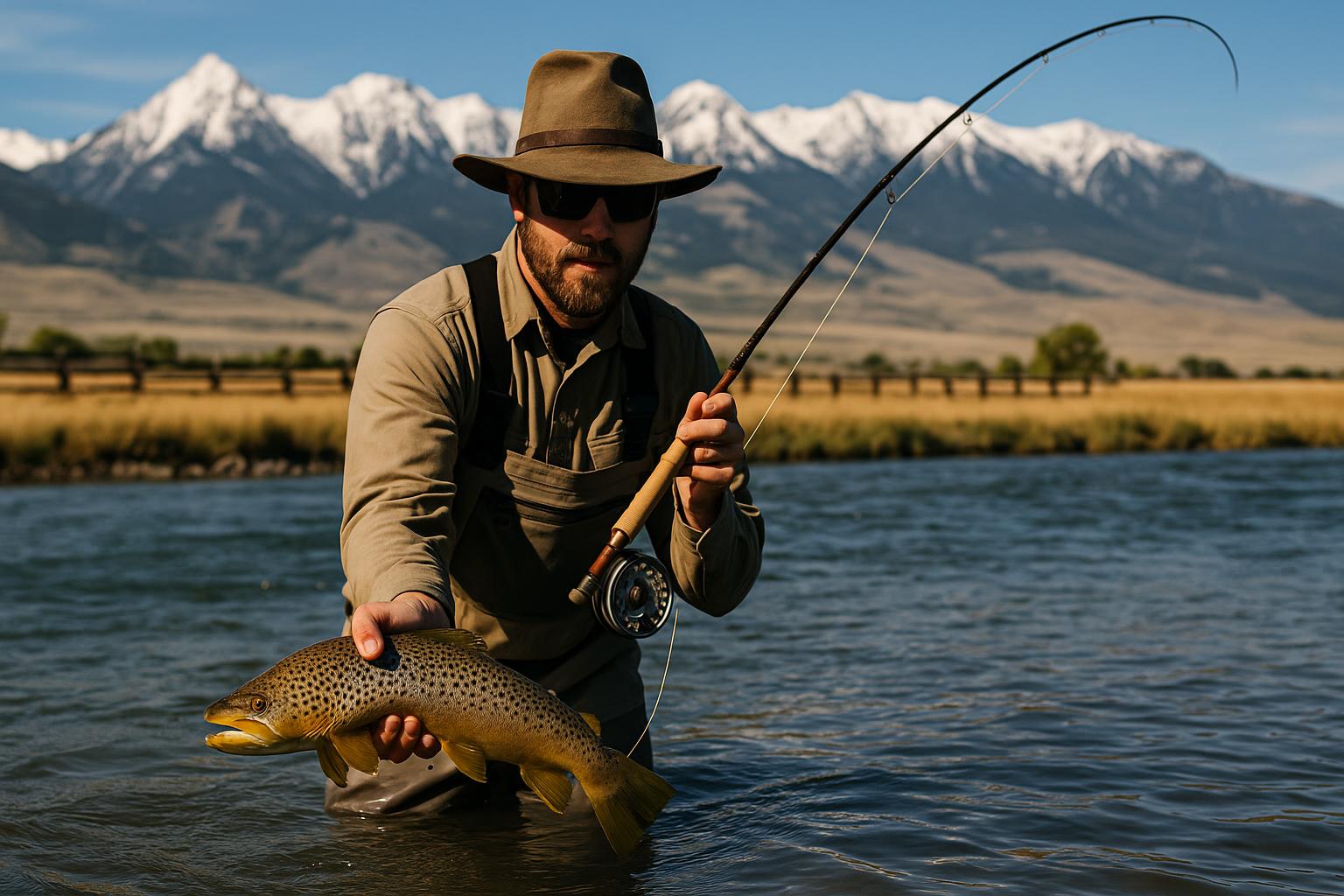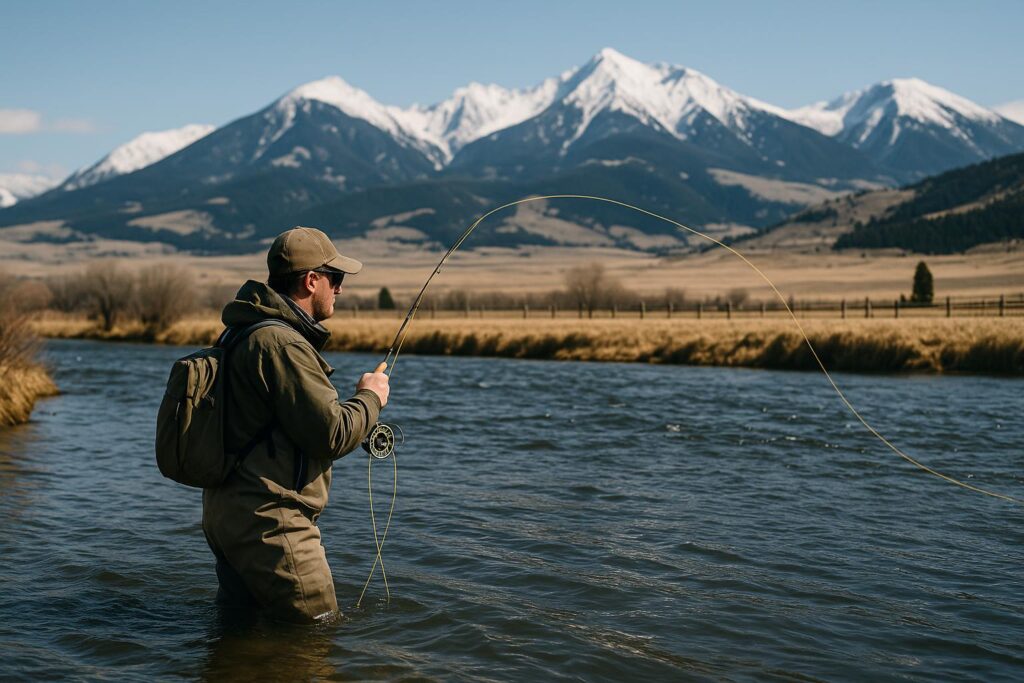
Southwest Montana is the kind of country where a good day on the water can hinge on one detail: a cold night that drops water temps, a windy afternoon that knocks terrestrials into the drink, or a bump of color after a localized storm. Reports from guides, shops and regular anglers indicate the region’s core rivers—the Yellowstone, Madison, Missouri, Gallatin, Jefferson, Boulder and Stillwater—are offering a mix of opportunities depending on flows, clarity and time of day.
This isn’t a one-size-fits-all “hot bite” roundup. Consider it a practical check-in: what people are seeing, what to watch before you leave the driveway, and how to fish smart when conditions change fast in big sky country.
Before you go: the three checks that save a trip
- Flows and temps: Start with the latest flow data on the USGS real-time gauges. If you’re seeing warm afternoons, plan early and handle fish quickly.
- Weather and wind: A breezy day can be a streamer day on bigger water, while calm mornings often favor technical dry-fly windows. Check a reliable point forecast from the National Weather Service.
- Regulations and closures: Montana can implement hoot-owl restrictions and other emergency rules. Confirm current rules on the Montana Fish, Wildlife & Parks site before you fish.
Yellowstone River: big water, big variables
The Yellowstone is a working river—freestone character, shifting channels, and clarity that can change quickly after rain or snowmelt pulses upstream. Anglers report that when the river is running clear enough to see structure, the fishing can be solid with a “cover water” approach.
What tends to work:
- Dry-dropper: Prospecting foam patterns with a small nymph behind them is a reliable way to learn a stretch.
- Streamers: When wind picks up or water has a little color, swinging or stripping can move fish that won’t look up.
- Bank and seam focus: The Yellowstone rewards anglers who pick apart softer edges, inside bends, and mid-river seams.
Local caution: Because this river warms in summer stretches, many anglers shift to early mornings and keep fish wet, minimizing photos and time out of water.
Madison River: classic runs, technical moments
From the brawling pocket water below Hebgen to the famous runs through the valley, the Madison can fish very differently depending on where you step in. Reports indicate the river often favors anglers who keep moving and adjust quickly—especially when surface activity comes in short bursts.
Common approaches:
- Nymphing: In faster water, a short-line nymph rig can be effective when fish aren’t committed to the surface.
- Dries when you see it: If you spot consistent rises, match size and profile rather than chasing exact names.
- Wade smart: The Madison’s pushy currents can be deceptive. Use a wading staff and don’t force crossings.
Missouri River: steady, detail-driven fishing
The Missouri below Holter Dam is a different animal—more consistent flows, clearer water, and fish that can make you earn it. Anglers on this tailwater often report the best success comes from precision: clean drifts, thoughtful tippet choices, and paying attention to subtle changes in insect activity.
What to expect on the Mo:
- Long leaders and good drifts: Drag-free presentations matter, especially on calm days.
- Mix of nymphs and dries: Even when fish are feeding subsurface, there can be windows where pods key on emerging bugs.
- Boat traffic etiquette: Give anchored boats space, avoid sliding in too close, and communicate clearly at ramps.
Gallatin River: pocket water and quick decisions
The Gallatin’s character—especially through the canyon—invites a run-and-gun style. Reports indicate it can reward anglers who fish the next piece of structure rather than camp on one run. In pocket water, fish often have short feeding lanes and quick reaction time.
Practical tips:
- High-stick nymphing: Short drifts through pockets can outproduce longer, less controlled presentations.
- Small dries in broken water: In fast, choppy current, trout may commit more readily than in slow flats.
- Be bear aware: The Gallatin corridor is prime habitat. Carry bear spray and know how to use it.
Jefferson River: slow water, warm-water watch
The Jefferson is a lower-gradient river that can be moody—especially during hot spells. Anglers report that timing and location matter: early starts, focusing on deeper runs, and being ready to pivot if water temperatures climb.
How people adapt:
- Fish early: Morning can be the most comfortable window for trout—and anglers.
- Work structure: Undercut banks, deeper bends, and shaded stretches can hold fish when the sun is high.
- Know when to quit: If water is warm and fish are stressed, consider switching to a cooler tributary or calling it a day.
Boulder and Stillwater: smaller feel, big payoffs
The Boulder and Stillwater can offer a more intimate pace than the region’s marquee rivers, but they’re not “easy buttons.” Reports indicate both can fish well when conditions line up—especially when you find clear water and manageable flows.
On these rivers, anglers often do best by:
- Reading clarity: If the water has a little stain, don’t panic—adjust with slightly larger profiles or more visible patterns.
- Fishing the edges: Soft banks, side channels and tailouts can concentrate feeding fish.
- Staying mobile: A short hike or a move to the next access can be the difference between a grind and a banner session.
What this means for Montana
For a state where hunting seasons, irrigation schedules, and tourism all share the calendar, river conditions are more than a weekend detail—they’re part of the larger rhythm of rural Montana. When flows run high, muddy, or warm, it affects not only anglers but also outfitters, small-town businesses, and landowners managing access and livestock near water.
It also underscores a simple truth: good ethics matter. Being willing to fish early, handle trout carefully, respect private property, and follow any time-of-day restrictions helps keep these fisheries resilient. Southwest Montana’s rivers are a shared resource—one that benefits when anglers treat each day on the water like it’s part of a longer season, not a one-off trip.
Quick checklist: fish smarter this week
- Confirm flows and recent trends on USGS gauges before you drive.
- Build a plan around the day’s coolest hours if warm weather is in the forecast.
- Carry a thermometer and pay attention to fish stress signals.
- Bring one streamer option for wind or off-color water.
- Double-check FWP rules for any temporary restrictions.
Inspiration: www.montanaangler.com