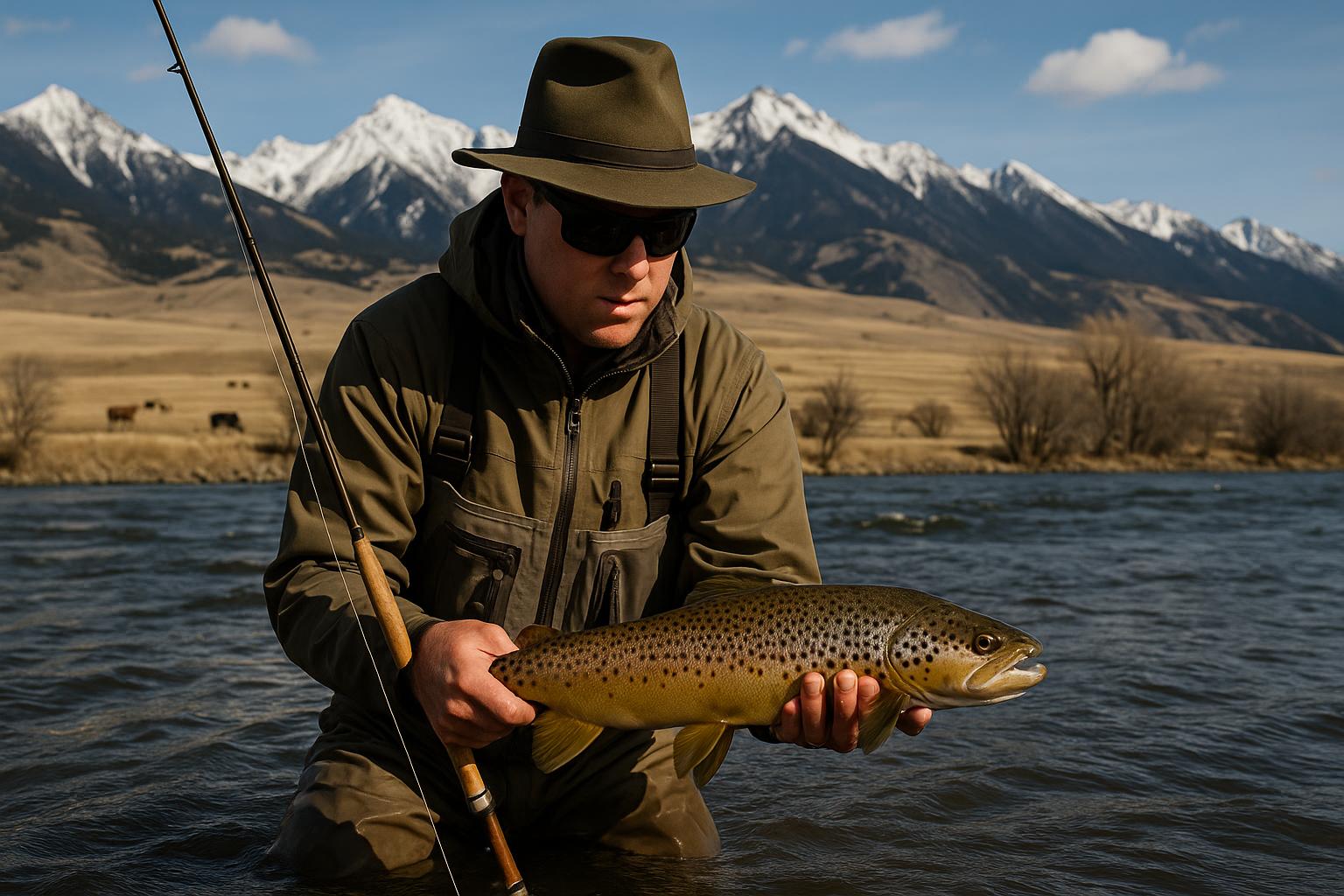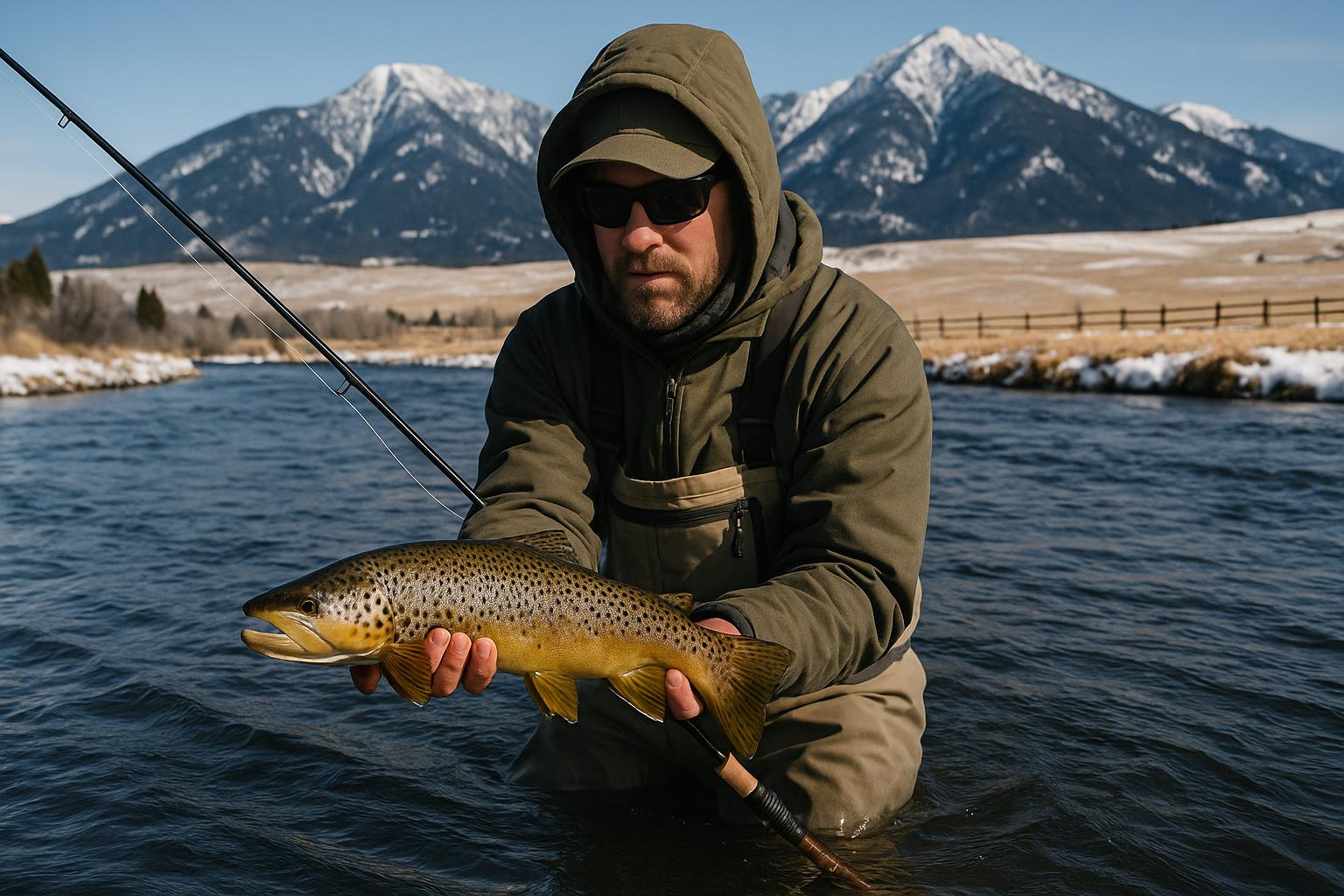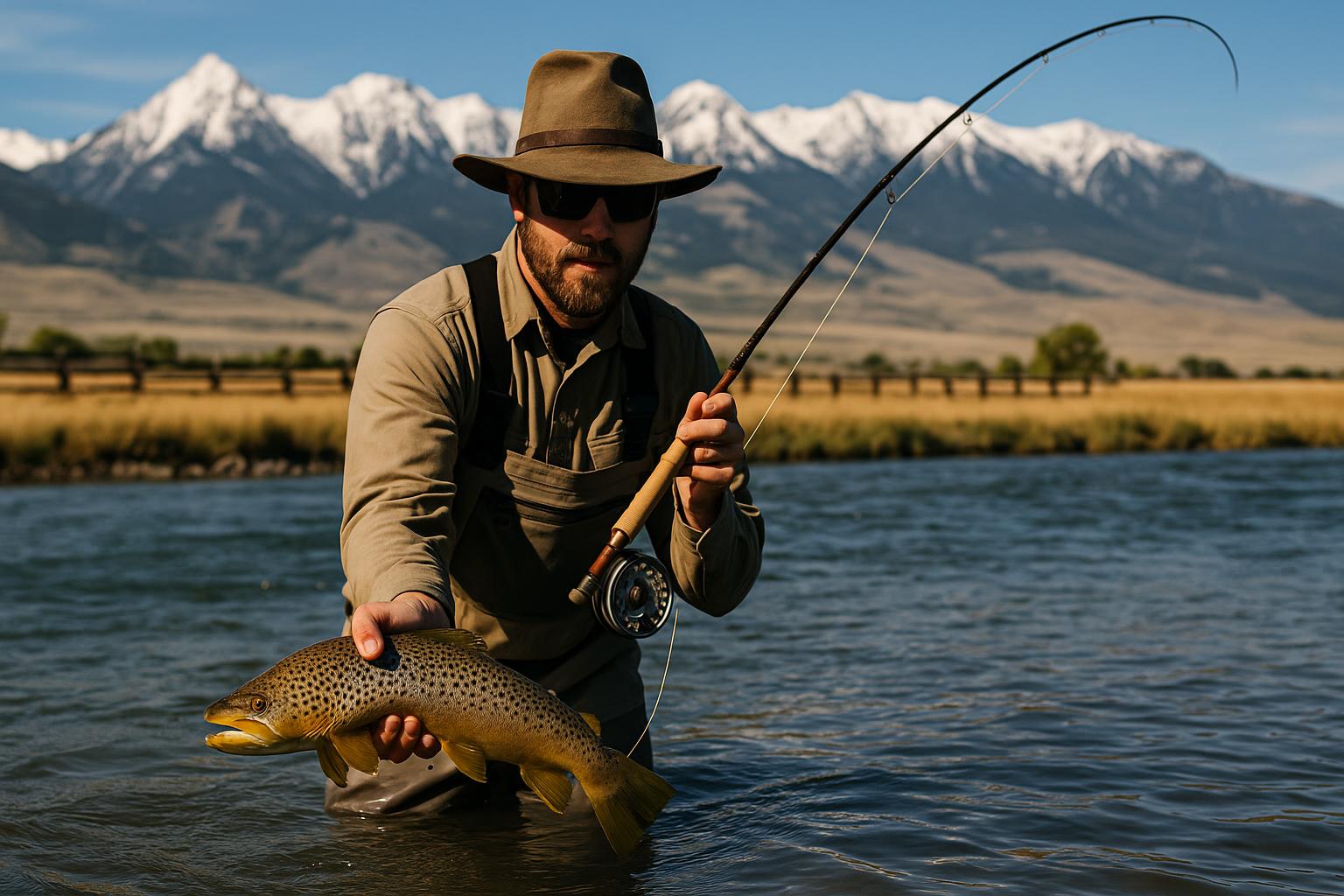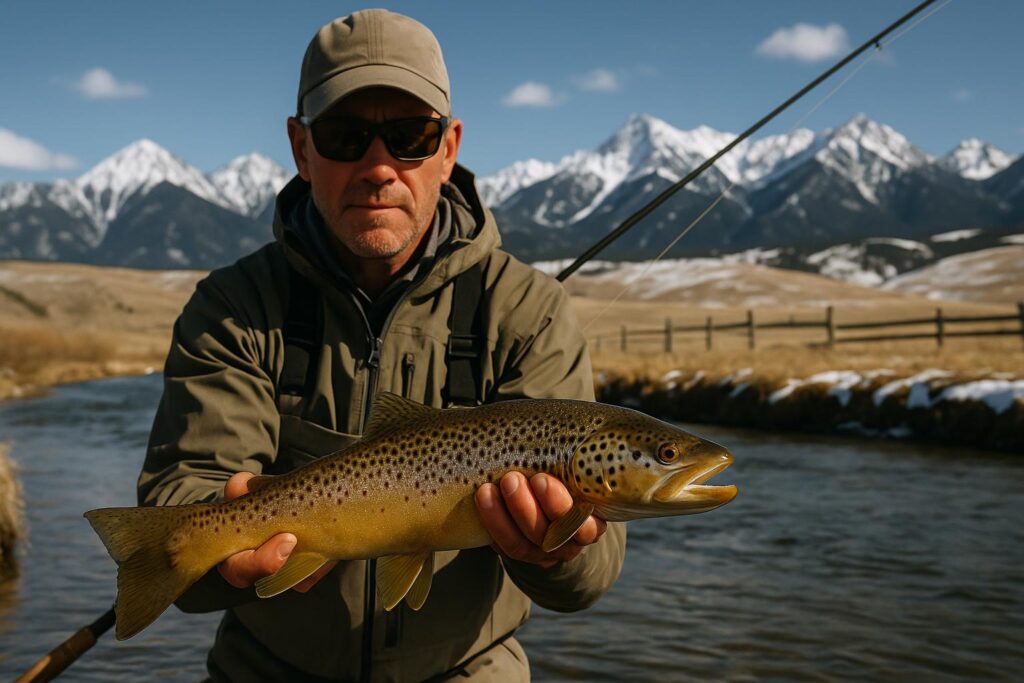
Southwest Montana is a big piece of country with a lot of different water types—tailwaters, freestones, spring creeks, and mountain tributaries. That means fishing can be excellent on one river and tricky on another on the same day. The best approach right now is to check real-time gauges, watch water temps, and be willing to pivot based on clarity, flows, and wind.
This report covers the region’s mainstays—the Yellowstone, Madison, Missouri, Gallatin, Jefferson, Boulder and Stillwater—using commonly observed seasonal patterns and what recent angler reports indicate. For up-to-date flow and temperature data before you launch, use the USGS Montana real-time water data and local weather forecasts.
Quick conditions checklist (before you drive)
- Streamflow: Rising water can mean dirty banks and limited wading; dropping water often improves clarity and wade access.
- Water temperature: If temps push into the upper 60s °F and higher, consider fishing early and giving trout a break during the hottest hours.
- Wind: Southwest Montana wind can make dry-fly fishing tough; nymphing or streamers often fish better on gusty days.
- Clarity: If you can’t see your boots in knee-deep water, think bigger flies, more flash, or find clearer tributary influence.
Yellowstone River: big water, big swings
The Yellowstone can fish very well when it has decent clarity and stable flows, but it’s also prone to quick changes after rain or warm spells that accelerate runoff. Reports indicate that when the river is on the rise, the edges and soft seams become the highest-percentage water.
- Best approach: Fish the banks, inside bends, and any slower side channels. When clarity is limited, shorten leaders and add weight to get down.
- Productive rigs: Large stonefly nymphs, worms, and attractor nymphs under an indicator. In clearer water, add a mayfly nymph dropper.
- Streamer note: On overcast days or with a little color in the water, streamers tight to the bank can move fish.
Boaters should keep an eye out for floating debris during higher water and give other river users plenty of room at ramps and popular runs.
Madison River: from wade-friendly to pushy, depending on flows
The Madison is a go-to for many Montana anglers because it can produce in a wide range of conditions. That said, it’s a river where “normal” is relative—flows and wading difficulty can vary widely between the upper river and the sections below Ennis.
- Wading: Use caution—felt or rubber with studs, a wading staff, and a conservative approach around heavy pocket water.
- What to fish: Nymphing remains a consistent option. If you find stable weather and moderate flows, keep an eye out for opportunistic surface feeding in softer lanes.
- Dry-dropper: A buoyant attractor dry with a small nymph can cover water efficiently when you’re searching.
If you’re floating, focus on bank structure, bouldery shelves, and the transitions where fast water dumps into a softer bucket.
Missouri River: technical tailwater with dependable options
The Missouri below Holter is often the most consistent bet in the region when other rivers are running high or off-color. Because it’s a tailwater, it tends to hold clarity and fishability even when freestones get volatile. Angler reports commonly point to strong nymphing with periodic dry-fly windows when conditions line up.
- Nymphing: Small mayfly nymphs, midges, and other compact patterns are staples. Longer leaders and lighter tippet can help when the river is clear and calm.
- Dry flies: Watch for pods in slicks and slower edges. A patient approach—good drift, minimal false casting—usually outperforms constant fly changes.
- Wind plan: If it’s blowing, fish sheltered banks and consider heavier nymph rigs to maintain contact.
For access and etiquette reminders, consult public land tools and site rules where applicable. The Montana Fish, Wildlife & Parks site is a good starting point for regulations and closures.
Gallatin River: clear water, quick currents, willing trout
The Gallatin is a classic freestone: fast, cold, and full of pocket water that rewards anglers who like to move. When flows are moderate and clarity is good, it can be a great place to prospect with attractors and small droppers.
- Where to focus: Pocket water, plunge pools, and any foam line that signals a consistent feeding lane.
- Go-to setup: A dry-dropper or short-line nymphing with enough weight to tick the bottom without snagging every cast.
- Stealth matters: In low, clear water, keep a lower profile and avoid wading into the heart of a run.
Jefferson River: under-the-radar, often best from a boat
The Jefferson doesn’t always get the same attention as the Madison or Missouri, but it can fish well—especially for anglers willing to cover water and focus on structure. Depending on recent weather, it can run warmer and slower, so water temperature is a key factor.
- Timing: Early and late can be best during warm spells.
- Techniques: Streamers along undercut banks and deeper slots; nymphing the slower seams when fish aren’t chasing.
- Clarity: If the river has color, size up flies and add contrast.
Boulder and Stillwater: smaller windows, big rewards
The Boulder and Stillwater can be standout options when they’re in shape, but they’re also more sensitive to runoff pulses and localized storms. When these rivers are clearing, fishing can improve quickly—sometimes over a day or two.
- When to go: Watch for dropping hydrographs and improving visibility.
- What works: Stonefly nymphs and attractors in higher, slightly colored water; smaller mayfly nymphs and dry-dropper setups as clarity improves.
- Wading caution: Both rivers can have deceptively strong currents during higher flows.
Practical fly boxes: what to carry across the region
If you’re trying to cover multiple rivers in one trip, a versatile selection beats a specialty box that only fits one hatch. Consider packing:
- Attractor dries: High-floating patterns that can double as indicator flies
- Stonefly nymphs: In a couple sizes for freestones
- Mayfly nymphs: A range of small, natural profiles for clear tailwaters
- Midges: Especially for the Missouri
- Streamers: A few dark and a few bright options for off-color water
What this means for Montana
For a lot of Montana communities, fishing conditions aren’t just a weekend conversation—they’re tied to guiding income, small-town lodging, fuel sales, and the pace of summer work. When freestones run high or warm, pressure often shifts to tailwaters like the Missouri, concentrating anglers and increasing the importance of good river etiquette and careful fish handling.
On the resource side, paying attention to water temperature and handling fish quickly helps protect trout during stressful periods. If you see voluntary hoot-owl practices or official restrictions, it’s worth adjusting plans—fish early, fish cooler water, or switch to lakes and warmwater species until conditions improve.
Before you go: regulations and safety reminders
- Check current rules, closures, and access updates at Montana FWP Fishing.
- Confirm flows and trends on USGS gauges.
- Wear a life jacket when floating; cold, fast water and debris can turn a routine day serious quickly.
- Give other anglers space, especially around ramps and popular wade access points.
Inspiration: www.montanaangler.com