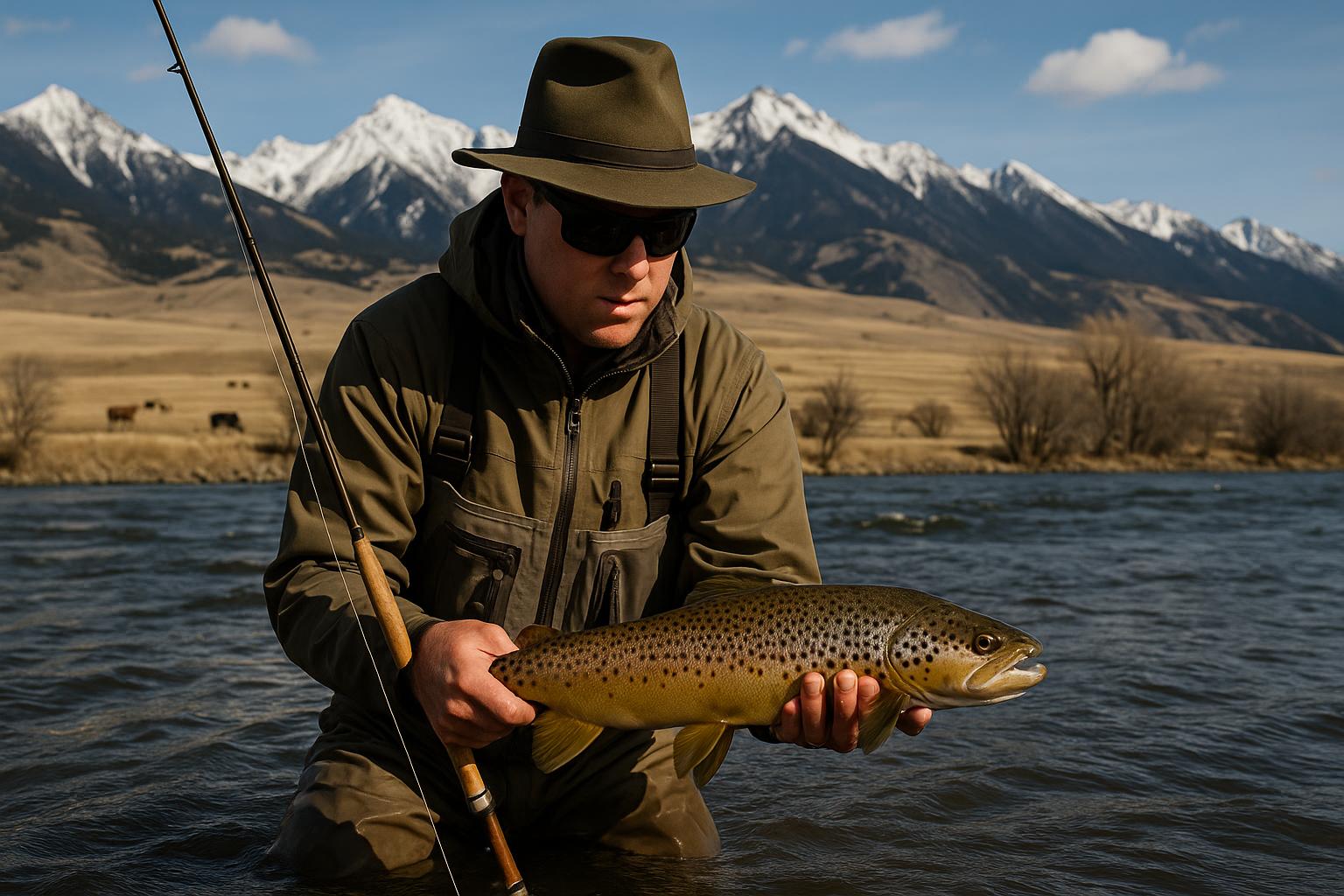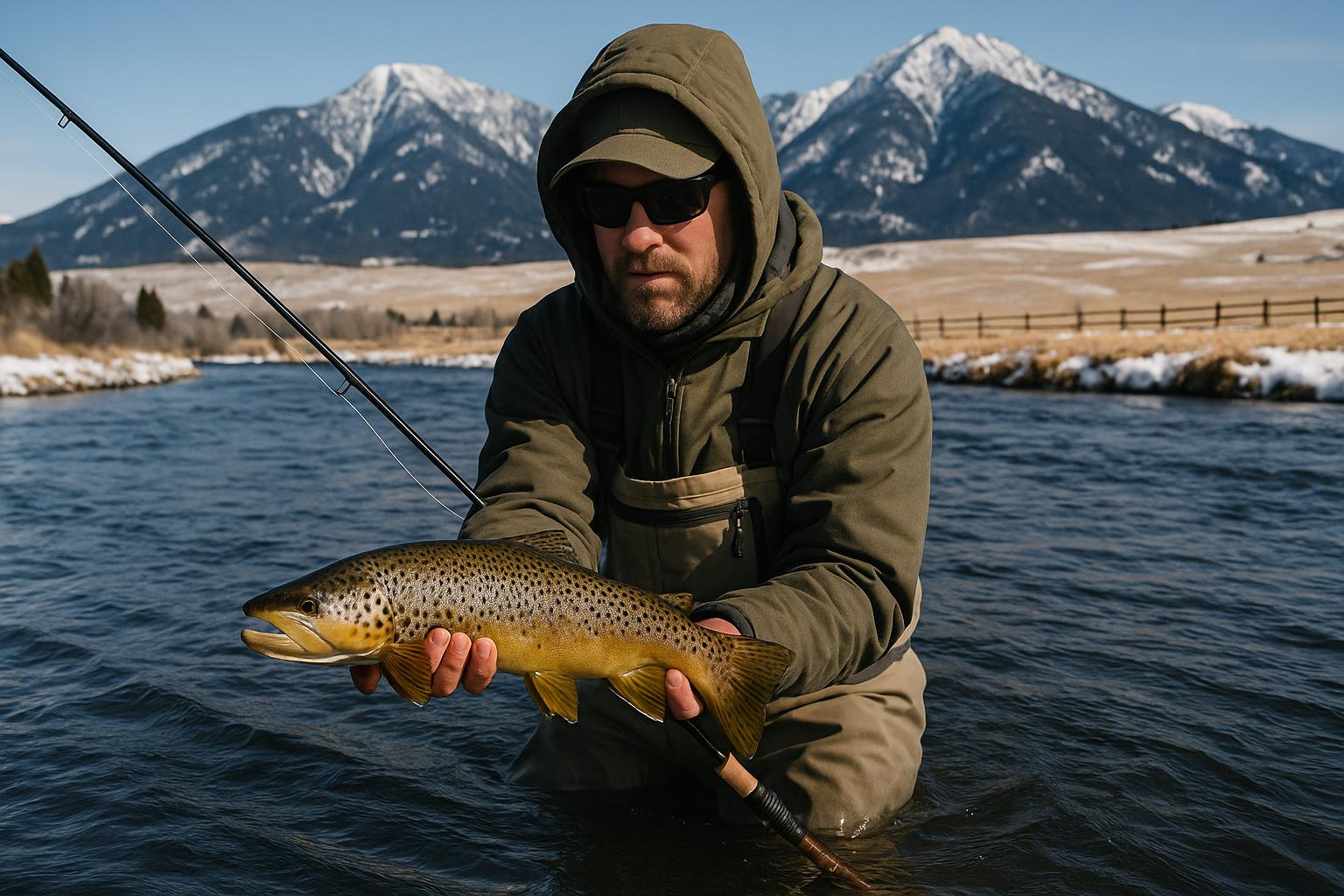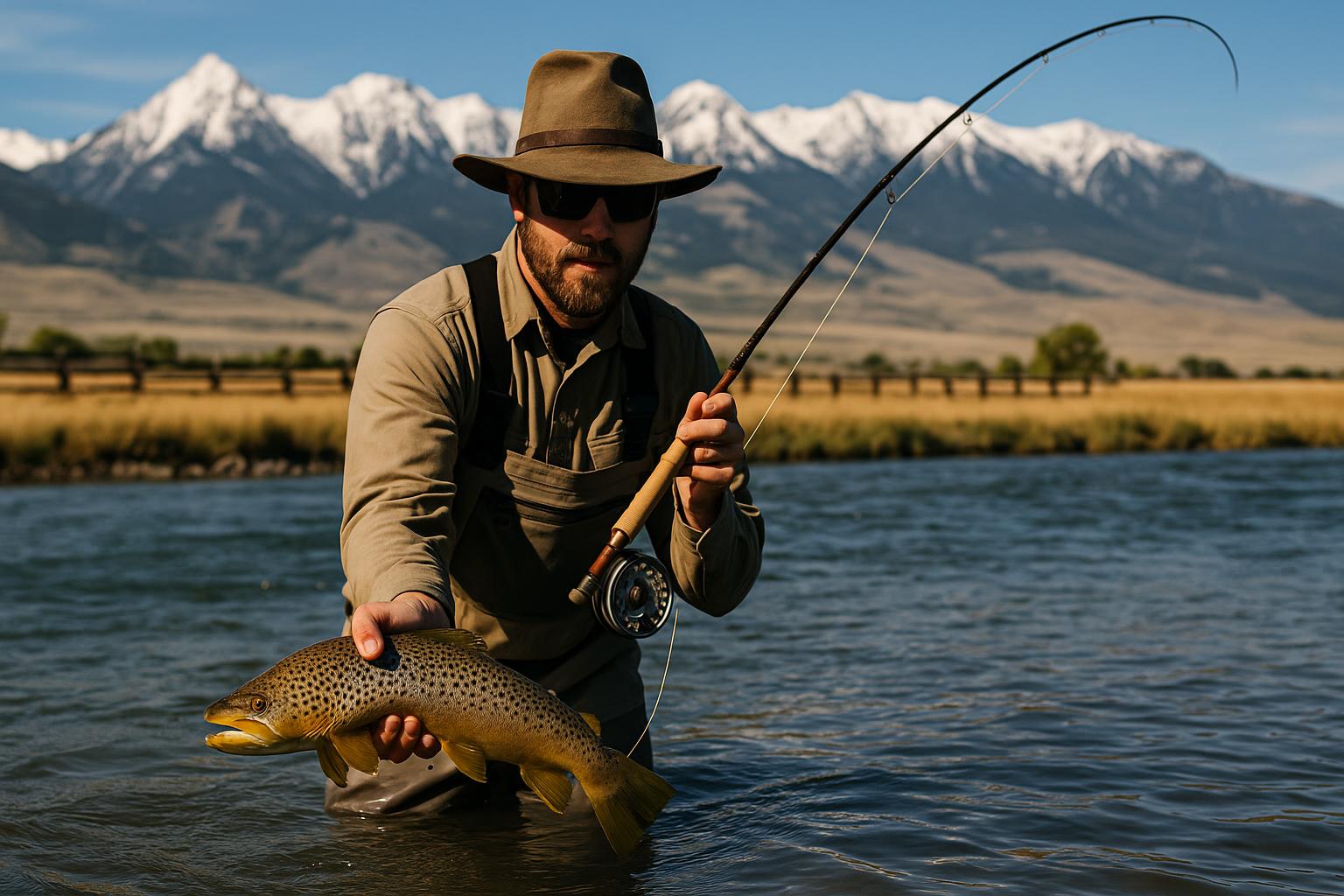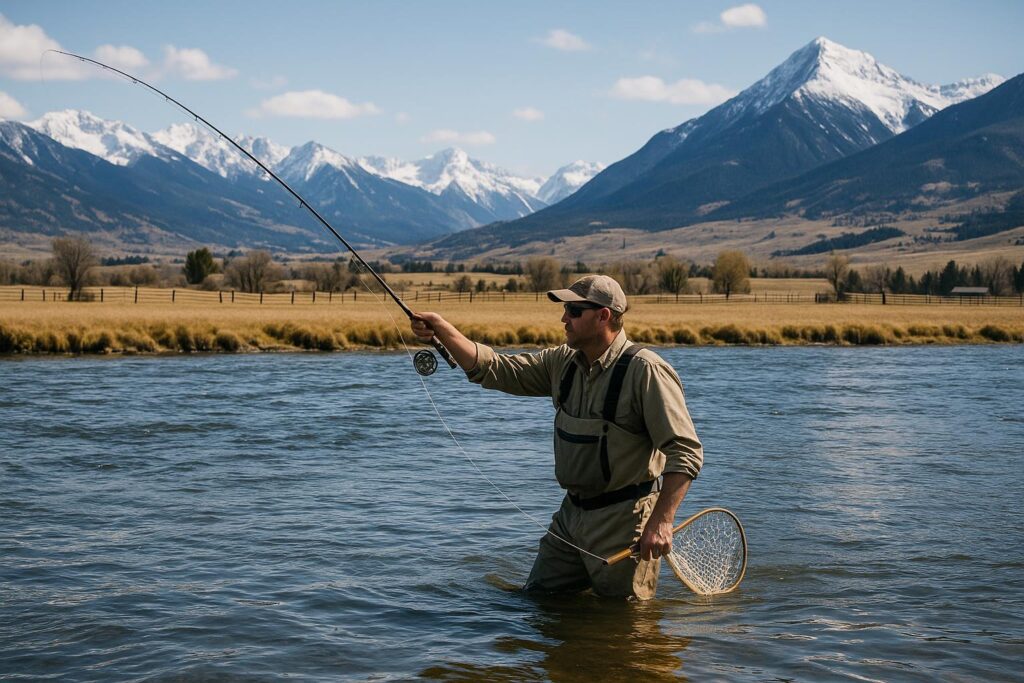
The Yellowstone is Montana’s biggest free-flowing river, and it can fish very differently from one town to the next. This report focuses on what anglers are seeing right now: general water condition trends, how clarity and temperature affect the bite, and a practical short list of patterns and tactics that tend to hold up from Gardiner through Livingston, Big Timber, Columbus, and down toward Billings.
Note: River conditions can change fast with snowmelt, rain, and irrigation demand. For the most current flow numbers and gauges, check the USGS Montana real-time water data and local access updates before you launch.
Current river conditions (what anglers are reporting)
Reports indicate the Yellowstone is in a typical shoulder-season pattern: stretches of solid clarity can be followed by a quick bump in color after wind, rain, or warm afternoons that accelerate runoff. In many years, the river transitions from “technical and clear” to “high and pushy” over a short window, and that transition often starts upstream and works downstream.
- Flow: Expect variability by reach and day. When flows are rising, bank edges and soft seams become more important than mid-river holding water.
- Clarity: A green tint can still fish well; heavy mud typically pushes anglers toward slower water, bigger profiles, and more scent/contrast (in non-fly contexts) or brighter flies.
- Water temperature: Temperature swings drive feeding windows. When mornings are cold, action often improves late morning through afternoon as water warms a few degrees.
If you want a quick reality check at the ramp: watch the foam lines and leaf drift. If surface speed looks fast and debris is moving hard, plan on fishing slower edges, inside bends, and any structure that breaks the current.
Hatches and bug activity to watch
The Yellowstone’s hatch picture depends on elevation and weather. Up near Gardiner and Livingston, colder nights can delay consistent surface activity, while the lower river can see earlier daily windows. Reports indicate that when the river is moderately clear, you’ll see a mix of mayflies and caddis activity on calmer afternoons, with midges present most days.
- Midges: Reliable in slower water and side channels. Look for subtle dimples and sippers in tailouts.
- Mayflies: Blue-winged olive-type mayflies can show during overcast or drizzly periods. Even when you don’t see many adults, nymphs can be a steady producer.
- Caddis: When caddis show, the river can turn on quickly—especially along willows and grassy banks in the afternoon.
Not seeing bugs? That’s common on bigger water. On the Yellowstone, it often pays to fish “as if” there’s a hatch: nymph the likely water, then switch to dries if you spot consistent risers.
Best bets: flies, lures, and presentations
This is a working list meant for real-world river conditions—wind, variable clarity, and mixed water types. Adjust size and weight to match depth and speed.
Fly anglers: a practical Yellowstone rotation
- Nymph rigs: Two-fly nymphing with a stonefly-style nymph plus a smaller mayfly nymph is a staple. Add weight as needed to tick bottom in the seam (not dredge constantly).
- Soft hackles and emergers: When fish are feeding just under the surface, a swung soft hackle can outfish indicator rigs—especially in softer runs.
- Streamers: In off-color water or on windy days, streamers can be the most consistent option. Focus on banks, drop-offs, and slower inside edges.
- Dry-dropper: When you see sporadic rises, a buoyant dry with a small nymph below covers water efficiently and helps you locate fish.
Color and contrast: In clear water, natural tones and smaller profiles tend to get more looks. As the river stains up, darker silhouettes (black, olive, brown) and a touch of flash can help fish find the fly.
Spin anglers: cover water, use the edges
For anglers throwing hardware, the Yellowstone rewards a “keep moving” approach. When flows are up, fish are often tight to shore or tucked behind current breaks.
- Spinners: Classic in-line spinners work well when the river has a little color. Vary blade size with speed—bigger blades for slower edges, smaller for faster seams.
- Spoons: Useful in deeper runs and when you need longer casts from shore access points.
- Jigs/soft plastics: In slower side channels, a jig can be effective when fish are holding near the bottom.
Whatever you throw, prioritize safe wading and stable footing. The Yellowstone’s cobble can be slick, and high water can make “one more step” a bad decision.
Where to focus: reach-by-reach tendencies
Conditions shift as the river gains tributaries and volume. This isn’t a map of “secret spots”—just a sense of how the river often sets up.
- Gardiner to Livingston: Generally faster and colder. When flows rise, fish the bank edges, eddies, and softer buckets. Nymphing and streamers are common producers.
- Livingston to Big Timber: A mix of classic runs and broad riffles. On stable days, you can find midday surface windows; on rising water, keep it simple with heavier nymph rigs or streamers.
- Big Timber to Columbus: Bigger water, more side channels in places, and lots of room to spread out. Wind can be a factor—carry options that cast well.
- Columbus to Billings area: Often warms earlier and can fish well when the upper river is cold. Shore anglers can do well here by targeting inside bends and slower margins.
For public access planning, Montana’s Stream Access Law is a key tool, but it comes with boundaries and responsibilities. Review the state’s guidance at Montana Fish, Wildlife & Parks Stream Access.
Timing: when to be on the water
On many spring and early-summer days, the Yellowstone’s best fishing happens in a shorter daily window than anglers expect.
- Cold mornings: Start with nymphs deep and slow; expect a slower first hour or two.
- Late morning to mid-afternoon: Often the most consistent feeding window as water temperatures climb.
- Evening: Can be excellent when bugs show and winds lay down, but keep an eye on visibility and wading safety.
Safety, etiquette, and conservation notes
The Yellowstone is powerful water. When it’s high, it’s not forgiving. A few reminders that matter every season:
- Wear a wading belt and consider a wading staff, especially on unfamiliar cobble bars.
- Give boats room at ramps and avoid anchoring in heavy traffic lanes.
- Handle fish quickly and keep them in the water as much as possible, especially if temperatures climb. If you’re unsure about current restrictions or advisories, check Montana Fish, Wildlife & Parks for updates.
What this means for Montana
The Yellowstone isn’t just a destination fishery—it’s a working river that runs through ranch country, small towns, and some of the state’s busiest recreation corridors. When flows and temperatures swing, it affects more than anglers: outfitters adjust schedules, local businesses see changes in traffic, and landowners and irrigators watch the same weather patterns that determine whether the river clears or muddies.
For anglers, the takeaway is straightforward: be flexible and fish the conditions you have, not the ones you hoped for. Keep a couple of plans in your pocket—nymphs for cold or clear water, streamers for stain and wind, and a dry-dropper for those short windows when the Yellowstone looks like it’s about to pop.
Inspiration: www.montanaangler.com