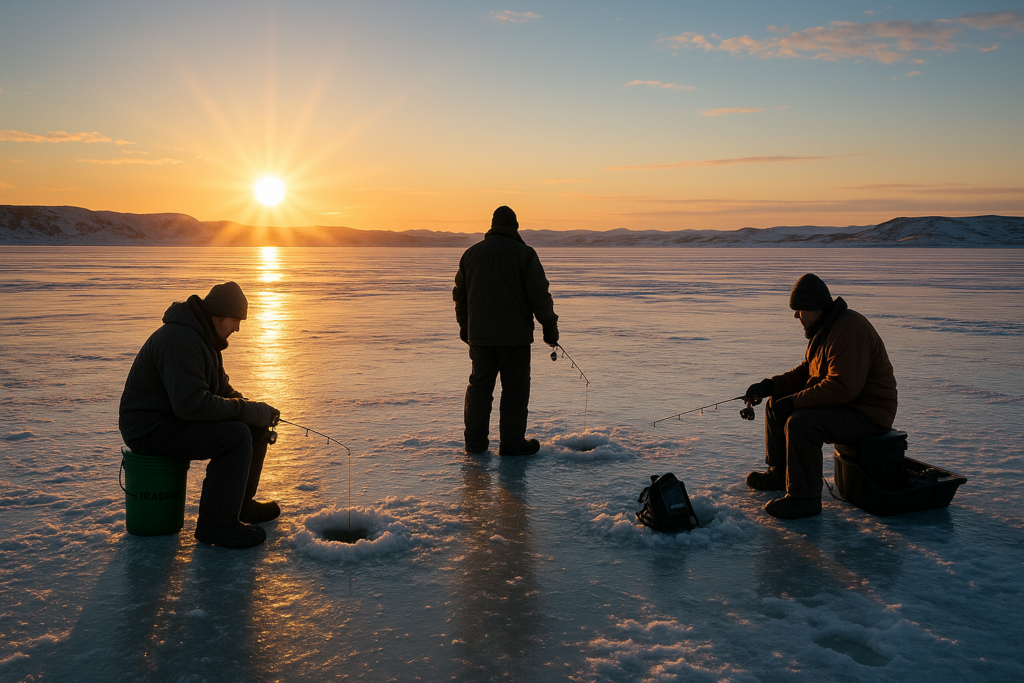
As a warm front approaches, Fort Peck’s ice fishing community is on high alert. Anglers are reporting solid lake trout (lakers) action in deep water around Rock Creek—while at the same time keeping a close eye on ice safety as temperatures rise.
Key Takeaways
- Lake trout are being caught around Rock Creek in 65 to 80 feet of water.
- Electronics are playing a major role in locating and catching fish in deep water.
- The warm front moving through Montana is raising concerns about ice stability.
- March is often a transition period for ice, but this year’s warming is arriving earlier and more pronounced.
- Anglers are being urged to monitor conditions closely and prioritize safety measures on the ice.
What’s Happening
In this week’s Fort Peck fishing report, anglers are reporting successful catches of lake trout in the Rock Creek area. Fishermen are targeting depths between 65 and 80 feet, where the lakers are currently congregating. The use of electronics has been crucial in locating and successfully catching these elusive fish.
Despite the success, the warm front sweeping through Montana this week is casting a shadow over the fishing activities, as temperatures threaten to undermine ice stability.
Traditionally, March marks a transitional period for ice conditions across the region. This year, however, the shift is more pronounced as warmer temperatures arrive earlier than usual. This has prompted local authorities and seasoned fishermen alike to advise caution and preparedness, ensuring that all safety measures are observed while out on the ice.
Why It Matters
The importance of understanding and respecting ice conditions cannot be overstated. As temperatures rise, the structural integrity of the ice is compromised, posing a significant risk to those venturing onto it. Fort Peck, known for its robust ice fishing season, is not immune to these natural changes, and the community must adapt.
For many, ice fishing is not just a pastime but a critical component of local culture and economy, attracting enthusiasts from across the state and beyond.
Moreover, the presence of lake trout in deeper waters suggests changes in their behavior possibly linked to environmental factors. Understanding these patterns can aid in better management and conservation efforts for the species, ensuring sustainable fishing practices.
The Bigger Picture
Fort Peck Reservoir, a man-made lake in northeastern Montana, has long been a bastion for ice fishing. The reservoir covers over 245,000 acres, making it one of the largest bodies of water in Montana. Ice fishing here is a tradition that dates back decades, contributing significantly to local tourism and the economy.
Each year, the reservoir sees thousands of anglers, drawn by the promise of catching various fish species, including walleye, northern pike, and lake trout.
Historically, ice conditions have been relatively stable through early March, but climate trends indicate a shift. Data from recent years show a trend toward earlier warming periods, impacting not just fishing but also other winter activities. These changes highlight the need for adaptive strategies in recreational planning and natural resource management.
What to Watch For
Looking ahead, anglers and local authorities will need to monitor weather forecasts closely. The immediate concern is the stability and safety of the ice, with potential implications for both the remainder of the ice fishing season and the broader ecological health of the reservoir.
Fishermen are advised to check ice conditions regularly and consider alternative fishing methods or locations as necessary.
Additionally, watching the behavior and movement of lake trout and other species during this warm period can provide valuable insights. These patterns may offer clues about the broader impacts of climate change on aquatic ecosystems. As the season progresses, updates from local authorities and experienced anglers will be crucial in guiding safe and successful fishing practices.
Article based on the original report from Montana Outdoor.
Related Reading
- Montana fishing reports: weekly updates by region
- Ice fishing hub: tips, safety, and seasonal gear
- Montana outdoors news: weather, wildlife, and recreation
- Ice fishing safety checklist: what to carry and how to assess conditions
- How to use electronics for ice fishing: finding fish in deep water
- Lake trout guide: behavior, tactics, and seasonal movement
- Walleye at Fort Peck and beyond: seasonal patterns and methods
- Northern pike fishing in Montana: where to go and what to throw
Frequently Asked Questions
How thick should the ice be for safe ice fishing?
For safe ice fishing, the ice should be at least 4 inches thick for walking and 5–7 inches for snowmobiles or ATVs.
Where are anglers catching lake trout right now at Fort Peck?
This week’s report highlights the Rock Creek area, with anglers finding lake trout holding in deeper water.
What depths are producing lake trout at Fort Peck this week?
Anglers are targeting depths ranging from 65 to 80 feet, where lakers are currently congregating.
How does a warm front affect ice fishing conditions?
A warm front can weaken ice by melting its surface and edges, making conditions unsafe for fishing.
Why are electronics important for catching lake trout in deep water?
The report notes that electronics have been crucial for locating lake trout and fishing effectively at 65–80 feet.
When is the best time for ice fishing in Fort Peck?
The best time for ice fishing in Fort Peck is typically from December to February, when ice conditions are most stable.
What safety precautions should be taken when ice fishing?
Always check ice thickness, wear proper safety gear, carry ice picks, and fish with a partner for increased safety.
What should anglers watch for in the coming days?
Anglers are advised to monitor forecasts and check ice conditions regularly as temperatures threaten ice stability.