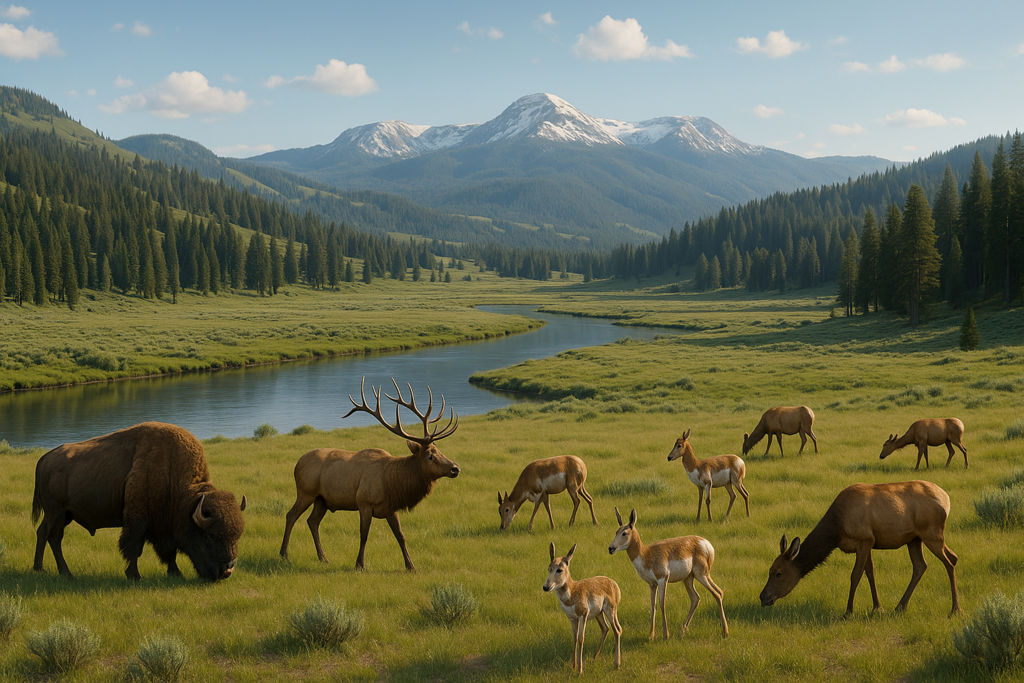
Rumors are swirling, but the wildlife of Yellowstone National Park remains as rooted as ever. Despite sensational claims, there is no animal exodus from Yellowstone signaling an impending volcanic eruption. This myth has captured the public’s imagination, but experts are quick to quash these unfounded fears with science and observations.
What’s Happening
The recent buzz on social media has suggested that animals are fleeing Yellowstone National Park to escape an imminent volcanic eruption. Videos and images purportedly showing wildlife on the move have gone viral, sparking concern among the public. However, park officials and scientists have confirmed that these claims are baseless. No unusual animal behavior indicative of an eruption has been observed. Yellowstone’s geothermal activity, while significant, is closely monitored, and no current data supports the notion of an impending volcanic event.
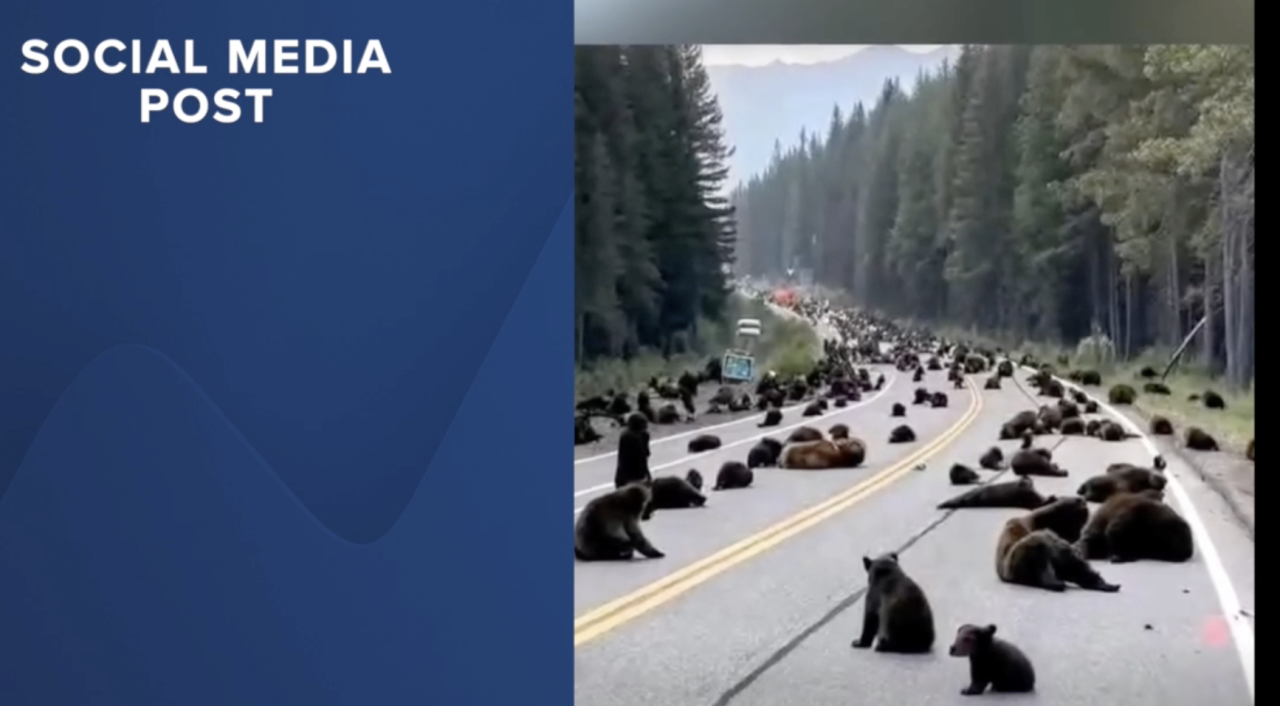
Experts from the U.S. Geological Survey (USGS) and Yellowstone Volcano Observatory (YVO) emphasize that animal behavior alone is not a reliable indicator of volcanic activity. The park is home to a dynamic ecosystem with wildlife movements driven by seasonal changes and resource availability, not an impending disaster.
Why It Matters
The spread of misinformation about Yellowstone’s wildlife and volcanic activity can have significant implications. It highlights the power of social media in shaping public perception and the challenges in managing misinformation. The fear of a volcanic eruption can affect tourism, local economies, and public confidence in scientific assessments. This episode underscores the importance of relying on credible sources for information about natural phenomena and the role of scientific institutions in communicating risks accurately.
Moreover, perpetuating myths about animal behavior can detract from understanding the real indicators of volcanic activity. Experts rely on a combination of seismic activity, ground deformation, and gas emissions to assess volcanic threats, all of which remain within normal ranges at Yellowstone.
The Bigger Picture
Yellowstone National Park sits atop a supervolcano, a fact that has long fascinated and sometimes alarmed the public. While the potential for a future eruption exists, the likelihood of it occurring in our lifetime is exceedingly low. The last major eruption occurred over 640,000 years ago, with smaller eruptions 70,000 years ago. Current monitoring technologies allow scientists to detect early signs of volcanic activity, providing ample warning for any necessary actions.
The park’s geothermal features, such as geysers and hot springs, are surface expressions of underlying volcanic activity, yet they function independently of the deeper magmatic processes. Understanding this distinction helps clarify that routine geothermal activity does not equate to imminent volcanic eruptions.
What to Watch For
Going forward, the focus should remain on scientific data and expert analysis. Visitors to Yellowstone can continue to enjoy its beauty and biodiversity, assured by the park’s rigorous monitoring systems. Those concerned about volcanic activity should look to updates from the USGS and YVO, which provide accurate and timely information on Yellowstone’s geological status.
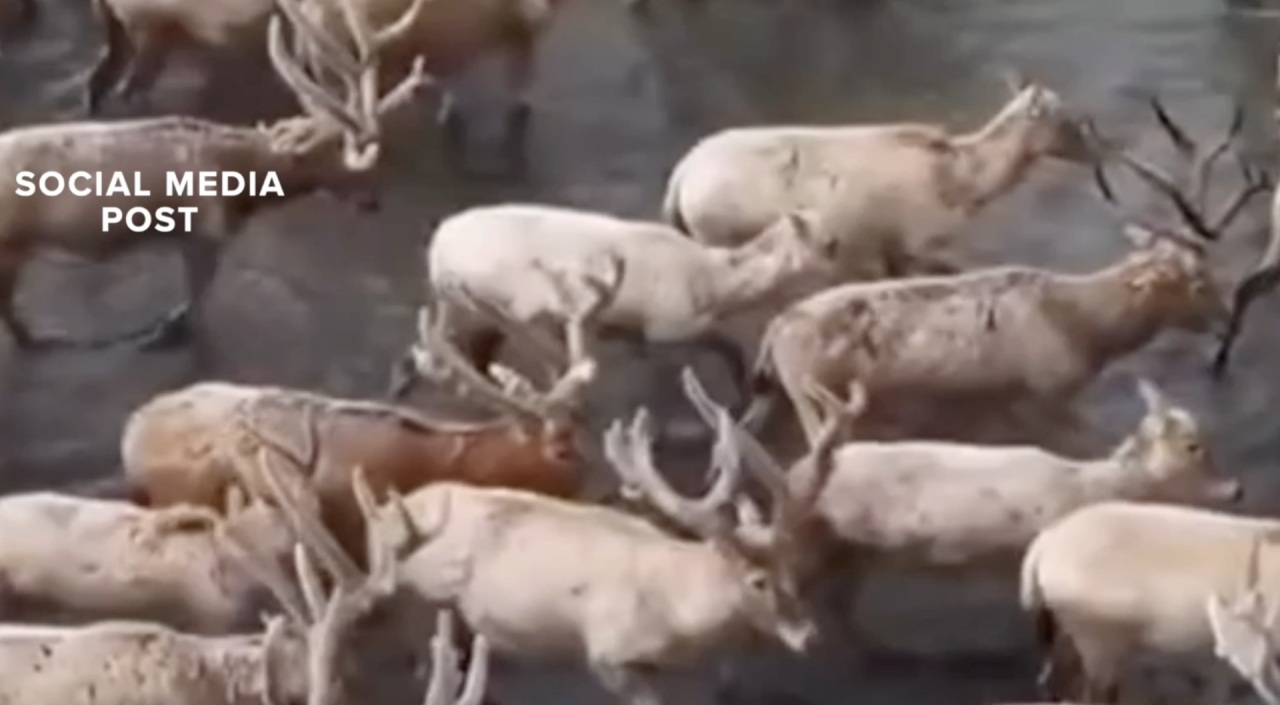
Staying informed through reputable channels will help prevent unnecessary panic and ensure that the public can distinguish between sensationalism and science.
For more details on the current status of Yellowstone and its wildlife, visit the original report by KRTV.
Frequently Asked Questions
Are animals really fleeing Yellowstone?
No, there is no evidence that animals are fleeing Yellowstone due to any volcanic threat.
What are the signs of a volcanic eruption at Yellowstone?
Signs include increased seismic activity, ground deformation, and gas emissions. None are currently elevated.
How often does Yellowstone’s supervolcano erupt?
Major eruptions are extremely rare, with the last occurring over 640,000 years ago.
How is Yellowstone monitored for volcanic activity?
It is monitored by the USGS and YVO using seismic, deformation, and gas emission data.
What should I do if I hear about a volcanic threat at Yellowstone?
Check updates from reliable sources like USGS and YVO for accurate information.
Source: KRTV