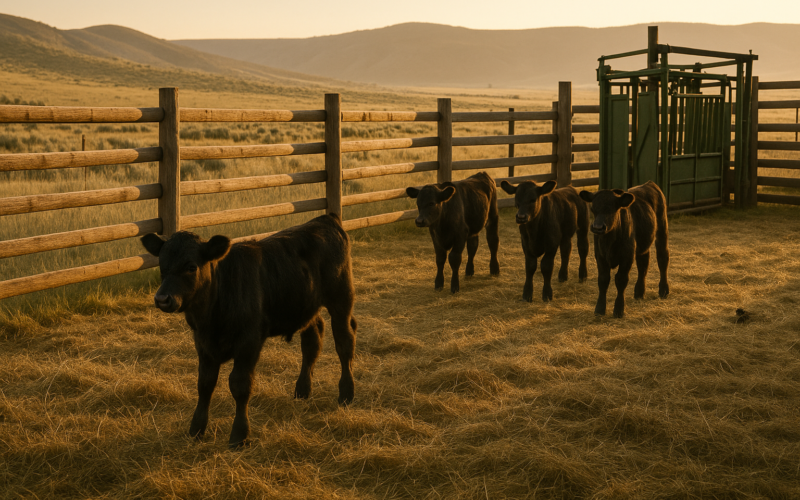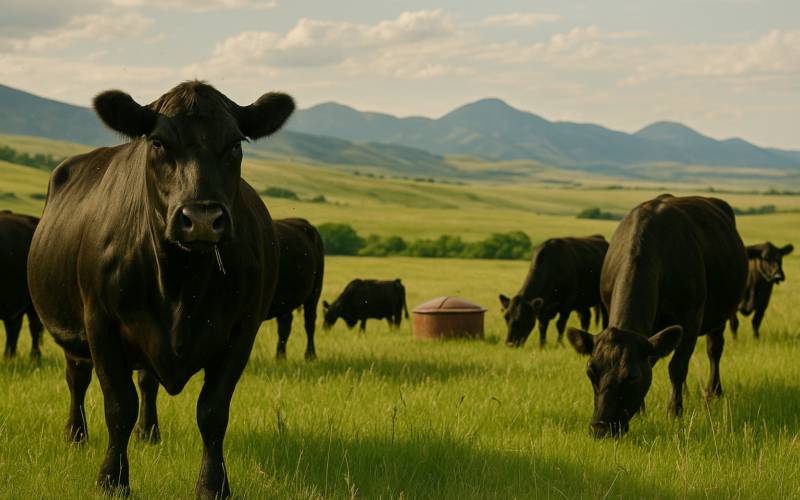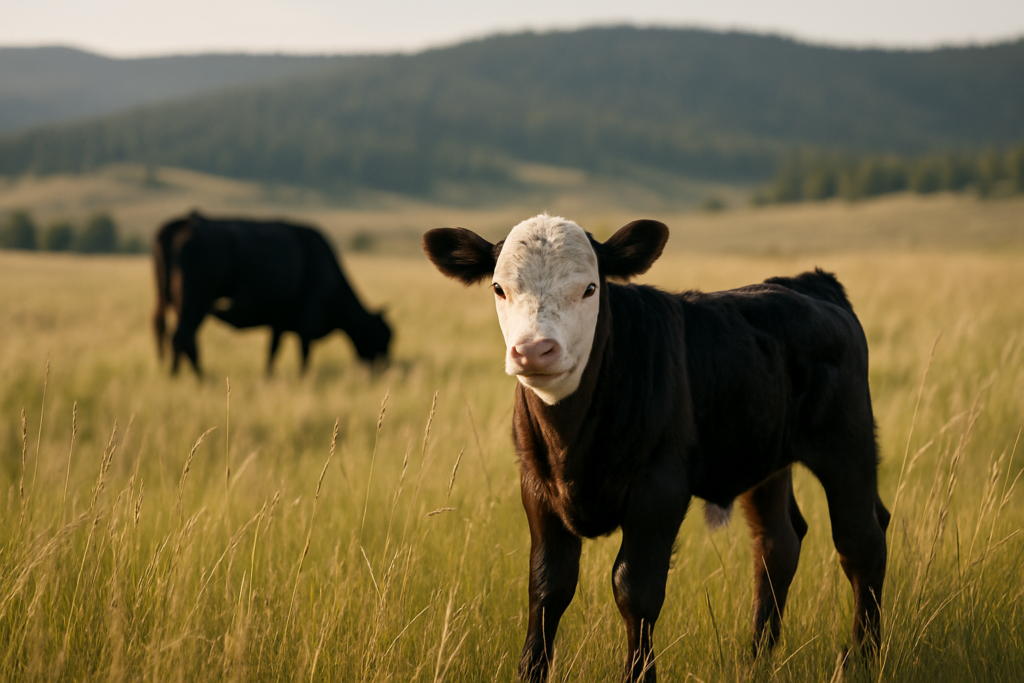
Most outfits brace for sickness in the spring calving lot and again at weaning. The stretch in between gets treated like a free ride. Calves are on grass, nursing big-producing cows, gaining fast — what’s there to worry about? Then sometime in late June or July a producer rides through and finds a two-month-old calf standing off by itself, ears down, breathing hard, not following the cow. By the time you notice the second one, you’ve usually got a problem moving through the bunch.
Summer pneumonia is real, and it catches people because it lands on calves that looked bulletproof a week earlier. These are nursing calves, generally two to four months old, that come down with bronchopneumonia out on summer range. It doesn’t behave like the respiratory trouble you see at weaning, and that’s exactly why it slips past.
Why healthy-looking calves go down
A nursing calf is born with whatever protection it pulled out of the colostrum. That borrowed immunity fades over the first couple of months, and the calf’s own immune system hasn’t fully taken over yet. There’s a window — call it the second and third month of life — where the calf is short on both. Drop a stress on top of that gap and the bugs that live in every herd get the upper hand.
The stresses are the ordinary stuff of a Montana summer. A cold driving rain followed by a hot afternoon. Dust hanging over a bedground in a dry July. Hauling pairs to a forest allotment and trailing them in heat. Heavy fly pressure that keeps calves bunched and bawling instead of resting. Anything that runs them down or crowds them together moves the odds. Pinkeye and any low-grade scours going through the calves at the same time will add to it.
The hard part is that these pairs are spread across big country. Nobody’s eyeballing every calf twice a day the way you would in a calving lot. A calf can be sick for a couple of days before anybody catches it, and a couple of days is plenty of time for permanent lung damage.
What to look for from the saddle or the side-by-side
You’re not going to take temperatures on open range, so you ride looking for behavior. The first tell is a calf that won’t get up and follow when the cow moves off, or one that’s parked by itself away from the bunch. Watch the breathing — fast, shallow, or with an obvious push from the flank. A snotty nose, a wet cough when they finally do move, ears that droop, a gaunt look because the calf has quit nursing. By the time a calf is grunting with each breath, it’s well along.
If you can get a calf in and stick a thermometer in it, a fever well above normal confirms what you’re seeing. Catch it at the droopy-ear, off-by-himself stage and you’ve got a calf that treats well and stays in the herd. Catch it at the open-mouth-breathing stage and you’re often treating to save a poor-doing calf, not a sound one.
Treatment is a conversation for your vet, not a recipe to copy out of an article — the right antibiotic, dose, and whether to add an anti-inflammatory all depend on your situation and what’s worked in your country. The point worth hammering is that early treatment on a calf still on its feet beats anything you do once it’s down.
Keeping it from running through the bunch
The best defense is the boring kind. Don’t crowd pairs onto a dusty, overused bedground when you’ve got room to spread them. Time your hauling and trailing for the cool part of the day in hot weather. Keep fly pressure knocked down so calves rest instead of piling up. Make sure that mineral program is actually getting eaten, because trace minerals like copper and selenium feed the immune system that’s trying to come online in these calves.
Vaccination going into summer is worth a hard talk with your vet, especially if you’ve been burned by summer pneumonia before. Some outfits in higher-risk country vaccinate calves for the common respiratory viruses and bacteria at branding or turnout. Whether that pencils out for you depends on your history and your handling setup — there’s no sense gathering pairs an extra time if you’ve never seen the disease.
When you do find a sick one, look harder at the rest. Summer pneumonia rarely shows up as a single calf. Treat the one you found, then ride the bunch slow over the next several days watching for the next droopy set of ears. Catching the second and third calf early is what keeps this from becoming a wreck you’re still patching at weaning.