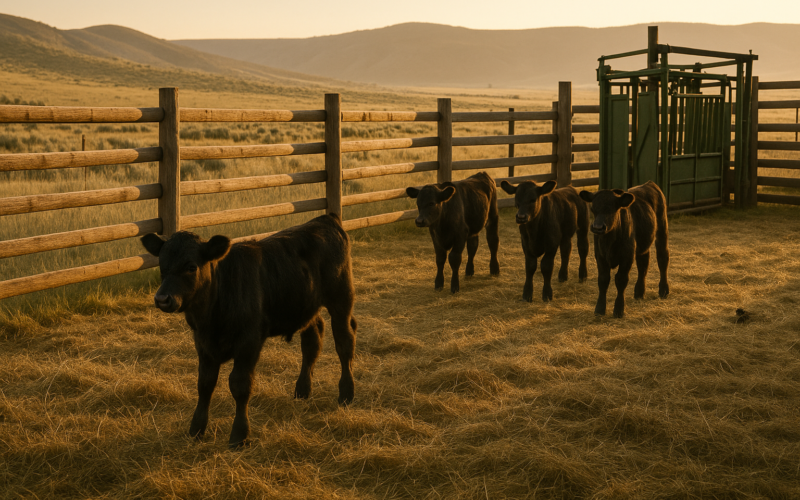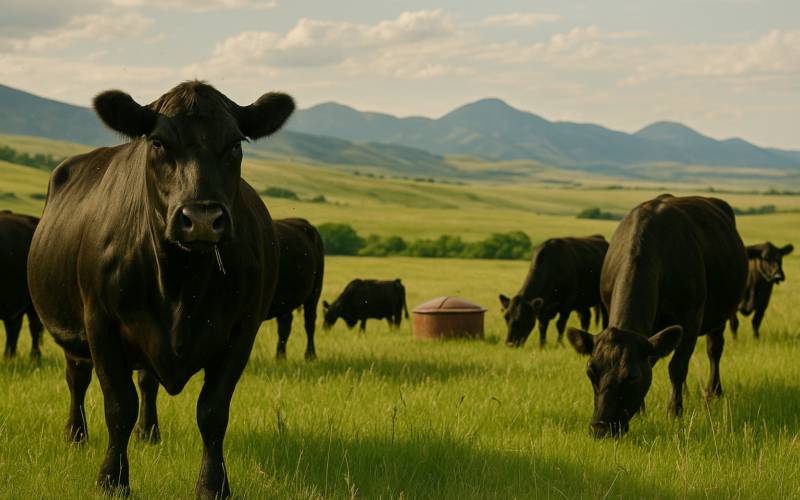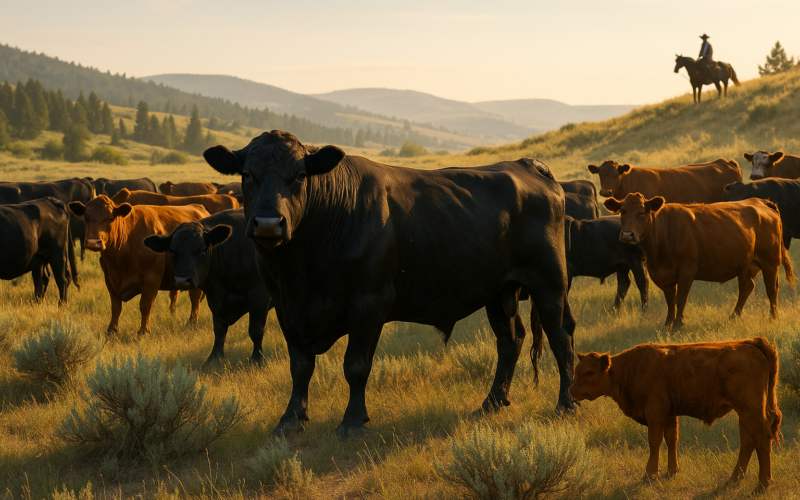
You know the scene. Green-up finally hit hard, the cows are on grass that grew six inches in a week, and one morning you find a good cow down in a draw, legs paddling, or already dead with the ground torn up around her. No sign of bloat, no scours, nothing you can point at. That’s grass tetany, and it has a nasty habit of taking the cows you’d least want to lose.
Grass tetany is low blood magnesium. It shows up when cattle graze lush, fast-growing cool-season grass and the plant simply doesn’t hand over enough usable magnesium to keep up with what a lactating cow burns. Older cows nursing big calves are the classic victims, because they’re pulling magnesium out of their system to make milk and their bodies don’t mobilize reserves the way a young cow’s does. The high-country and late-green-up country in Montana keeps this risk alive well past when the valley floors have dried out, so it’s still worth watching in June.
Why the lush pasture works against you
Fast-growing grass in cool, wet weather is the setup. Young, leafy cool-season grasses tend to run low in magnesium and calcium and high in potassium and nitrogen, and that combination blocks the animal’s ability to absorb what magnesium is there. It’s not that the grass is short on feed. The cow is grazing hard, filling up, and gaining, but the mineral math underneath is working against her.
A cold snap or a stretch of cloudy, wet days makes it worse. Cattle graze less during a raw spell, then eat harder when it breaks, and that swing seems to tip borderline cows over the edge. Heavily fertilized meadow regrowth and cereal pasture can be some of the worst offenders because of the potassium and nitrogen load. If you turned cows out onto rank spring growth on irrigated ground or a fertilized field, keep your eyes open.
What it looks like before she’s down
The trouble with tetany is that the early signs are easy to miss from a pickup. A cow in the early stage acts nervous and flighty, throws her head, walks stiff or high-stepped, and may separate from the bunch. As it progresses she staggers, goes down, and starts convulsing, and once she’s thrashing she’s an emergency. Plenty of producers never see the middle stage. They find the cow already dead, and the torn-up ground and dirt on her head tell the story.
If you catch one alive and down, this is a call-your-vet situation and a fast one. Treatment is intravenous or under-the-skin magnesium (usually a cal-mag product), and it has to go in carefully because too much too fast can stop the heart. A downed convulsing cow is dangerous to handle, so don’t get yourself hurt trying to drench or manhandle her. Get help and get the vet on the phone.
Keeping magnesium in front of them
The whole game is prevention, because by the time you’re treating one, you’ve probably already lost one. Magnesium isn’t stored well in the body, so cattle need it coming in daily during the risk window. That means a high-magnesium mineral, the kind often sold as a “hi-mag” or tetany mineral, out well before you turn onto lush grass and kept in front of them through the flush.
The catch is that magnesium oxide, the source in most of these products, tastes bad. Cows won’t line up for it the way they will for a molasses tub. Getting adequate intake is the real work:
- Start the hi-mag mineral two to three weeks ahead of the danger period so cows are already eating it when the grass takes off.
- Make it palatable and hard to ignore. Mixing with dried molasses, distillers, or a small amount of grain, or feeding a molasses-based hi-mag tub, helps intake. Follow the tag for your target daily amount.
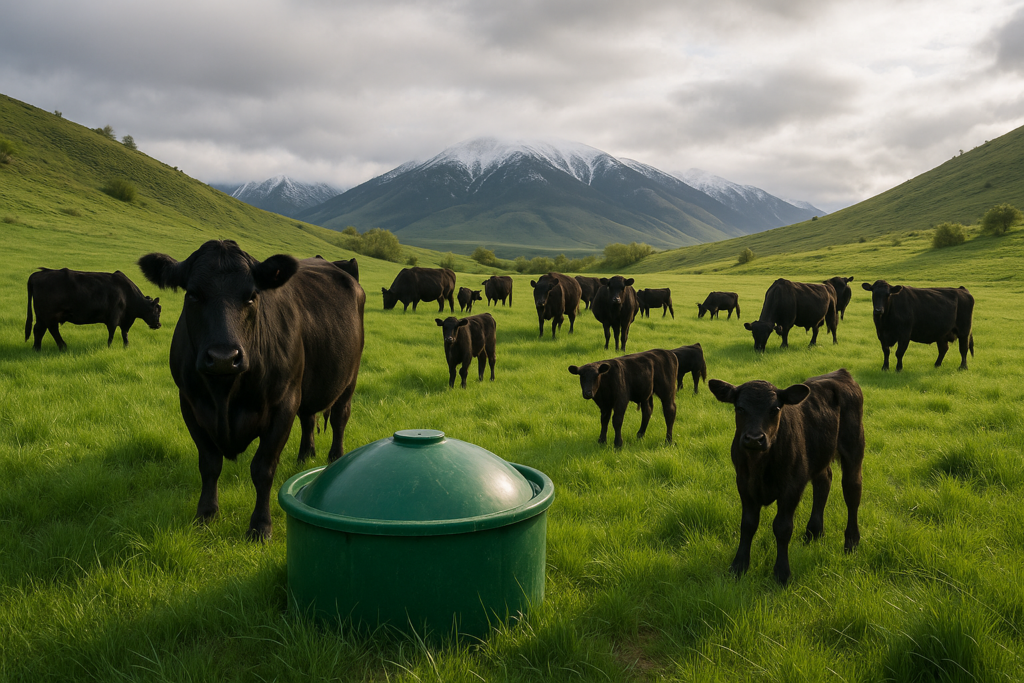
- Put feeders where cows actually loaf and water, not off in a corner they visit once a week. Move them as the herd shifts pastures.
- Check consumption honestly. Weigh what you’re putting out against how many head and how many days. If they’re not hitting the target intake, they’re not protected.
Keep it out until the grass matures and dries down and the risk passes. Once forage stems up and slows its growth, magnesium availability comes up and the pressure drops off.
None of this is expensive compared to a dead six-year-old cow with a calf at side. The producers who get burned are usually the ones who assumed their regular loose mineral had it covered, or who set the tetany mineral out the same day they turned cows onto the green. Get ahead of it, make sure they’re eating it, and keep an eye on your best cows when the grass is running away in a cold, wet spell.