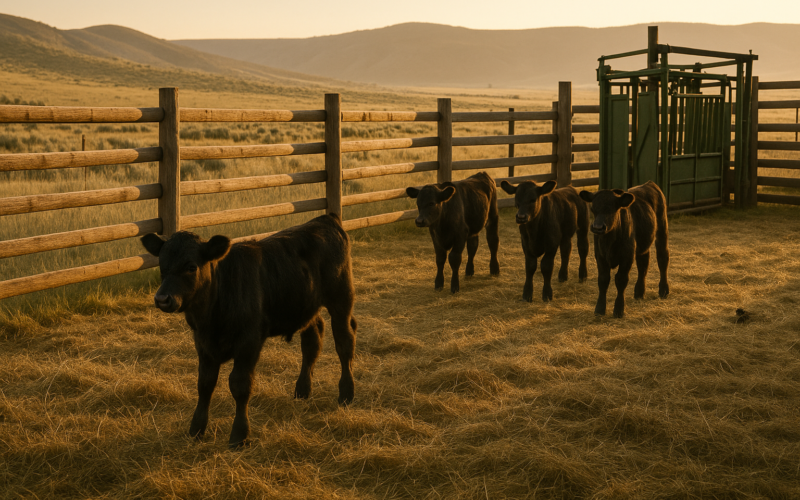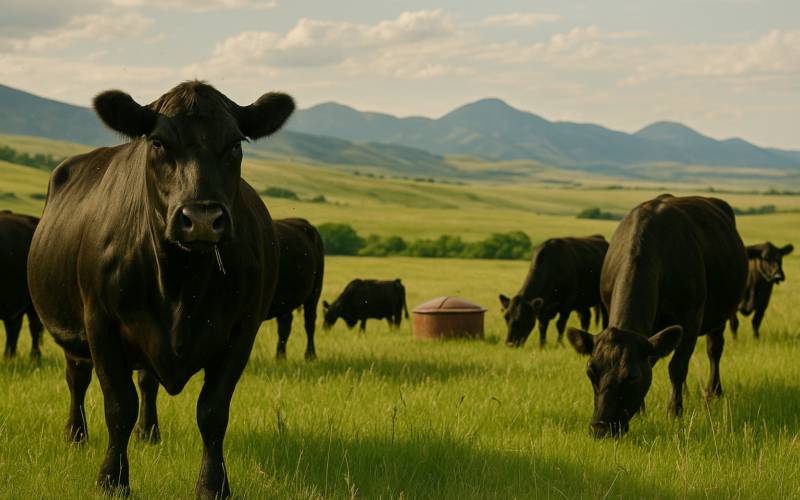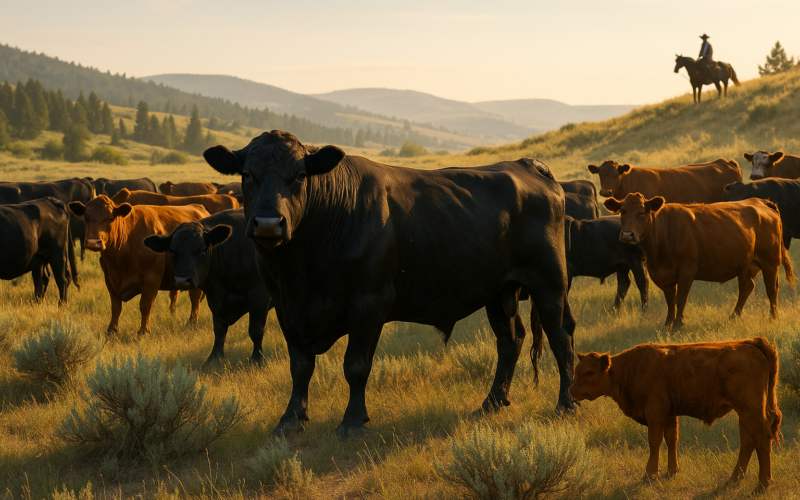
A June cold front can drop us into the 40s at daylight and the 90s by afternoon, and cattle feel every degree of that swing. The mistake most of us make isn’t ignoring the heat — it’s underestimating how long it lingers in an animal after the thermometer starts falling. A cow doesn’t cool off the minute the sun drops behind the Crazies. She carries the day’s heat into the night, and if the night stays warm, she starts the next day already behind.
That lag is the whole problem. Heat load stacks up over consecutive hot days, and the animals that struggle most are the ones you’d least expect to lose: the fleshy black cows, the heavy bulls, anything carrying a winter coat it hasn’t fully shed. Dark hides pull in more radiant heat, and a thick, greasy coat holds it. By the third or fourth day of a hot stretch with no cool night to bleed it off, those cattle are running on empty before noon.
Read the animals, not just the forecast
Cattle tell you they’re in trouble well before they go down. Watch the breathing first. Normal cattle at rest breathe easy and quiet. Under heat load you’ll see the rate pick up, then open-mouth breathing with the tongue out, then heavy panting where the whole flank works and the head drops. An animal slobbering with its neck stretched out and its mouth open is in real distress, not just warm.
Where they stand tells you plenty too. Cattle bunching along a fence line, crowding into the one patch of shade, or standing belly-deep in the stock tank are shedding heat any way they can. They quit grazing during the hot part of the day and try to make it up in the evening. If your morning ride shows cows already parked in the shade at nine o’clock instead of grazing, the heat got ahead of them the day before.
The humidity matters as much as the temperature. Cattle dump heat by breathing and by sweating a little, and both slow down when the air is heavy. A muggy 88-degree afternoon after an evening thunderstorm can be harder on them than a dry 95. Dry heat, the kind we get across most of the state, they handle better — but only if the nights cool off enough to let them recover.
Time your work for daybreak
If you have gathering, sorting, hauling, or doctoring to do in a hot spell, do it early and be done by mid-morning. Working cattle adds a big load of internal heat right on top of the ambient heat, and it doesn’t peak until well after you turn them out — often two to six hours later. So an animal you push through the chute at two in the afternoon may hit her real heat crisis at five or six, when you’ve already gone to the house.
Start at first light. Get them gathered, worked, and back on water before the sun gets high. If you can’t finish, quit and come back the next morning rather than pushing through the heat of the day. Hauling in the afternoon is the same trap — a loaded trailer standing still in the sun with poor airflow cooks the cattle packed in the middle.
Move them slow. A herd walked calmly to the corral generates far less heat than one trotted and pressured. Keep dogs off them in the heat, give them room, and let the tail-enders come at their own pace.
Water and air do the work
Water intake climbs sharply when it’s hot — a lactating cow can more than double what she drinks on a cool spring day. If your tank or the creek can’t keep up when the whole herd comes to drink at once, the boss cows get theirs and the timid ones and pairs come up short. Check that your float and your line can refill fast enough for a crowd, not just trickle in over an hour. A tank that runs dry for even part of a hot afternoon is a wreck waiting to happen.
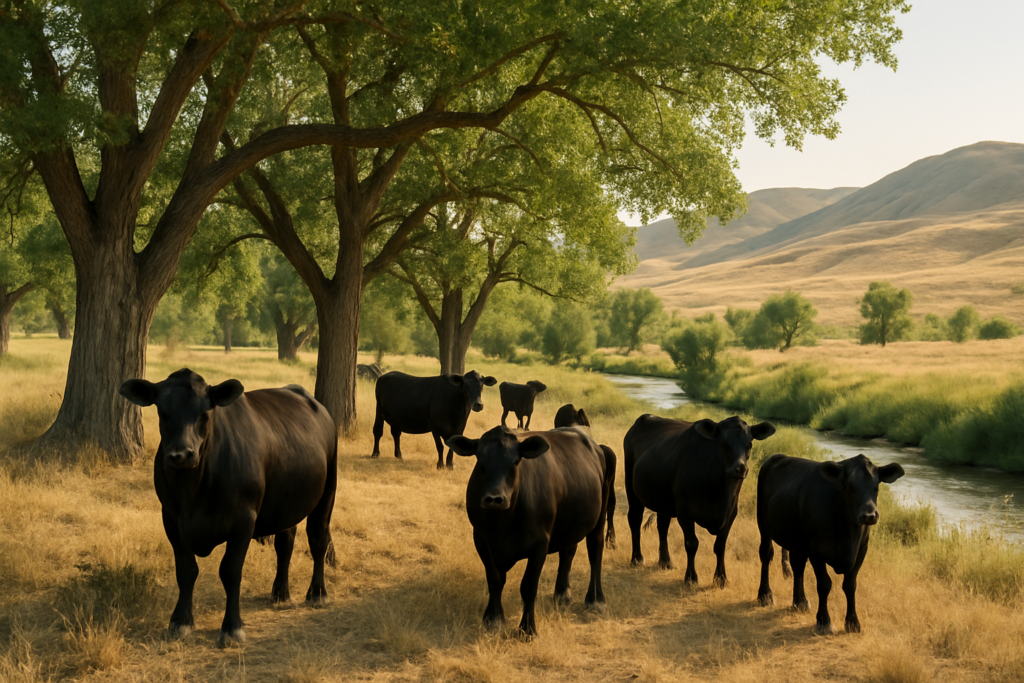
Shade helps, but only real shade — a cottonwood draw, a shelterbelt, a north-facing coulee. Cattle will use it, and if the only shade is one small clump, they’ll pile up in it and generate more heat crowding than the shade saves. Spread them across pasture with tree cover if you’ve got it.
None of this is exotic. It’s mostly about timing and watching. The cows that get in trouble in July usually got set up on a string of hot days when nobody slowed down and read them. Handle them at daybreak, keep water in front of them, and give the fleshy black ones the benefit of the doubt when the heat won’t quit.