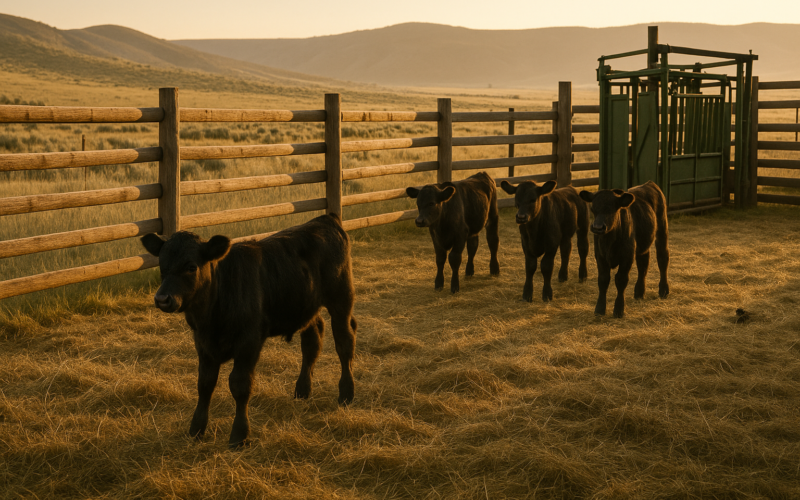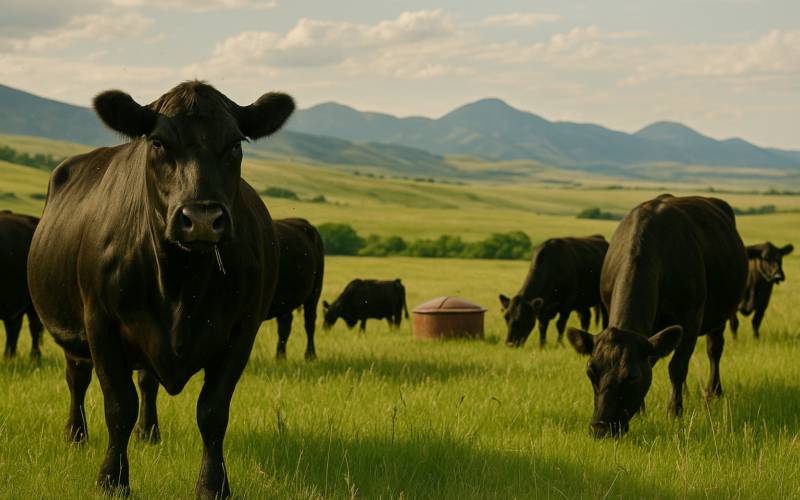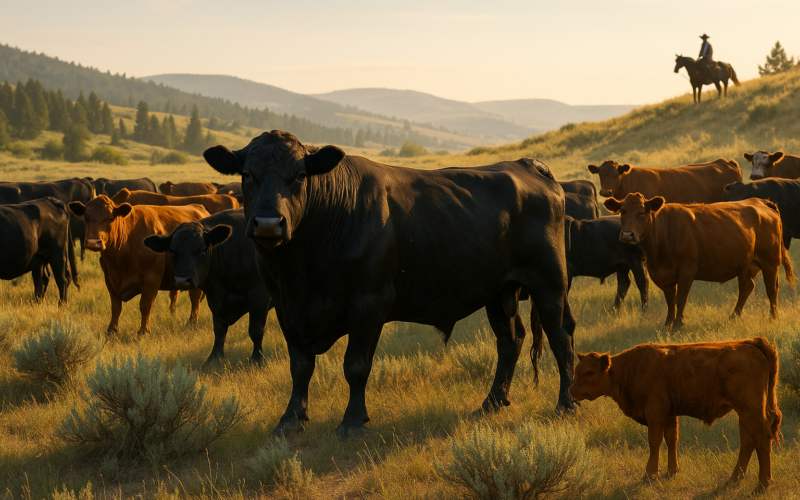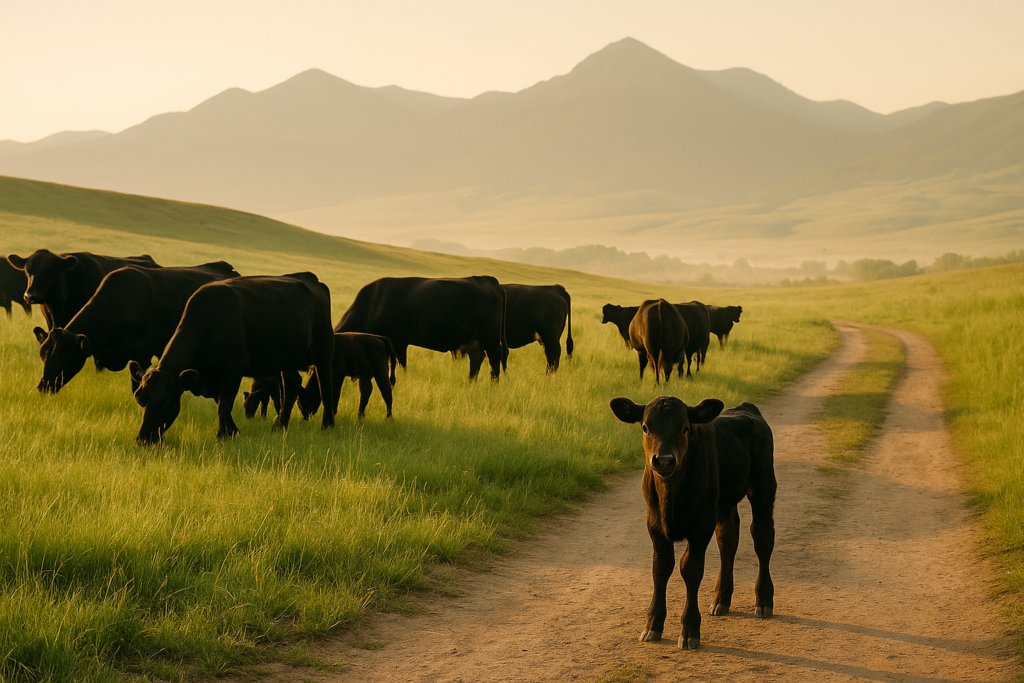
Most guys expect pneumonia in a February calving shed, not on a July hillside with the grass still green and every cow milking. But summer pneumonia in nursing calves is real, and it catches people off guard exactly because everything looks good. The calf is two, three, four months old, running with a healthy mother, and then one morning he’s standing off by himself with his ears down and his sides pumping.
By the time you notice, the disease has usually been working for a couple of days. That’s the frustrating part. A calf that age doesn’t act sick early. He keeps nursing and keeps up with the bunch until his lungs are far enough gone that he can’t hide it anymore. Then you’re treating damage instead of infection.
What sets it up out on grass
The bugs that cause it are the same ones you fight in the calving lot, and most calves are already carrying them. What tips a calf over is stress stacked on top of a fading immune system. Around two to four months, the antibodies a calf got from that first colostrum are wearing off, and his own immune system hasn’t fully taken over yet. That gap is the window.
Then add whatever the summer throws at him. A hot afternoon followed by a cold night. Dust when the herd bunches on a bare knob or hangs around the water. A hard rain that leaves them wet and chilled at 40 degrees in the high country. Hauling to summer range, sorting, or working through the chute for fly control and shots — anything that runs them around in the heat and stirs up dust. Cattle camping on a dusty trail to water breathe that grit all day, and it beats up the lining of the airway that’s supposed to keep the bugs out.
None of these on their own drops a calf. Stack two or three in the same week and you start seeing it.
Catching it before the lungs are ruined
You have to look at calves, not just count them. When you ride through, watch the ones lying down after the rest have gotten up to graze. Watch for a calf that’s slow to follow his mother, or one standing with his head low and ears drooped. Breathing is the tell — fast, shallow breaths, or a calf working hard through his flanks with his nose out. A snotty nose or a wet cough helps confirm it, but plenty of sick calves don’t show much drainage.
A calf running a fever off feed for a day already has lung tissue shutting down. That’s why the early sorting matters so much more than the drug you eventually reach for. A calf treated the first day he looks off usually bounces back. Wait until he’s gaunt and sucked up and breathing through his mouth, and you’re often just keeping him alive, not curing him.
If you pull one, treat it and get it back to its mother as quick as you can. A calf that misses milk for two days while penned up loses more than it gains. And if you’re finding sick ones, look at the whole group hard — summer pneumonia tends to run through several calves once the conditions are right, not just show up as a single.
What you can do ahead of it
The cheapest fix is managing the stress you control. Don’t work calves in the heat of the day when you can help it — the same cool-of-the-morning thinking that beats heat stress cuts pneumonia stress too. Keep water clean and keep enough of it that calves aren’t standing in a dusty, manure-packed hole to drink. Spread mineral and salt so the herd isn’t bunching in one dusty spot for hours.
A lot of outfits give calves a respiratory vaccine at branding or turnout, which is the right idea — you want protection built before the summer stress hits, not after calves are already sick. If pneumonia has bitten you in past summers, that’s worth a conversation with your vet about timing and which product fits your calving window. Vaccinating a bunch of calves the week they’re already breaking with it does very little.
Have a plan for pulling and treating before you find the first one. Know what you’ll use, know it’s in the fridge and not expired, and have a way to catch a big calf out on grass without running the whole herd through a mile of dust to do it. The producers who lose the fewest are the ones who spotted it early and had everything ready to go before they rode out.