Embarking on a journey of 150 miles isn’t just physically demanding; it’s a testament to human resilience and connection with nature. This year, a unique pilgrimage sees participants marching from Rexburg, Idaho, to the majestic Yellowstone National Park.
What’s Happening
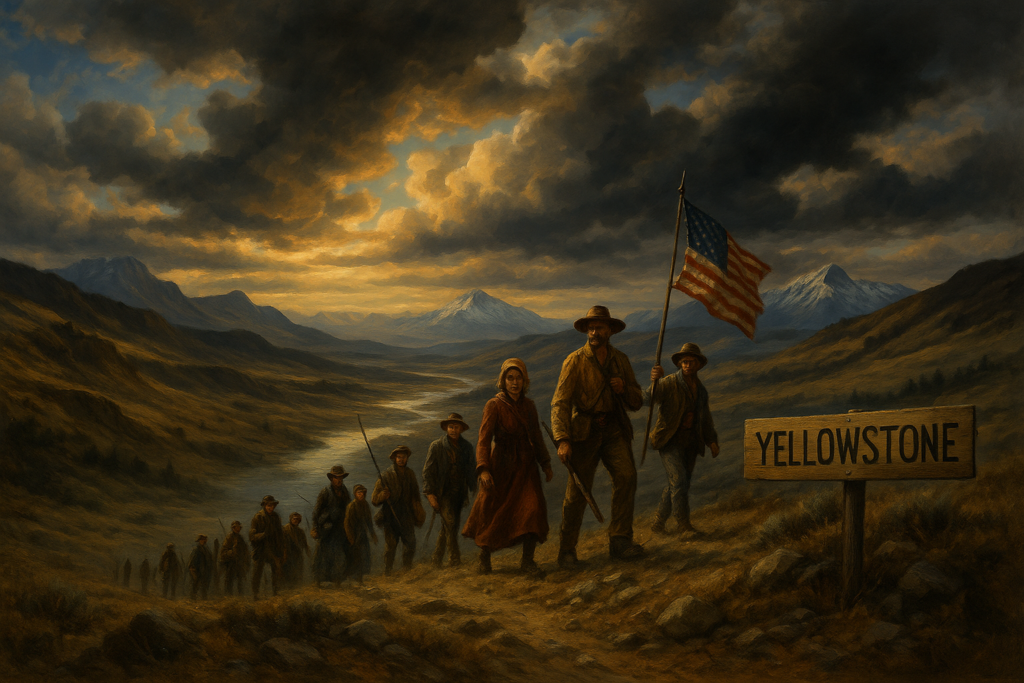
A group of passionate adventurers has undertaken the challenge of marching 150 miles to reach Yellowstone National Park. This journey, originating from Rexburg, Idaho, is not just a test of endurance but a celebration of the natural wonders and the historical ties between the region and the park. Organized by a dedicated team from Brigham Young University-Idaho, participants are expected to traverse varied terrains, experiencing both the beauty and challenges of the landscape.

The march has garnered attention not only from local enthusiasts but also from national outdoor communities. Participants are guided on a route that not only tests their physical capabilities but also enriches their understanding of the area’s ecological and historical significance.
Why It Matters
This march is more than just a physical challenge; it represents a significant cultural and educational endeavor. By walking this path, participants are retracing steps that echo the trails of early explorers and Native American tribes who first inhabited these lands. Such events highlight the importance of Yellowstone as a natural treasure and a touchstone for American heritage.
The march also serves as a reminder of the importance of preserving natural landscapes. In an era where climate change and human activities threaten natural habitats, activities like these foster a deeper appreciation and urgency to protect these environments.
The Bigger Picture
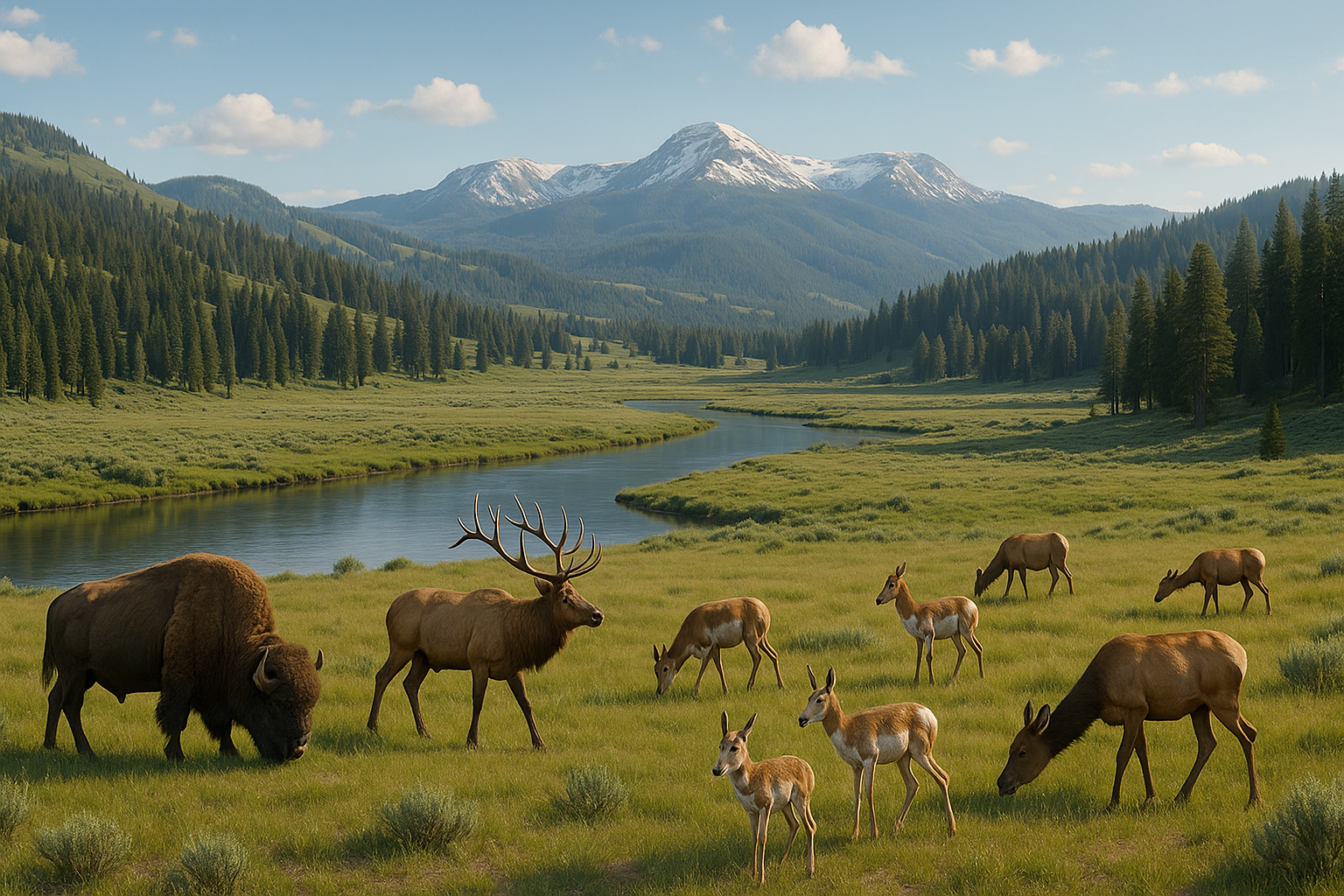
Yellowstone National Park, established in 1872, was the world’s first national park and remains a symbol of conservation and natural beauty. It encompasses over 2.2 million acres of wilderness, geothermal features, and wildlife. This march not only connects participants with this vast wilderness but also with the historical context of the park’s founding.
Historically, the area was traversed by indigenous tribes such as the Shoshone, who lived in harmony with the land long before it became a national park. The route taken by the marchers may overlap with paths that were once crucial for trade and migration.
What to Watch For
The success and impact of this march could inspire similar events aimed at promoting environmental awareness and historical education. As participants reach Yellowstone, their experiences will likely be shared widely, promoting a stronger connection between the public and America’s national parks.
Future iterations of this event could include educational workshops about the park’s ecology and history, potentially turning the march into a yearly tradition that attracts even more participants and attention.
As the march concludes, it will be interesting to see how participants reflect on their journey and how their newfound appreciation for the park influences their perspectives on conservation and outdoor activities.
For more details, visit the original report by BYU-Idaho Scroll.
Frequently Asked Questions
How long does it take to march 150 miles?
The duration depends on the pace and route, but it typically takes several days to complete a 150-mile march.
Why is Yellowstone National Park significant?
Yellowstone is the world’s first national park, known for its geothermal features, wildlife, and vast wilderness.
What is the purpose of the 150-mile march to Yellowstone?
The march aims to celebrate the natural and historical significance of Yellowstone, raising awareness for conservation.
Who organized the 150-mile march to Yellowstone?
The march was organized by a team from Brigham Young University-Idaho, involving local and national outdoor communities.
What challenges do participants face during the march?
Participants face physical challenges, varied terrain, and weather conditions, requiring endurance and preparation.
Source: BYU-Idaho Scroll