You ride out to check the herd in late June and one cow is hanging back, favoring a hind foot, the fetlock swollen and the hide split between the claws. Nine times out of ten that’s foot rot, and it’s about the most common lameness Montana ranchers deal with once the grass is up and cattle are spread across summer country.
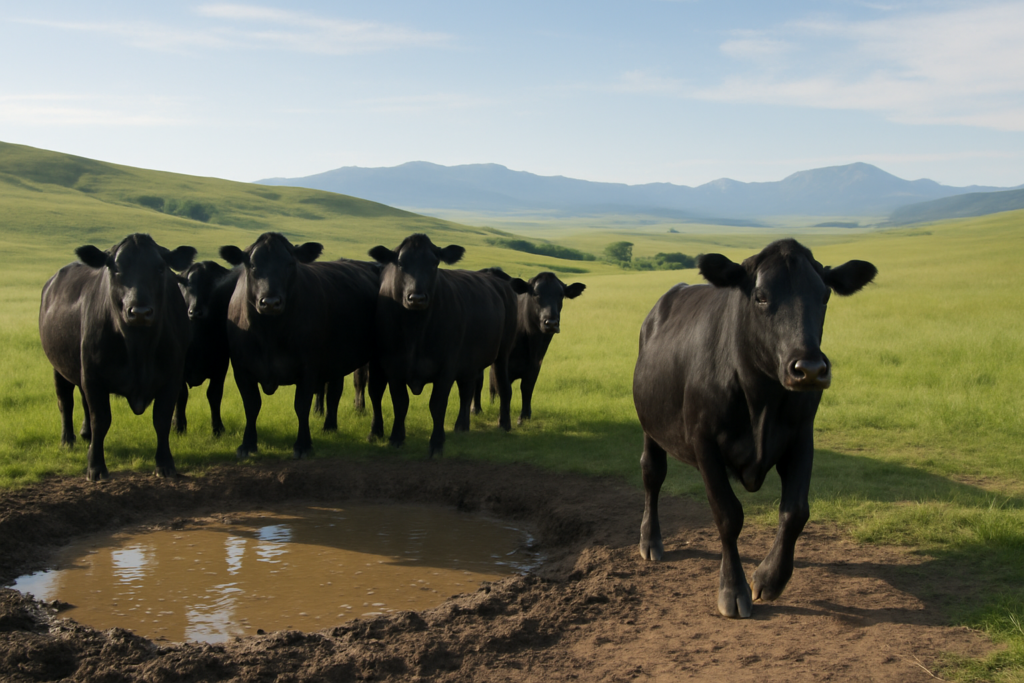
The bug behind it, Fusobacterium necrophorum, lives in the soil and in manure. It doesn’t get into a healthy hoof on its own. It needs a way in — a stone bruise, a stubble cut, skin softened by standing in mud, or the simple scrape of two claws rubbing on rocky ground. Wet, churned-up ground around tanks, salt grounds, and gates is where it usually starts. That’s why you see more of it in years with a wet spring or around water sources that never dry out.
What you’re actually looking at
The tell is sudden, fairly severe lameness in one foot, almost always with swelling that’s even on both sides of the foot and pushes the claws apart. The skin between the toes cracks open, and if you can get close enough you’ll catch the smell — foot rot has a rotten, distinctive stink that’s hard to forget once you’ve had a nose full of it.
That symmetry matters. Foot rot swells the whole foot evenly. If the swelling is lopsided, or sits up higher in the joint, or there’s a hot spot on just one claw, you may be dealing with something else — a hairline crack, a deep bruise, a foreign body, or a joint infection. Those don’t respond to the same treatment, and a few will need a vet or won’t get better at all. So before you reach for a needle, actually look at the foot. A cow that won’t bear any weight and stays down deserves a closer second look.
Pinning it down early is the whole game. Foot rot caught on day one is a single shot and a cow that’s sound again in a few days. Foot rot ignored for a week can climb into the joint, and once it’s in the joint you’re often looking at a chronically lame animal, a salvage cull, or worse.
Treating it without making a wreck
Standard treatment is an antibiotic labeled for foot rot, given according to the label and your vet’s guidance. Most cows turn the corner within a couple days if you got to it early. Keep written notes on what you gave, the dose, and the withdrawal date — you do not want a treated cow loaded on the truck inside that window come fall.
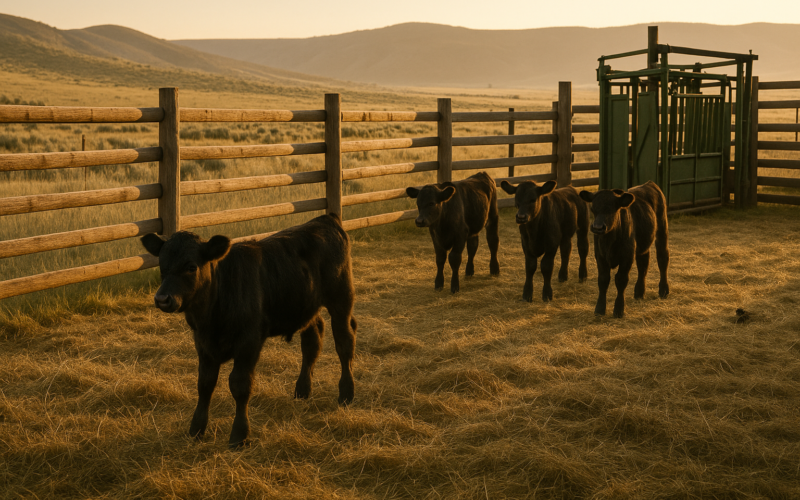
The tricky part in summer is the doctoring itself. Pulling one lame cow off a hillside pasture and into a corral in 85-degree heat can do more damage than the foot rot if you push hard. Move slow, move early in the day, and bring her in with a calm bunch rather than cutting her out solo and chasing her. If she’s already three-legged lame, sometimes treating her where she stands with a portable setup beats running her two miles to the corral.
If a cow doesn’t respond after a full course, stop repeating the same shot and get a vet involved. Repeated treatment of something that isn’t foot rot just wastes product and burns time while the real problem gets worse.
Keeping the numbers down
One case is bad luck. Several cases out of the same pasture is a message. The usual culprits are the high-traffic mud holes — around tanks, in gateways, at the salt and mineral. Moving the mineral and salt around so cattle aren’t churning one spot into a bog helps. So does fixing the chronic leak or overflow that keeps a tank apron soft all summer. Gravel or fabric on the worst gateway crossings pays for itself over a few seasons.
Footbaths and zinc supplementation get talked about, mostly in dairy and confined settings. On big summer range they’re rarely practical. For most Montana cow-calf operations, the real prevention is dry footing where cattle congregate, plus checking the herd often enough that you catch the first limper before he’s the fifth.
Watch the bulls especially. A herd bull that goes lame in the middle of breeding season is an expensive problem — he quits covering cows, and you may not notice the hole in your calving spread until next March. Look hard at feet every time you ride through during turnout, and treat a lame bull fast.
None of this is glamorous. But a few minutes of looking close at a swollen foot, and a little work keeping the wet spots from getting worse, keeps a routine summer nuisance from costing you a cow.