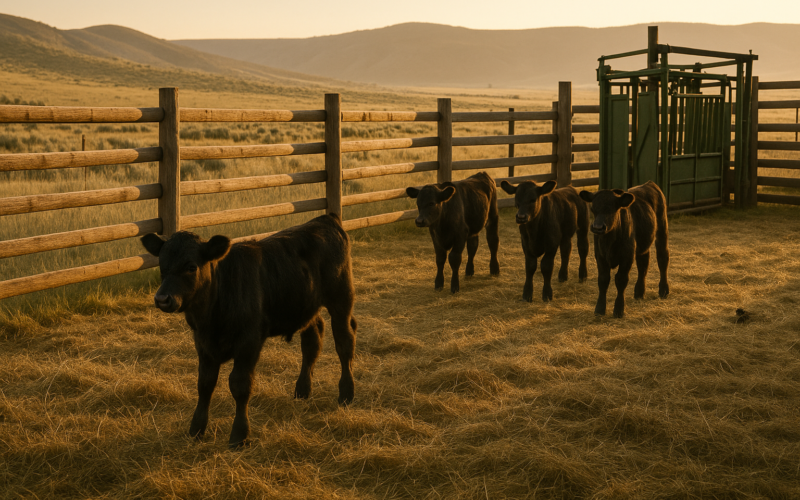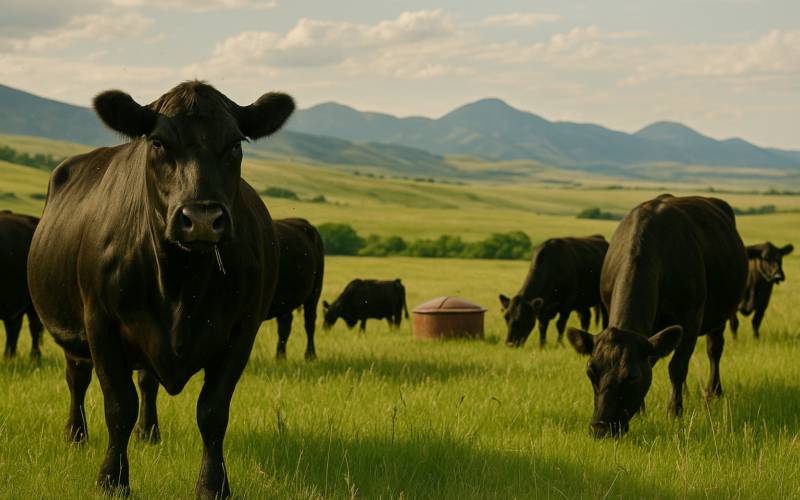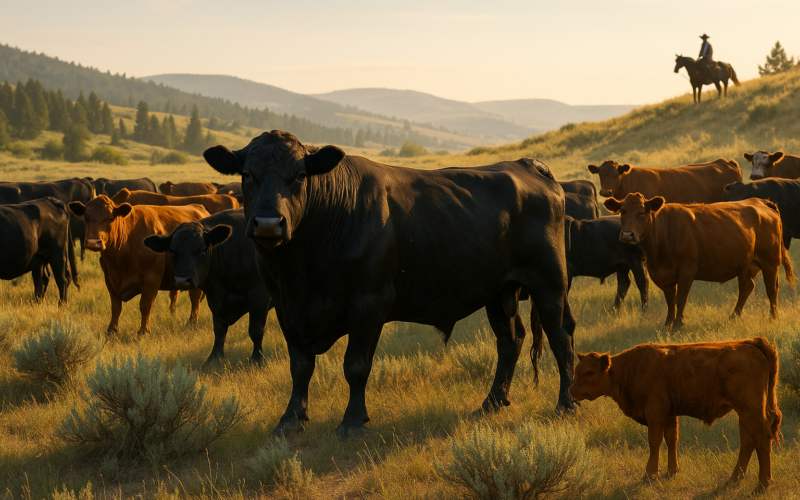
By the middle of June most of the pairs are headed somewhere bigger — a forest allotment up the Boulder, BLM ground east of Roundup, a leased section that only sees cattle three months a year. Trucking them in, sorting at a strange corral, and trailing them onto unfamiliar grass is the part of the year that separates an outfit that handles cattle from one that just chases them. The cattle don’t know the country, they don’t know the water, and they’re already wound up from a ride in the trailer. How you put them out there sets the tone for the whole summer.
Most of what goes wrong on summer turnout isn’t a wreck you can point to. It’s the slow bleed: a cow that won’t settle, calves that mother up wrong, pairs that drift back to the gate for a week instead of spreading out and grazing. That costs weight, and it costs you days riding fence and gathering strays. The fix isn’t a new corral. It’s slowing down and working cattle the way they’re built to move.
Cattle want to see you and go around you
A cow’s eyes are set on the sides of her head. She has a wide field of vision but a blind spot straight behind her, and she wants to keep track of whatever’s pressuring her. When you crowd up into that blind spot and push, she turns to find you — which is exactly the opposite of where you want her going. Work from an angle off her shoulder instead. Step into her flight zone to start movement, step back to take pressure off and let her settle. That release is the part people skip. Cattle learn from the let-up, not the push.
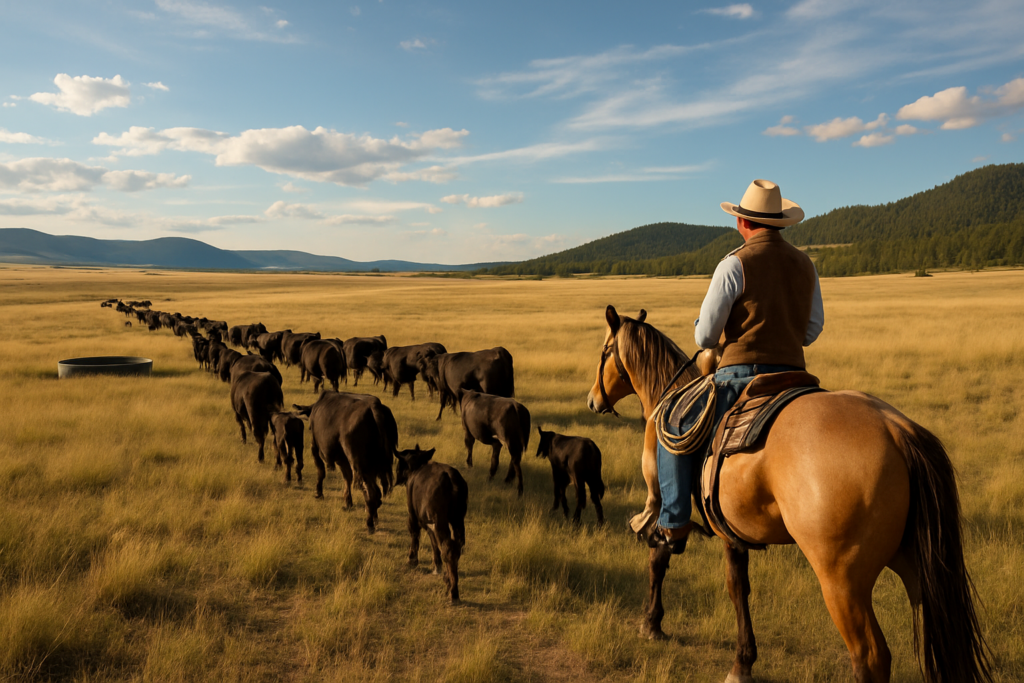
Working a bunch, you want them moving in a loose, drifting line, not bunched into a tight knot. A tight bunch is a stalled bunch — they’re watching you instead of watching where they’re going. If you find yourself yelling and slapping a sorting stick, you’re already behind. Back off, let them string out, and put your pressure on the back of the herd in a zigzag rather than a straight push from dead behind. The leaders pull the rest along.
None of this is slower in the end. The first time you trail a fresh set of pairs onto a new pasture quietly, you’ll notice they spread out and put their heads down within the hour instead of milling at the gate. That’s grazing time you didn’t have to fight for.
Sorting and loading without the rodeo
Corral work at a strange set of pens is where tempers and cattle both get hot. A few things hold true no matter whose facilities you’re using. Fill the crowd tub no more than two-thirds — a packed tub won’t flow and cattle can’t turn to find the opening. Let them follow each other; cattle move toward the light and toward other cattle, so an open, well-lit alley does half the work. Quit waving everything in your hands. The more motion behind them, the more they want to come back through.
If you’ve got a cow that won’t load or a pair that keeps splitting off, don’t make the whole bunch pay for it. Cut the troublemaker out and deal with it separately rather than running everybody back and forth until they’re all soured. Cattle remember a bad experience at a chute or a gate, and you’ll fight it every time you bring them through.
Settle them before you ride off
On big summer country it’s tempting to dump the pairs at the gate and head for the next load. Resist it. Walk the lead bunch out away from the gate, show them the water, and let them stop and graze before you leave. Pairs that get parked right at the corner will hang on that fence for days, bawling and pacing, and that’s where you get mismothered calves and cows pushing through wire. Ten extra minutes pointing them at the tank or the creek saves a week of gathering drifters.
The same patience pays when you’re checking them through the summer. Ride the country quiet, count without scattering them, and they’ll let you walk among them by August instead of running off the second they catch your horse. Calm cattle are easier to doctor when a calf comes up with foot rot or a cow needs an eye looked at, and they’re a whole lot easier to gather come fall.
Good handling isn’t soft. It’s the cheapest gain you’ll add all summer, and it costs nothing but the discipline to quit hurrying.