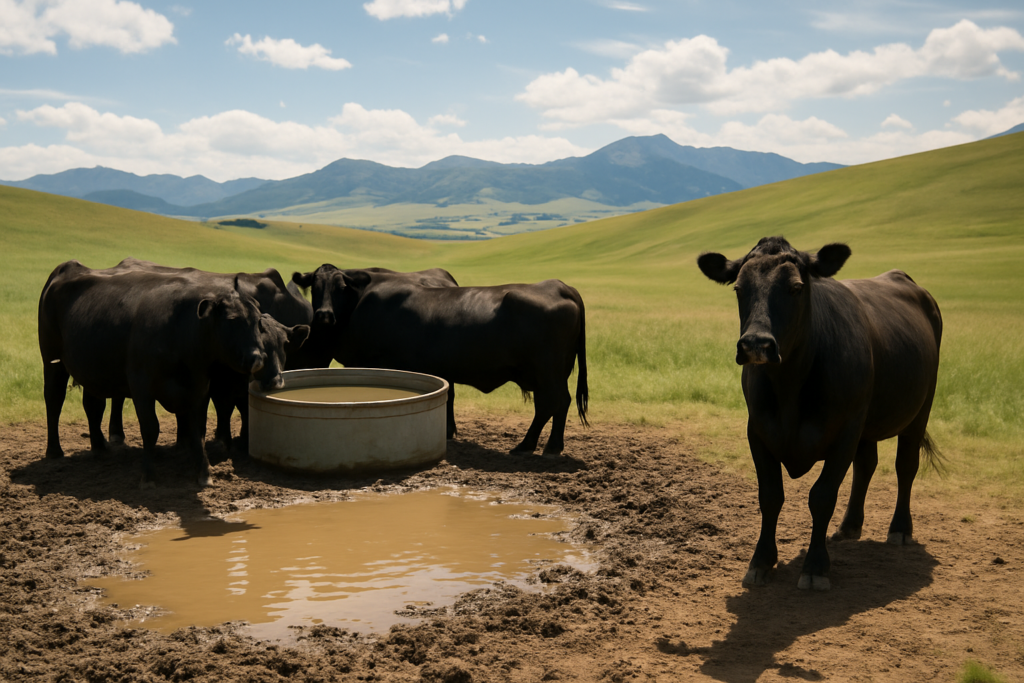
You ride out to check water and one cow is hanging back at the edge of the bunch, favoring a hind foot. By the time you ease up on her the foot is swollen between the toes, hot to look at, and she won’t put weight on it. That’s foot rot, and June and July are when it shows up — after a wet spring, in the trampled mud around tanks and creek crossings, in the soft ground where the snow drifts hung on late.
It isn’t glamorous and it isn’t rare. But left alone it’ll knock the bloom off a good cow fast, and on summer range where you might only lay eyes on the herd every few days, the ones that go untreated are the ones that get into real trouble.
What you’re actually looking at
Foot rot is a bacterial infection that gets into the soft tissue between the two claws. The bug is common in the dirt and manure; it needs a way in. That break in the skin comes from cattle standing in mud and water until the skin goes soft, or from stubble, rock, frozen ground, or sharp gravel cutting the foot. Wet conditions do most of the damage by themselves. That’s why you see it cluster around water sources, salt grounds, and the gates and lanes where the whole bunch packs the ground into soup.
The tell is swelling that comes up evenly between the toes and spreads the claws apart, with a foul smell once it opens up. The lameness comes on quick — a cow sound yesterday can be three-legged today. That speed is useful, because it separates foot rot from the slower lameness of a sole abscess, a stone bruise, or an injured joint. If the swelling is off to one side, or up in the joint, or the foot’s been bad for a week and not changing, you’re probably looking at something else, and that something else usually needs a vet’s eyes and a different plan.
Treat it early and treat it clean
Caught early, foot rot responds well to a long-acting antibiotic from your vet, given at label dose. The earlier you hit it, the faster it turns. A cow you catch the first day she limps is often sound again in a few days. One you find a week later, with the infection up into the joint, may never come fully right and can end up a cull.
The hard part on summer range isn’t the medicine — it’s getting a hand on the animal. A few things make that easier:
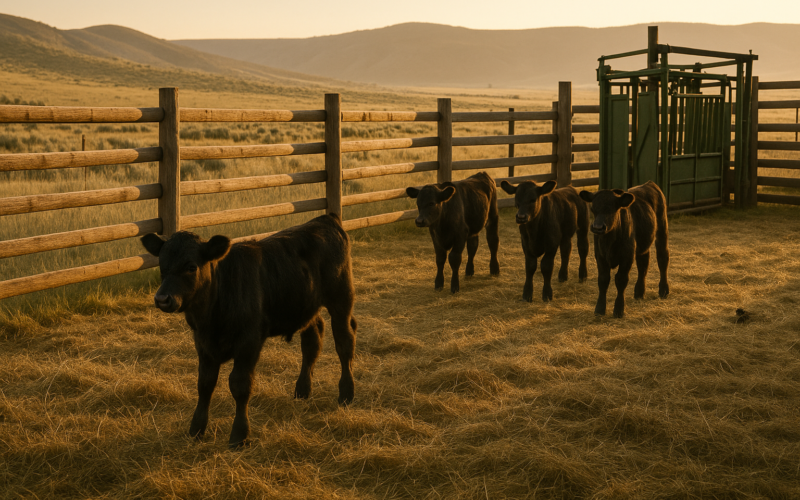
- Keep treating supplies where you can grab them. A roping horse, a portable panel setup, or a corner where you can crowd one into a chute beats trying to dose a cow in the open.
- Get a real look at the foot before you treat. If it doesn’t fit the picture — swelling in the wrong place, an old chronic limp, the hoof wall cracked or the sole punctured — you may be wasting a shot on the wrong problem.
- Write down the date and the animal so you know your withdrawal time and so you can check whether she actually came around.
One that doesn’t respond in three or four days needs a second look. Sometimes the infection has gotten up into the joint, and at that point you’re deciding between aggressive treatment and shipping her, not giving the same shot again.
Take the pressure off the mud
You’ll never zero it out, but you can cut how many cases you fight. The common thread is standing water and chewed-up ground. Hardening the approaches to tanks with gravel keeps feet out of the muck. Moving a salt or mineral ground away from the water spreads cattle out instead of letting them pound one spot into a bog. If you’re running solar wells or hauling to tubs, set the troughs where the runoff drains instead of pooling. Rotating off a pasture before the cattle have trampled the wet ground bare does the same thing — it’s one more reason to keep them moving.
Zinc in the mineral is worth a look too. Adequate zinc supports skin and hoof integrity, and cows short on it scuff up easier. It won’t make up for a foot of mud at the tank, but it’s cheap insurance that rides along with the mineral you’re already feeding.
None of this is complicated. Ride the herd close enough to spot the early limp, get a clean look before you reach for the gun, and keep your cattle off the worst of the mud. Do that and foot rot stays a nuisance instead of a string of culls come fall.