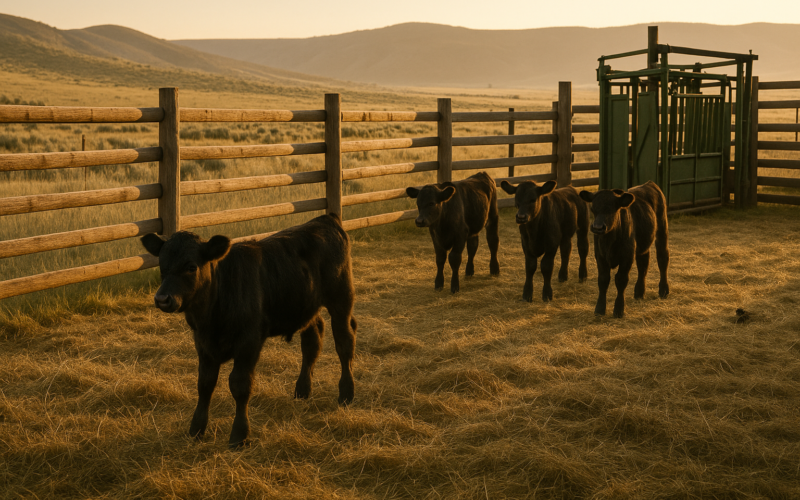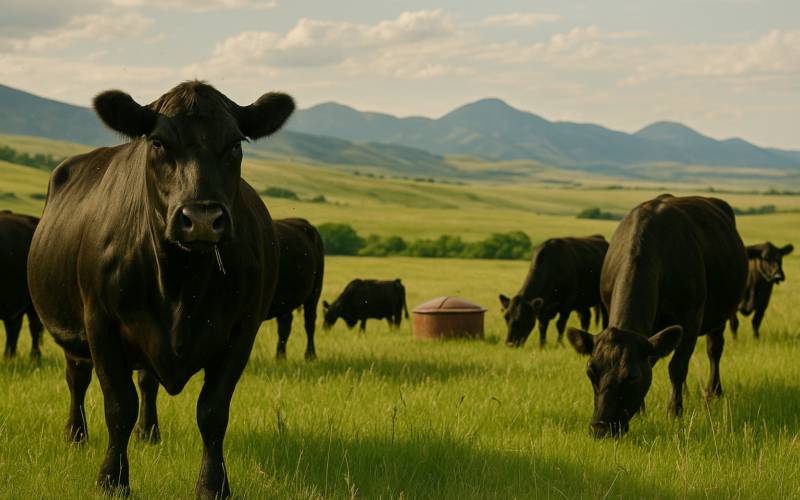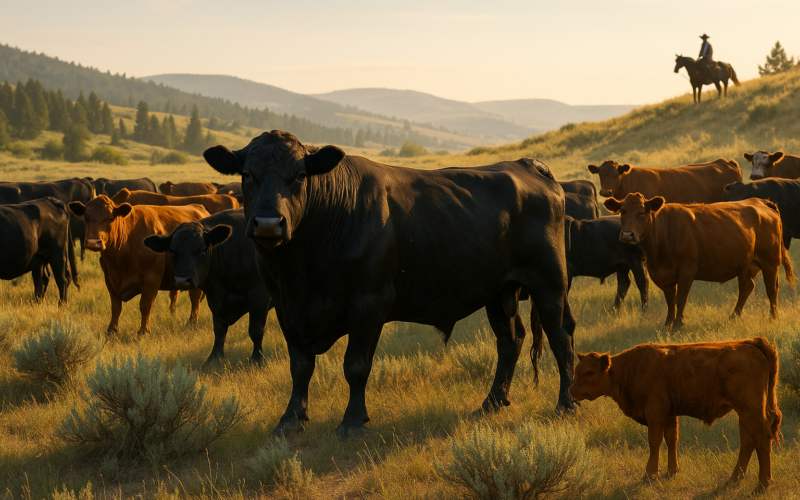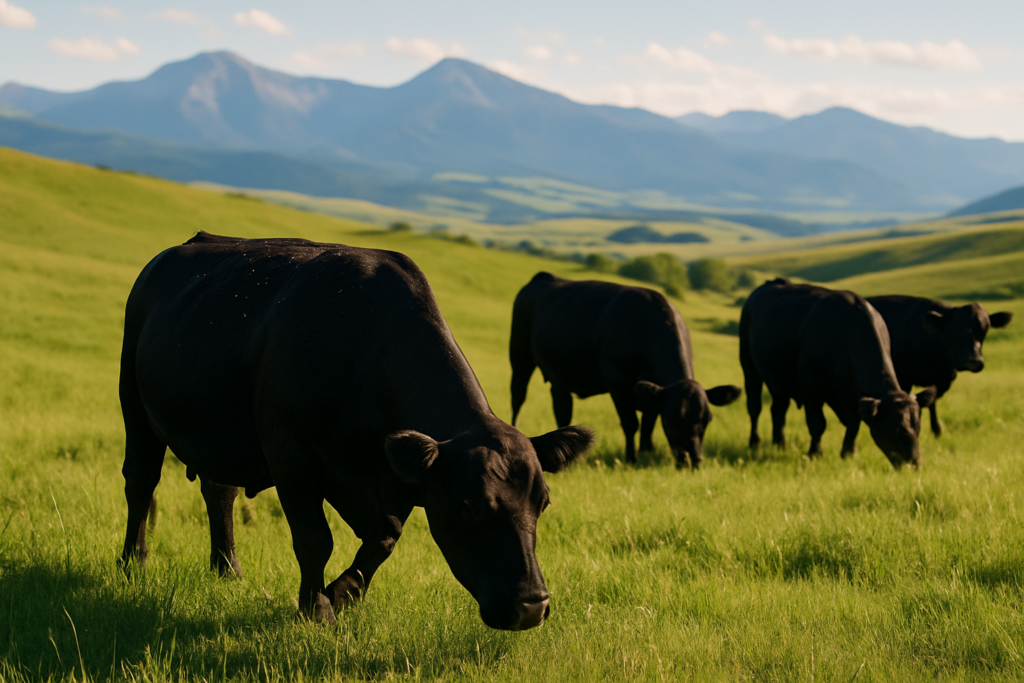
Stand at the fence in June and watch a group of cows come off the hill in the heat of the afternoon. If their backs and shoulders look like they’ve been dusted with pepper, and the tails never stop swinging, you’ve got a horn fly problem building. These are the small flies that cluster along the topline and behind the shoulders, and unlike face flies, they spend nearly their whole life on the animal. That’s what makes them expensive.
A horn fly takes a blood meal 20 or 30 times a day. Get a few hundred of them on a cow and she quits grazing to fight them, stands bunched with the herd instead of spreading out to feed, and burns energy she ought to be putting into milk and into the calf on her side. You won’t see a dead cow. You’ll see it in the fall, on the scale, when the calves come in lighter than they should have and you can’t quite put your finger on why.
Know when you’ve got enough to matter
A handful of flies on a cow is normal and not worth chasing. The rule of thumb most people work off is a couple hundred flies per animal before treatment pays. That sounds like a lot, but it adds up fast in warm, humid stretches, and horn fly numbers usually climb hard from mid-June on. The easiest way to judge is just to look at one side of several cows in good light. If the flies form a solid dark patch over the shoulders and back, you’re past the point where doing nothing is the cheap option.
Horn flies breed in fresh manure, and only fresh manure. That’s worth remembering, because it tells you the flies you’re seeing were laid in pats dropped in your pasture within the last week or two. It’s a local problem you can actually do something about, not a plague blowing in off the neighbor’s place.
Pick a control method you’ll actually keep up with
There’s no single right answer, and the best tool is usually the one that fits how you run cattle.
- Insecticide ear tags. Easy if you’re already running cattle through a chute at turnout or branding. Two tags per adult animal generally works better than one. The catch: don’t tag too early, or the tags lose their punch before the worst of fly season is over. Late May into June is about right for a lot of Montana country.
- Dust bags and back rubbers (oilers). These work well when you can force cattle to use them — hang the bag or rubber in a gate or over the only trail to water so every animal has to pass under it. Set it out where they can walk around it and it does nothing. Charge the oiler often; a dry rubber is just a piece of hardware.
- Pour-ons and sprays. Good for a quick knockdown when numbers spike, but the effect is short. Fine as a supplement, not a season-long plan by itself.
- Feed-through larvicide (IGR mineral). The insecticide passes through the animal and kills fly larvae in the manure before they hatch. It works, but it only handles the flies breeding on your own cattle — if the neighbor’s herd is close, adult flies will drift in over the fence line. Start it before flies show up, because it’s a slow builder, not a rescue.
Rotate your chemistry or you’ll grow your own resistance
The single most common way people wreck a good fly program is running the same class of insecticide, year after year, in the tags. Horn flies have a short life cycle and a lot of generations per summer, and they develop resistance quicker than most pests. If your tags used to clean cattle up for two months and now barely last three weeks, resistance is the likely reason.
The fix isn’t complicated. Alternate the active ingredient class between years — pyrethroid one season, organophosphate the next, for example — rather than reaching for the same box off the shelf every spring. Read the actual active ingredient, not just the brand name, because different products can carry the same chemistry. And pull spent tags in the fall. Old tags leaking a low dose all winter is exactly the kind of pressure that breeds resistant flies.
None of this is one-and-done. Flies keep coming until the weather turns in fall, so plan on checking cattle through the summer and pairing methods when one starts slipping. A dust bag over the water gap plus an IGR in the mineral will carry a lot of country through July and August better than tags alone. Watch the cattle, count the flies now and then, and you’ll know when it’s time to change something before the gain is already gone.