The calf you lose to blackleg is almost never the runt. It’s the big, slick, fast-gaining steer you’d already picked out as one of the better ones. You find him dead in the pasture, bloated up fast in the heat, maybe with a hind leg swollen tight and gas crackling under the hide when you press on it. No sickness the day before. No off feed. Just gone.
That pattern is the frustrating part of the disease. Blackleg doesn’t pick off the weak. It takes the thriving calf on good grass, and it does it in a matter of hours, so you rarely get a chance to treat.
What’s actually happening
Blackleg is caused by Clostridium chauvoei, a spore-forming bacteria that lives in the soil. The spores are tough. They can sit in the dirt for years, and they turn up again after ground gets disturbed “C runoff cutting a new channel, a wet spring flooding a bottom, digging a dugout, or just cattle churning up a wet spot around water.
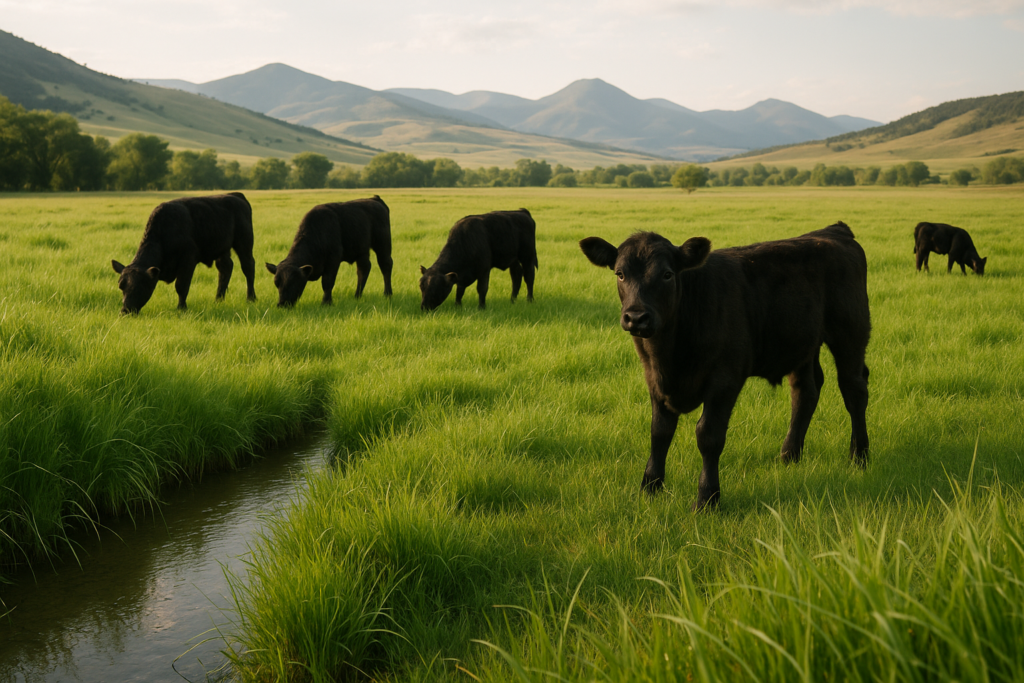
Calves pick up the spores grazing. The organism can end up dormant in muscle tissue, doing nothing until something sets it off “C a bruise, a bump, or the rapid muscle growth of a well-fed calf on lush June grass. When it activates, it multiplies fast, produces toxins, and destroys muscle from the inside. That’s the swelling and the gas you feel under the skin. By the time you’d notice a sick calf, the toxins are usually too far along.
Most cases hit cattle somewhere between about six months and two years old, with calves and yearlings taking the brunt. Older cows are largely spared, likely because they’ve built up exposure over time. That’s cold comfort when it’s your growing calves at risk.
Signs, if you catch one alive
You usually don’t. When a producer does spot an early case, it’s typically a calf standing off by himself, stiff or lame in a hindquarter, running a fever, not wanting to move. The affected muscle swells, and pressing on it can produce a crackling feel from the gas building up in the tissue. The calf goes down and dies quickly after that.
Treatment is a long shot once signs show. High doses of penicillin early can occasionally save one, but the muscle damage is already done and most don’t respond. This is a disease you prevent, not one you cure.
The shot that makes it a non-issue
The good news, and it’s real good news, is that blackleg is one of the most preventable killers on the place. The clostridial vaccines “C the standard 7-way and 8-way products every co-op carries “C cover it, along with the other clostridial diseases like malignant edema and blackleg’s cousins. They’re inexpensive and they work.
A few things worth getting right:
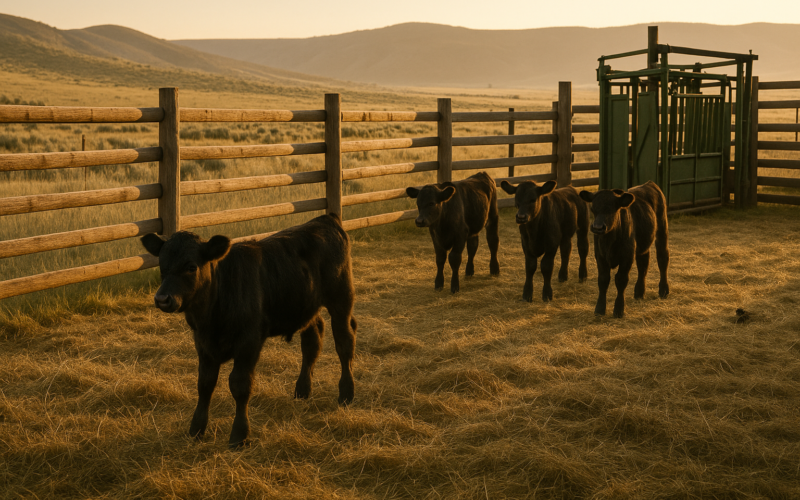
- Give the first dose at branding or spring works, when you’ve got the calves gathered anyway. That timing puts protection in place before they’re out on summer grass building muscle.
- The booster matters. Most of these vaccines call for two doses in a calf that’s never had it, spaced a few weeks apart, to build solid immunity. One shot gives partial protection; the calf that only got a single dose is the one that turns up dead. Read the label and follow it.
- Immunity doesn’t last forever. Yearlings and replacement heifers benefit from a booster the following spring. On ground with a known blackleg history, that annual shot is cheap insurance.
- Handle and store the vaccine right. Keep it cool, out of the sun, and use it up once it’s mixed. A vaccine that cooked on the tailgate half the afternoon may not do the job.
If you’ve had blackleg show up before, take note of where. Wet bottoms, old flood ground, and spots you’ve dug or disturbed are the higher-risk country. Ground that’s been flooded or freshly worked can bring spores back to the surface, and a pasture that’s been clean for years can turn on you after a wet spring.
Don’t get complacent
Because the vaccine is so effective and so cheap, blackleg has faded into a disease a lot of outfits quit thinking about. That’s exactly how it sneaks back in. Skip the clostridial shot one spring to save a little time and money, turn thrifty calves onto good grass, and you can end up burying several of your best ones before you connect the dots.
A dead calf in the pasture teaches an expensive lesson. The syringe of 7-way at branding teaches a cheaper one. Give the shot, give the booster, and blackleg becomes something you read about instead of something you drag out of the pasture in July.