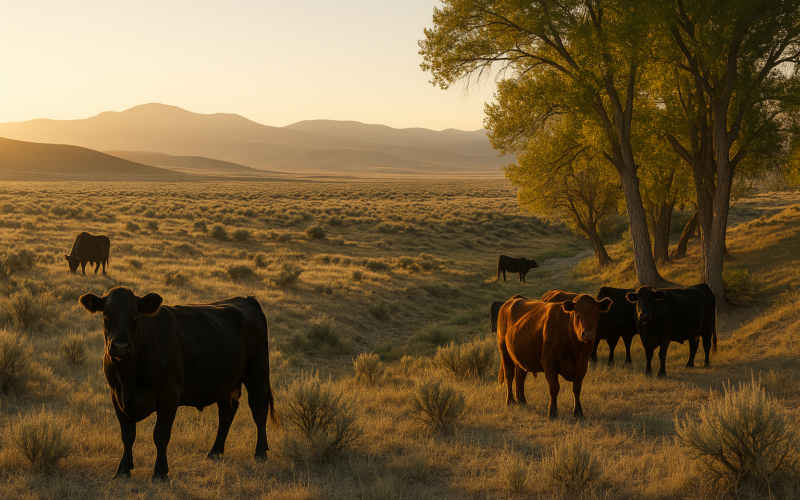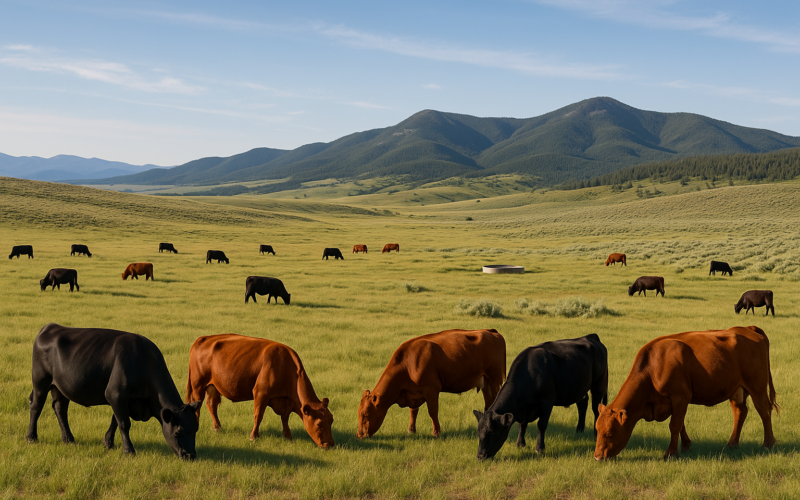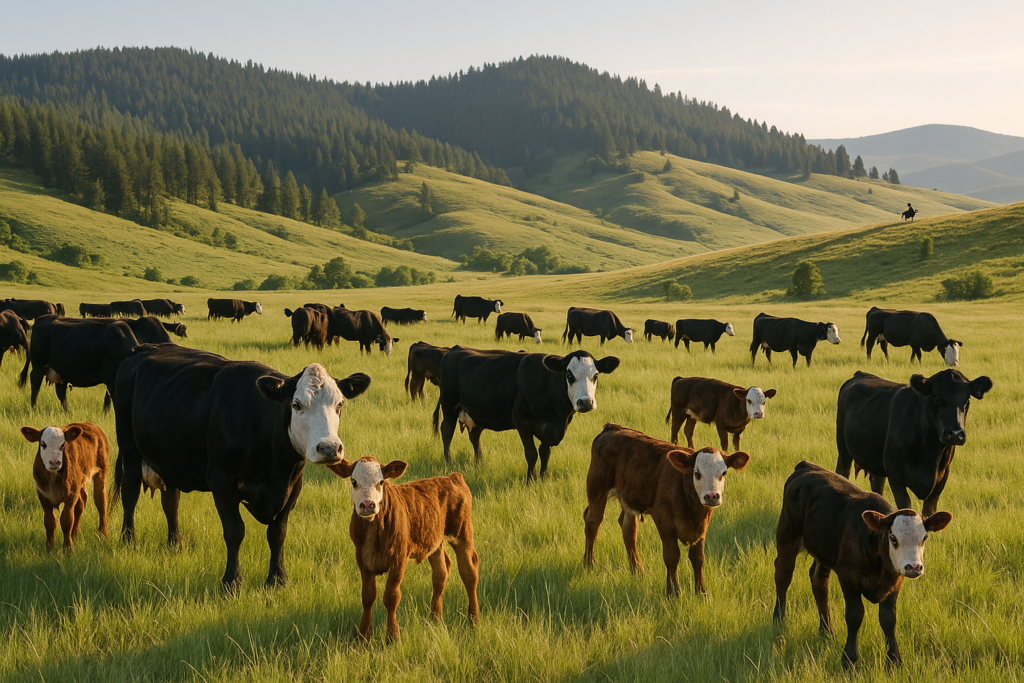
Most outfits know their pairs cold when they load them in June. You’ve handled every one at branding, you know which cows lost calves and which ones twinned, and you can rattle off the count without thinking. Then the pairs go up on the forest, or out on a section of deeded range you can see maybe twice a week, and the number stops being a fact and starts being a guess. Come fall you gather, you’re short three or four, and nobody can tell you when they went missing or why.
That gap is where money leaks out of a summer grazing operation, and it leaks quietly. A calf killed the first week on new country is gone long before you’d have any reason to look for it. By the time you notice the cow bawling and dry, the evidence is scattered or buried, and you’re left guessing between a predator, a lightning strike, larkspur, or a calf that slipped through a fence and joined the neighbors. Guessing doesn’t get you anything back.
Count them like you mean it before the gate closes
The single cheapest thing you can do is take a real count going onto summer range, not an estimate off the truck. Cows and calves separate. Write down pairs, write down dries, write down anything you’re carrying that’s off-color or easy to describe. If you run more than one bunch on one piece of country, know how many of each went where.
That count is your baseline for everything that follows. Without it, a fall shortage is just a bad feeling. With it, you can say you turned out ninety-two pairs and gathered eighty-eight, and now you’ve got a number to chase instead of a mood. It also settles the arguments that come up at shipping, when everybody’s tired and the tally sheet doesn’t match memory.
Brand and tag records help here too. A calf you can describe—ear tag color, cow’s number, a white sock—is a calf you can identify if a piece of one turns up. On leased or shared range, that description is sometimes all you’ll have.
Ride it, and ride it when it matters
Cattle on new summer country need looking at anyway. They’ll walk fence, they’ll pile in the wrong draw, they’ll find the salt slow. Riding for that same first week is when you’d catch a fresh kill while there’s still something to see. A carcass a day old tells a story; the same carcass a week later, worked over by coyotes and ravens and heat, tells you almost nothing.
Pay attention to a cow standing off by herself with a tight bag and no calf. She’s telling you something before the count ever will. Same with a bunch that won’t settle in one part of the pasture—sometimes that’s water or bugs, and sometimes it’s that they’ve been pushed.
When you do find a dead calf, slow down before you drag it off or write it off. If there’s any chance a predator did it, how you handle the next hour matters. Don’t move the carcass more than you have to. Get photos of the whole animal and close-ups of any wounds, bites, or hemorrhage under the hide, and note where you found it. A fresh, undisturbed carcass is the only thing that lets anyone tell a predator kill from an animal that died and got scavenged after. That difference is the whole ballgame, and it disappears fast in warm weather.
Know who to call, and call before the evidence cooks
Montana has a process for confirming and documenting livestock losses to certain predators, and there are people whose job is to come look. The details of what qualifies and what’s covered change, so know the current rules for your county and have the phone number in your truck before you need it—not scrolled through your call log after the fact. The common thread never changes: confirmation depends on somebody trained getting eyes on the carcass while it’s still readable. Waiting a couple days almost always downgrades a probable kill to a shrug.
Even when nothing’s coming back to you, the record is worth keeping. A pattern of losses in the same drainage year after year is information—about where to bunch cattle at night, whether a range rider pencils out, whether carcass removal from calving grounds would’ve helped, or whether a particular pasture just costs you calves and ought to be grazed different or later.
None of this brings back the calf that got killed the first week. What it buys you is a number you can trust, a shot at documenting a loss that qualifies, and enough information to decide whether next June’s turnout looks the same or changes. The outfit that shrugs at four missing calves every fall pays for them every fall. The one that counts hard and rides early at least knows what it’s paying for.