Every spring a few slip through. The calf that was too little to sort at branding, the pair you gathered late off the far end, the bull you bought that came home entire because the seller “didn’t get to him.” By mid-June those calves are still standing there, testicles and all, and every week you wait makes the job bigger and the fly risk worse.
There’s no shame in a late-cut calf. There’s a cost to doing it wrong, though, and June is exactly the month when doing it wrong shows up fast.
Older means more blood, more setback, more risk
A three-week-old calf castrates with almost no fuss. The cords are small, the bleeding is minimal, and he mothers up and forgets about it by evening. That same calf at three or four months is a different animal. The vessels are bigger, so a clean knife cut on an older calf can bleed more than you’d like, and the whole thing hits him harder — you’ll see the gain check on those calves whether you weigh them or not.
That’s the argument for getting it done sooner rather than later. It doesn’t get easier by August. If a calf is already big enough that you’re nervous about bleeding, that’s your sign to change your method, not to put it off another month.
Knife, band, or Burdizzo
You’ve got three ways to do it, and each one trades off a different risk this time of year.
A knife cut is fast and you know it worked — the testicles are in your hand. The downside in June is an open wound during peak fly season. Cut a calf and turn him into a muddy corner full of flies and you’ve made trouble. On bigger calves, pull or scrape the cord rather than cutting it clean across to slow the bleeding, or use an emasculator that crushes as it cuts.
Banding with an elastrator leaves no open wound, which sounds like the safe play until you remember what a band actually does. The scrotum below the band dies and sloughs off over a couple of weeks, and that dead tissue is exactly what draws flies and, worse, sets up tetanus. Bands also have a size limit — the big rubber bander works on heavier calves, but you have to get both testicles below the band and you have to be sure you did.
The Burdizzo crushes the cords without breaking the skin at all. Done right, no open wound and no dead tissue hanging. Done wrong — one jaw placement that misses a cord — and you’ve left a stag that acts like a bull and sells like a mistake. Most people who use one clamp each side twice, staggered, and check the calf later.
Tetanus is the one that catches people
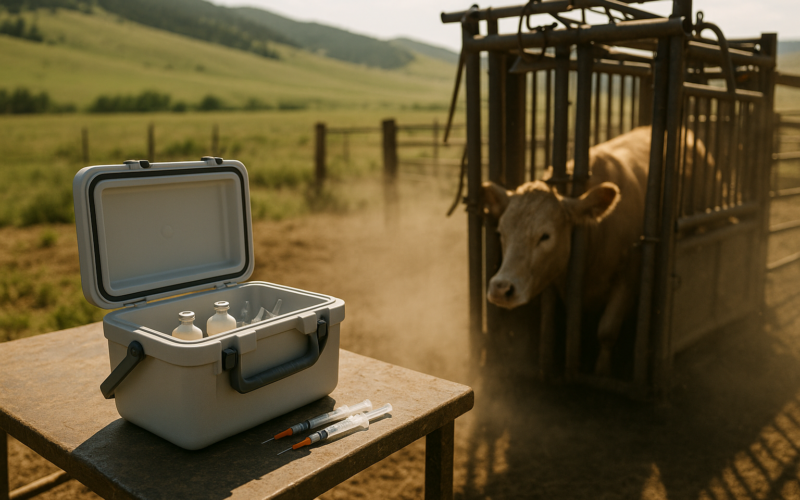
If you band, vaccinate for tetanus. That dead scrotal tissue is the ideal setup for clostridial infection, and a calf that dies of tetanus three weeks after you banded him is a rough way to learn the lesson. A lot of the standard 7- or 8-way blackleg vaccines don’t include tetanus toxoid — check the label rather than assume. If your calves only got a 7-way at branding, they’re likely not covered for tetanus, and banding without it is a gamble.
Knife-cutting into a clean environment is lower tetanus risk, but it’s not zero, and any calf going into wet, manure-heavy ground has a case for the coverage.
Pick your day and your ground
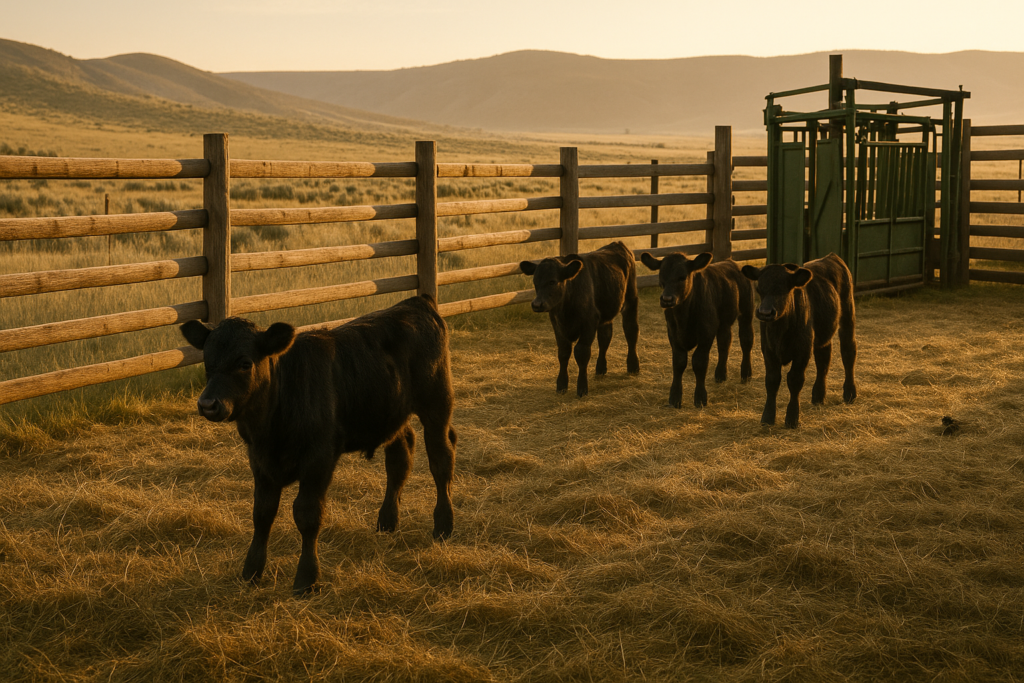
Cut in the morning while it’s still cool. You don’t want a freshly worked calf standing in 90-degree afternoon heat, and you don’t want to be swinging a gate in the dust of a dry June corral. Work them, then turn them out onto clean pasture — not the muddiest corner of the corral, not a trap they’ve been camping in for a week.
Don’t cut right before a rain. Wet, muddy ground on an open wound is asking for infection and swelling. Dry, clean grass gives the wound a chance to drain and heal.
Then actually look at them for the next week or two. Knife-cut calves should drain and shrink down; a scrotum that swells up hard and hot means infection, and that calf needs attention, not another month on his own. Banded calves you’re watching for the same swelling plus any sign of tetanus — stiffness, a stilted walk, ears held odd. Catch it early or you don’t catch it.
The stag that shows up in the fall run tells the whole story. He was banded high, or one cord missed the clamp, or the job got put off until he was too big and somebody rushed it. Buyers dock him, and they’re right to. A few minutes of care in June is the difference between a steer that sells clean and a problem you haul to town at a discount.