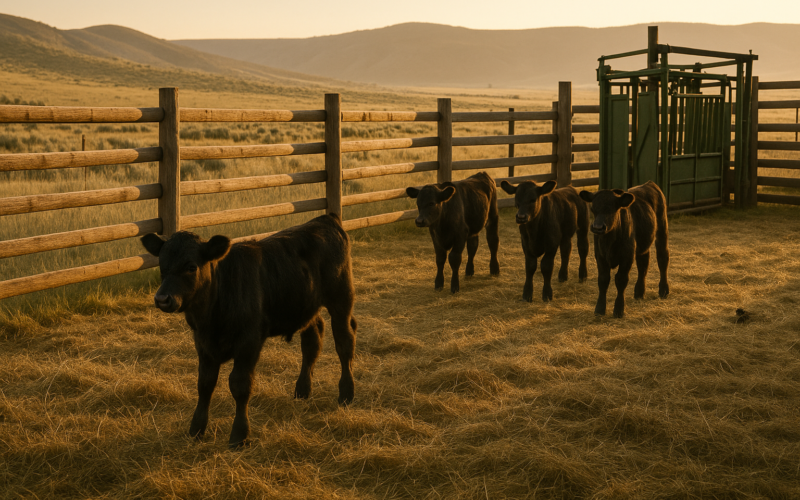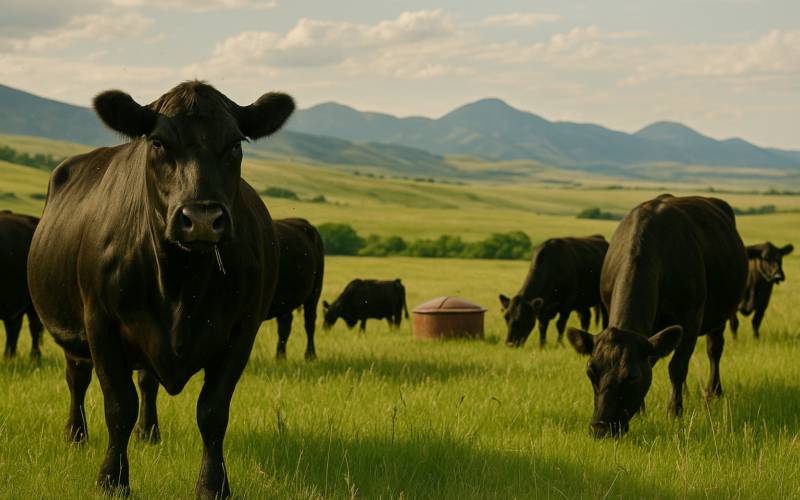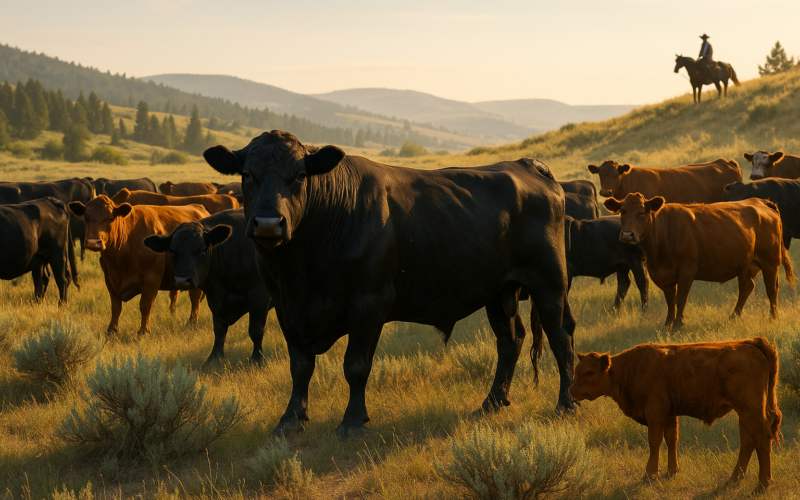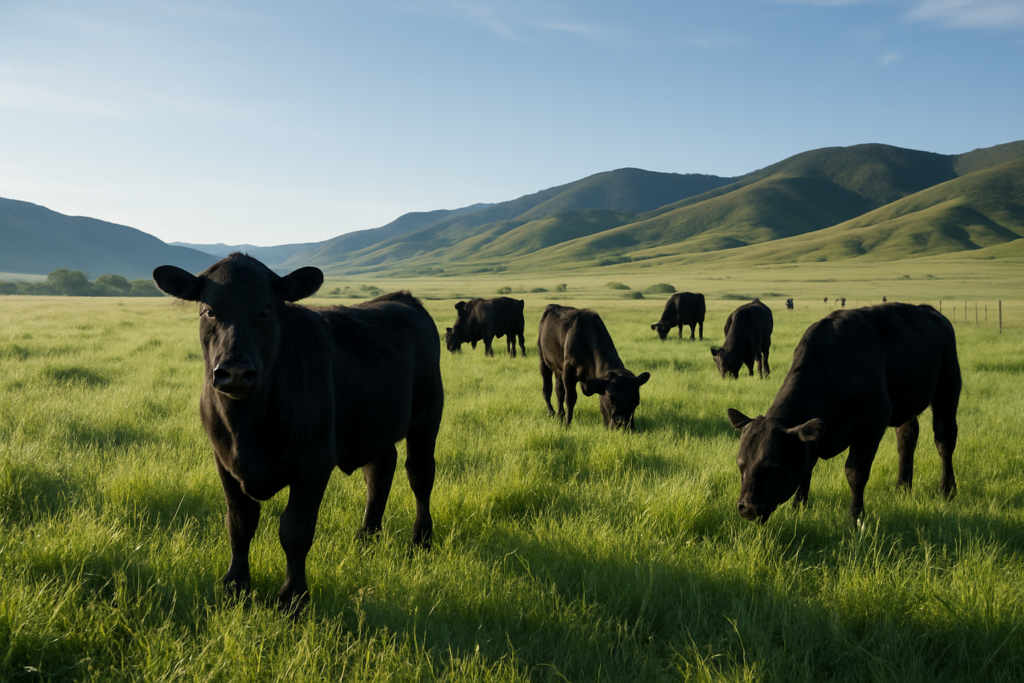
A yearling steer turned out on good June grass ought to look like money in the bank. Most do. But a share of them are carrying a gut full of small brown stomach worms and Cooperia picked up off last year’s pasture, and those worms take their cut before you ever see a scale ticket. Nobody dies. The steer just eats a little less, gains a little slower, and comes off grass in September lighter than the grass should have made him. Multiply that across a set of yearlings or a pen of replacement heifers and it adds up to real weight you meant to sell.
Parasites are easy to ignore because the damage is invisible. There’s no scour, no swelling, no cow down by the water gap. A wormy yearling looks fine standing still. The tell is in the pounds that don’t show up, and by then the grazing season is over and you can’t get them back.
Who carries the load and where they pick it up
Age matters more than anything here. Yearlings, weaned calves, and first-calf heifers carry the heaviest worm burdens because they haven’t built up much immunity yet. Mature cows in decent shape mostly police their own parasites and rarely need much. So the money in a deworming program is spent on the young stock, not blanket-treating every cow on the place.
The bugs live on the pasture, not really in the cow. Larvae ride up the grass blades in the cool damp of morning, the cattle graze them in, the worms mature and lay eggs, the eggs go out in the manure, and the cycle turns again through the summer. That’s why pastures grazed hard by young cattle year after year — the same trap pasture every spring — build up the biggest larval load. Wet, low, heavily stocked ground carries more than a dry, lightly grazed hillside. Irrigated meadows and creek bottoms hold moisture that keeps larvae alive; a baked south slope in July burns a lot of them off.
Timing the treatment so it does some good
The standard move is to deworm at or near turnout, which for most of Montana means late May into June. Clean out the load the young cattle came off winter feed carrying, and you knock down the eggs they’d otherwise be spreading onto fresh grass all summer. Treating a month after turnout misses that window — by then they’ve already seeded the pasture.
Product choice is worth a conversation with your vet, because resistance is a real and growing problem. The pour-on ivermectin-type dewormers have been used hard for decades, and on a lot of operations they no longer clean up as well as they used to, especially against Cooperia. Combining an oral white dewormer (the benzimidazoles) with a pour-on, or rotating classes rather than reaching for the same jug every year, keeps the tools working longer. Dose to the biggest animal in the group, not the average, and don’t guess low — underdosing is exactly how you breed resistant worms.
One idea that runs against instinct: you don’t want to kill every last worm in every last animal. Leaving a portion of the herd untreated, or accepting that some worms survive, keeps a population of parasites that were never exposed to the drug. That susceptible pool dilutes the resistant ones. It’s called refugia, and it’s the difference between a dewormer that still works in ten years and one that doesn’t.
Grazing does half the work
The best worm control on a lot of outfits isn’t in a bottle. Moving young cattle onto pasture that hasn’t been grazed by young cattle that year — following the cows, or rotating onto aftermath or a hay meadow — puts them on ground with a lighter larval load. Hot, dry weather in late July and August burns larvae off the grass on its own. Cattle grazing taller stands eat fewer larvae than cattle grazing right down into the base of the plant where the larvae concentrate, which is one more reason not to graze a pasture into the dirt.
None of this shows up on a wormy steer standing in the corral looking healthy. It shows up in the fall, on the scale, when the pen that got dewormed at turnout and moved onto clean grass weighs more than the pen that didn’t. That gap is the whole point.