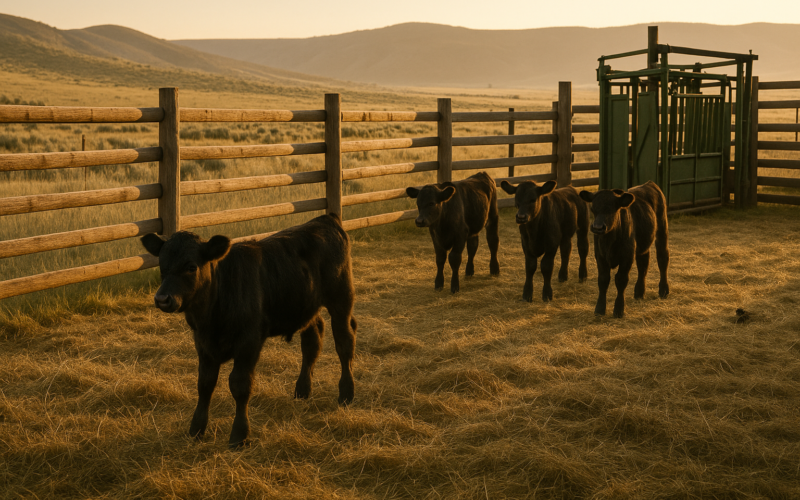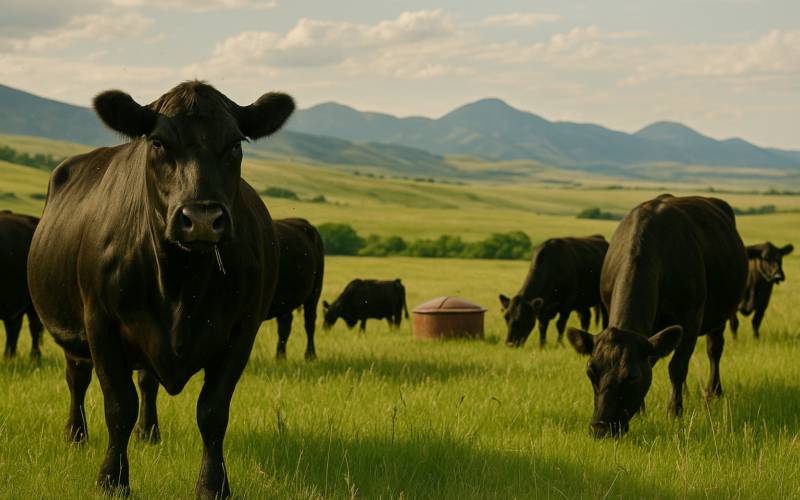
Most of us file pneumonia under winter. Cold nights in the calving lot, a scoured calf that turns into a lung problem, the pull-and-doctor routine in March. So when a calf goes down with it in late June on green grass with a fat cow standing over him, it catches people flat-footed. It shouldn’t. Summer pneumonia in nursing calves runs somewhere between two and four months of age, and it shows up right about now, out in the pasture, miles from the corral.
The frustrating part is how quiet it is. A calf this age is still traveling with its mother, still bunched with the other pairs, and a sick one blends right in until it’s too weak to keep up. By the time you notice the breathing—that fast, shallow pumping, sometimes an open mouth and a stretched-out neck—the infection has been working for two or three days. The gain is already gone off him. Sometimes so is the calf.
Why it lands when the grass is best
Nothing about a good summer pasture causes pneumonia by itself. It’s the stack-up of stresses that opens the door, and early summer piles them on. Passive immunity from the colostrum the calf got in February is fading right when the bugs get busy. Dust off a dry drive or a dry pasture irritates the airway. A hot afternoon followed by a cold, wet front puts a temperature swing on a calf that’s still figuring out how to regulate. Add flies, add a long walk to water, add the general shuffling that happens when you turn out and sort and move pairs, and the calf’s defenses are spread thin.
Then there’s the bunching. Pairs mob up in the shade or crowd the water gap, and whatever is circulating gets shared nose to nose. One coughing calf in a tight bunch on a still, humid morning can seed a good share of the others before you ever know one is sick.
Catching it while there’s still something to catch
You can’t doctor what you don’t see, and these calves hide it. Ride the pairs in the morning when it’s cool and they’re up and moving, not at noon when everything’s parked in the shade. What you’re hunting for is the calf that’s a step slow, a little gaunt, ears down, standing off by himself while the rest graze. Watch flanks. A calf breathing 60, 70, 80 times a minute at rest, especially with the head pushed out, is a calf in trouble. A soft cough on a dusty morning is worth a second look. Droopy ears and a dull eye on a two-month-old that ought to be bucking around tell you more than a thermometer will from horseback.
When you do pull one, catch it early and treat it hard the first time. A half-dose or a wait-and-see almost never pays on a lung. Work out an antibiotic protocol with your vet before the season—know what you’re going to reach for, the right dose for the calf’s weight, and the withdrawal time. Guessing at 8 o’clock at night with a wheezing calf in the trailer is no time to be reading a label for the first time. If you’re pulling more than the odd one, it’s worth calling the vet out or hauling a fresh dead one in for a post. Knowing whether you’re fighting a virus, a bacterial bug, or a mineral hole underneath it changes what actually works.
Take some pressure off ahead of time
You can’t weatherproof a calf, but you can quit adding to the load. Try not to stack a long, dusty move on top of a cold front. Spread the pairs out where you can so they aren’t all breathing the same air at one water gap. Keep the fly numbers down—a face full of flies is one more insult on an airway that’s already working. And don’t let the mineral program slide when the grass greens up and the cows look slick; copper and selenium do quiet work on a calf’s ability to fight infection, and a hole there shows up as sickness you can’t otherwise explain.
Some outfits build a summer respiratory shot into the branding or turnout work for this exact reason, timed so the calf has some cover through the risky stretch. Whether that pencils out depends on your history with it. If you’ve buried summer calves before, you already know the answer. If you haven’t, the year you start is the year you were going to lose a good one anyway.