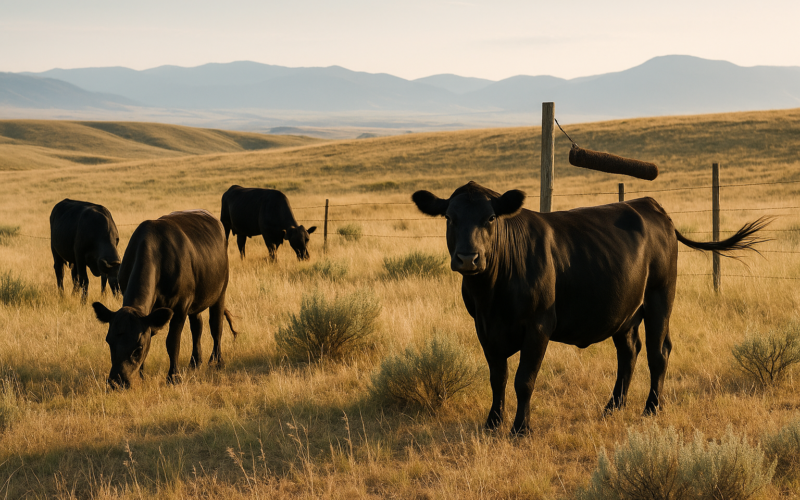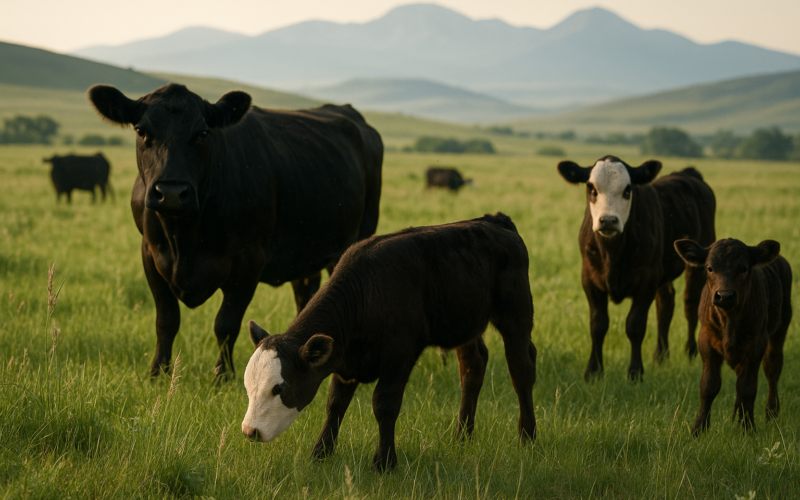
Turnout is the one job on the ranch where you do the work in June and don’t find out if you got it right until you preg-check in the fall. By then it’s too late to fix anything. A bull that came up short, or a pasture that had too many cows on too few bulls, shows up as a string of opens and a calving season that dribbles on into May. The cows don’t tell you a thing until the vet’s arm does.
Most of the trouble traces back to two decisions you make before the trailer gate ever swings open: whether the bull can actually breed, and how many cows you ask him to cover.
A bull that looks sound isn’t the same as one that settles cows
A breeding soundness exam is cheap insurance, and a lot of outfits still skip it. The idea that a bull is fertile because he was fertile last year, or because he’ll ride a cow, doesn’t hold up. Fertility slides. A bull can freeze his sheath in a cold snap, run a fever, take a hit to the pizzle in the corral, or come through winter carrying too little condition, and any of it can knock him back for weeks or drop him out entirely. He’ll still stand at the water tank looking like a bull.
The exam checks the three things you can’t eyeball: semen quality, the reproductive tract, and whether the whole rig moves right. A vet measures scrotal circumference, pulls a sample and looks at motility and morphology, and goes over his feet, legs, eyes, and back. A bull that grades a satisfactory potential breeder is worth turning out. One that’s a question mark you either recheck or leave home.
Time it a few weeks ahead of turnout so you’ve got room to react. Semen takes roughly two months to make, so a bull that’s off in early June may have been set back by something that happened in April. Testing right at the gate leaves you no time to line up a replacement.
The ratio decides whether one bull carries the load or gets buried
The rough rule most people run on is one cow per month of the bull’s age, up to a point. A yearling covers maybe fifteen to twenty. A mature, proven bull in good shape can handle twenty-five to thirty-five, sometimes more on tight, easy country. The mistake is running a young bull like a veteran. Turn a two-year-old out on sixty cows and he’ll breed hard through the first cycle, then run himself thin and start missing cows in the second and third. You end up with a front-loaded calf crop and a tail of late ones.
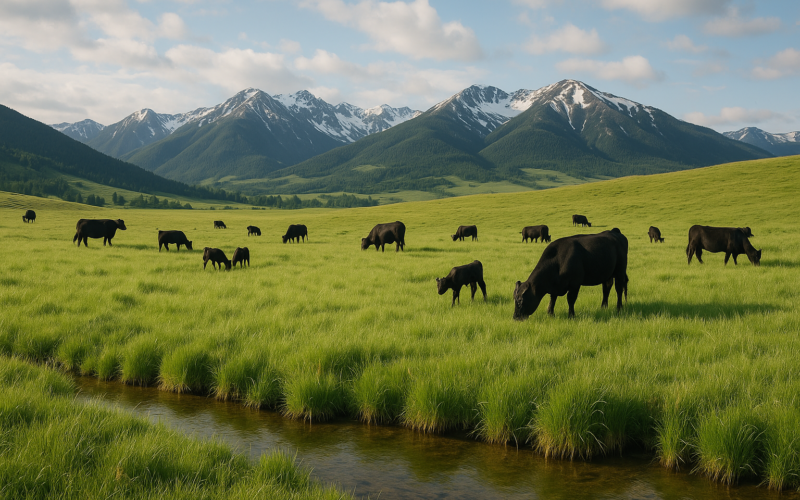
Terrain changes the math more than people give it credit for. On big, broken summer range in the Missouri Breaks or up in the foothills, a bull walks miles between bunches and can’t cover the same number he’d handle on a flat quarter-section of irrigated pasture. Rough country, brushy draws, and cows scattered to the far corners all cut into how many he actually gets bred. Figure the ratio for the ground you’re on, not the number on a chart.
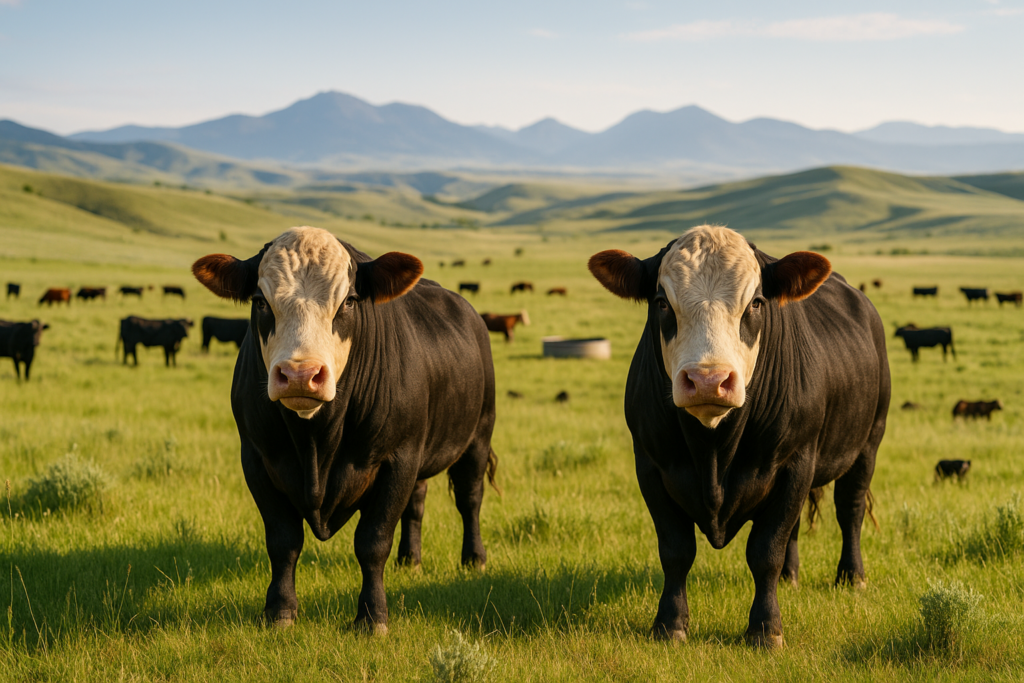
If you run bulls in groups, watch for the boss bull that spends his energy fighting instead of breeding, and the young one that gets run off and never gets a chance. Multi-sire pastures spread the risk if one bull comes up short, but they can also mask a freeloader who’s along for the ride.
Ride through them during breeding, not just after
Turning bulls out isn’t the end of it. Slip through the cows a few times over the first several weeks and actually watch. A working bull is doing his job — following cows in heat, mounting, staying with the bunch. If you see cows cycling back around and coming into heat again on a regular clock, something’s wrong. Cows repeating at eighteen to twenty-four days means they didn’t settle the first time, and that’s your early warning that a bull isn’t getting it done.
Look him over while you’re out there. A bull that’s gone lame, dropped condition fast, or is standing off by himself at the tank is telling you he’s out of the game. Catching it in week three gives you time to pull him and slide in a replacement before the breeding season slips away. Catching it at preg-check gives you nothing but a bill and a scattered calving line.
Pull the bulls when your breeding window closes — sixty to seventy-five days for most spring outfits. Leaving them in all summer just stretches calving into a mess that ties up your labor and gives you a set of light calves come sale day. A tight breeding season starts with a bull that works and a ratio that’s honest about what he can do.