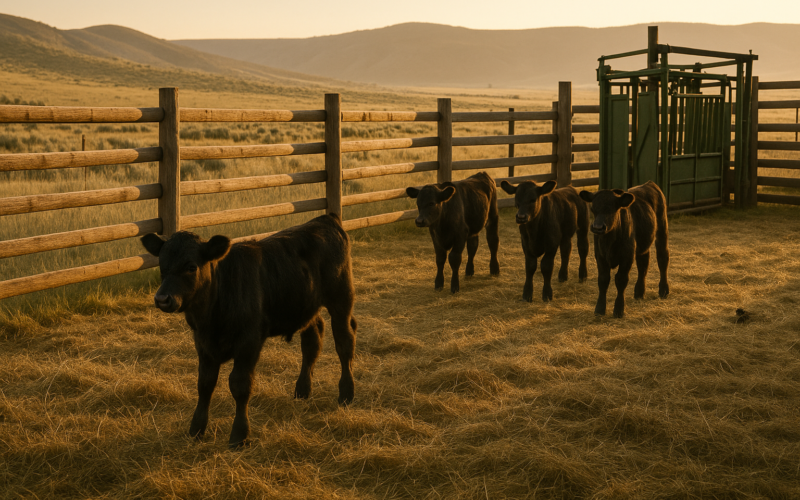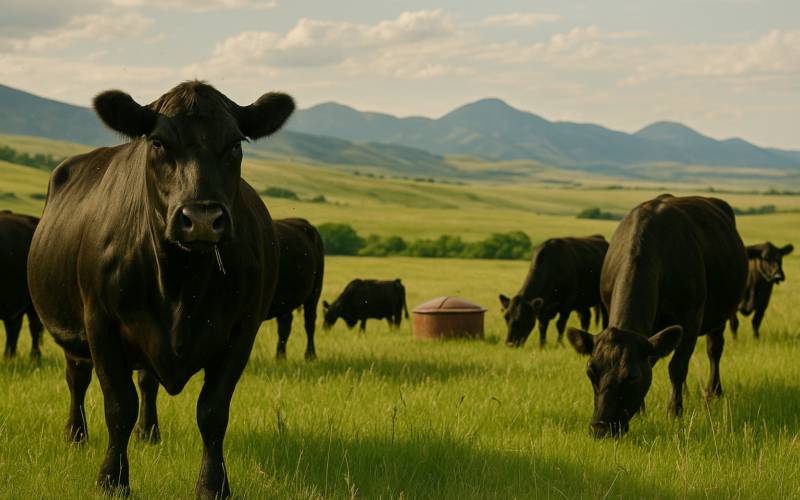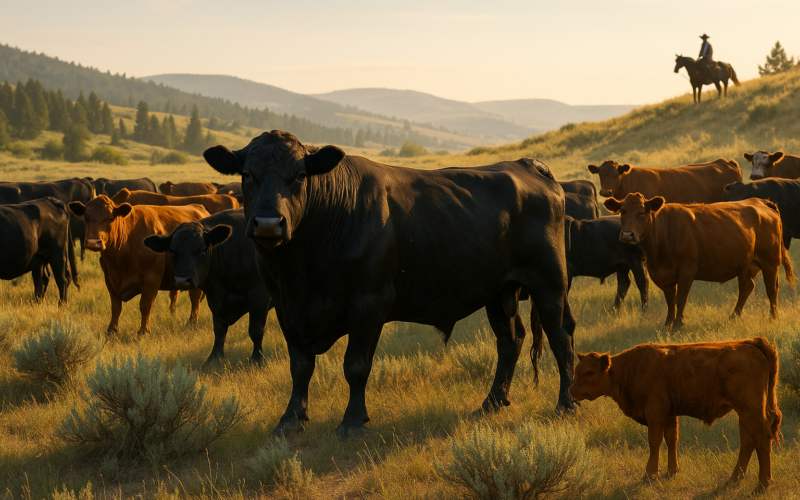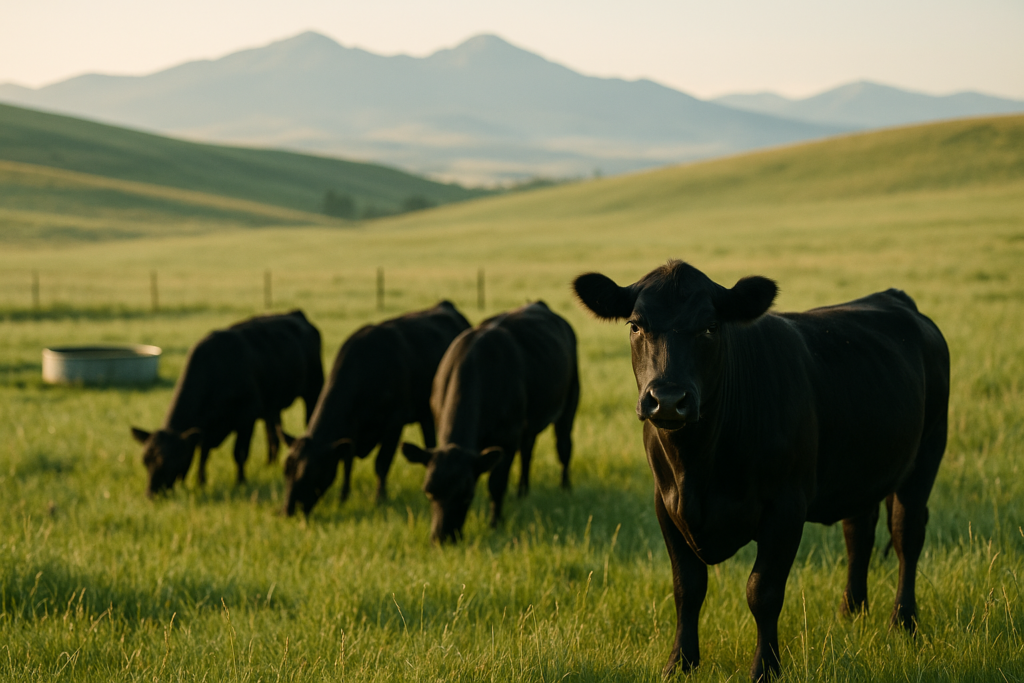
Most outfits turn the bulls out with the cows and, a few days later, drift the replacement heifers into the same routine because it’s one less bunch to think about. It works right up until you’re pulling calves out of a two-year-old in the mud and then watching that same heifer come up open the following fall. The heifer’s whole future gets written in a two- or three-week window in June, and it’s cheaper to set it up right than to fix it later.
The idea behind breeding heifers ahead of the cow herd is simple. A first-calf heifer is still growing while she’s raising a calf and trying to breed back. That’s three jobs at once on a body that isn’t finished yet. If she calves two or three weeks before the mature cows, she gets that much more time to recover and cycle again before the bulls go back out the next spring. Breed her right alongside the cows and she’s always playing catch-up. The heifer that calves late her first year tends to calve late every year after, sliding a little further back until she’s the one you cut.
Weight and readiness matter more than the calendar
A heifer breeds on condition, not on birthday. The old target of roughly two-thirds of her expected mature weight at breeding still holds up. A heifer bred to weigh out at 1,300 as a cow ought to be pushing 850 or so before you expect much out of her. Run your hands on a few or put a random draft across the scale. If they’re behind, another couple weeks of decent gain does more good than another shot of anything.
The trap is letting them stall. Heifers that gain steady through spring and then hit a wall when the grass gets ahead of them and coarsens up will quit cycling on you. Keep them on ground that’s still green and growing, or supplement enough to hold the gain. A heifer that’s losing ground in June is a heifer that breeds late or not at all.
If you’ve got a chute and a willing vet, a reproductive tract score before breeding tells you which heifers are actually cycling and which are still babies inside. It’s not necessary, but it’ll save you from turning bulls out on a bunch that isn’t ready.
Keep the window short and the calf small
Two things pay off with heifers that don’t pay the same way with cows: a short breeding season and a calving-ease bull.
Hold heifers to one or two cycles with the bull, roughly 40 to 45 days, then pull him. The heifers that don’t settle in that window are the ones you want to find out about now, while they’re still worth good money as feeders or open replacements, rather than carrying them all summer to preg-check open. A tight window is the cheapest fertility test you’ll ever run, and it front-loads your calving so the heifers all come at the start.
Put a low-birth-weight bull on them, and mean it. A big calf out of a two-year-old costs you the calf, sometimes the heifer, and almost always the rebreed even when everybody lives. The pelvis on a heifer isn’t finished, and no amount of good intentions at 2 a.m. changes that. If you AI, this is where it earns its keep, because you can use a proven calving-ease sire you’d never afford to buy in the flesh.
Don’t overload a young cleanup bull, either. A yearling bull running heifers can’t cover the numbers an older bull covers, and heifers cycling tight in a short window will run him down. Fewer females per bull on this bunch than you’d give a mature bull on the cows.
Handle them like the investment they are
Heifers are green. They walk fences, they bunch in the corner, and they take a while to settle onto new ground and figure out where the water is. Give them your quietest pasture and your best water, close and reliable, and spend the hour it takes to trail them out calm the day you turn them. A bunch that’s still nervous and walking isn’t a bunch that’s cycling.
None of this is complicated, but it all lands in the same two or three weeks. Set the heifers up to calve early, breed them tight, keep the calves small, and the ones that make the cut will pay you back for years. The corners you cut in June show up as open heifers and late calves long after you’ve forgotten which shortcut caused them.