Quick takeaways
- Remote terrain in Yellowstone and Montana demands careful planning and safety measures.
- Traveling with companions can be lifesaving during emergencies in the backcountry.
- Proper communication tools and knowledge of rescue protocols are essential for outdoor activities.
- Preparedness reduces risks associated with injuries far from help.
A close call in Yellowstone’s backcountry
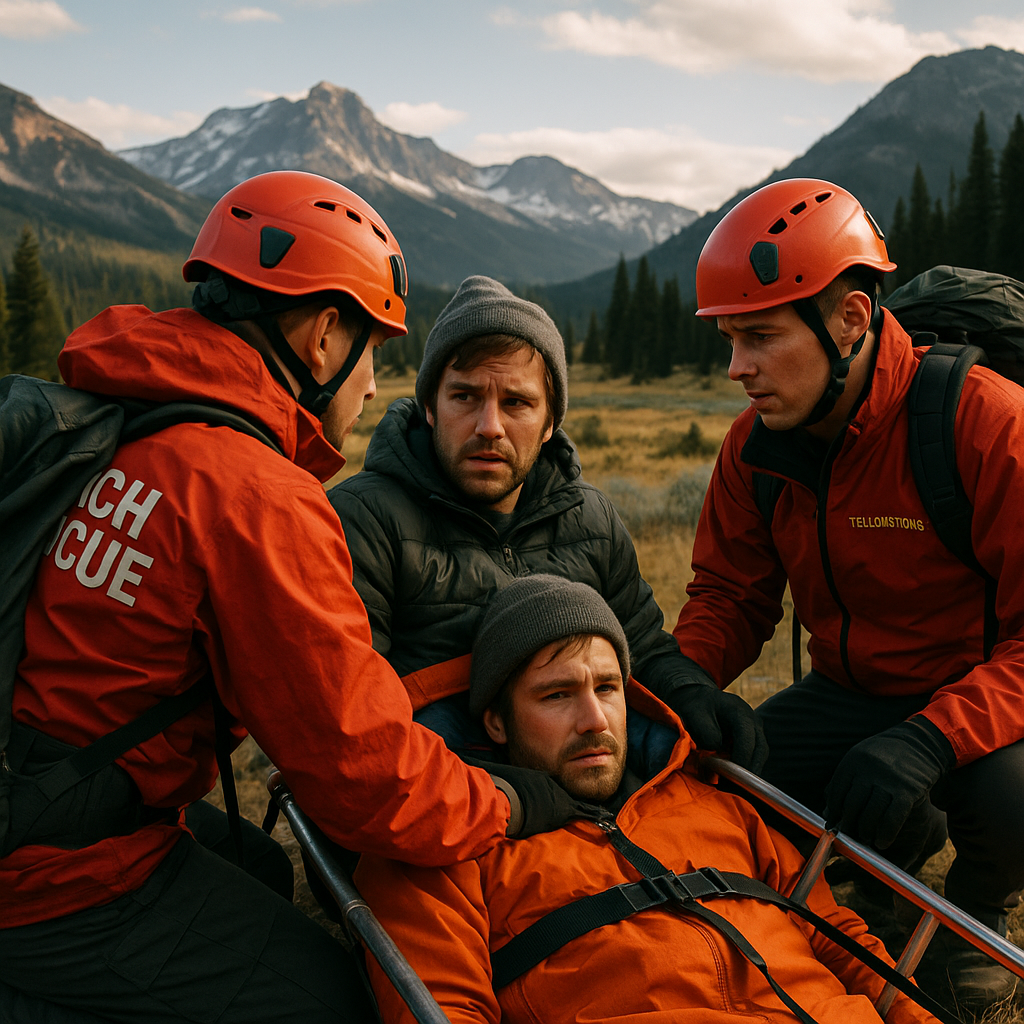
Reports indicate a photographer exploring a remote area of Yellowstone National Park suffered a broken leg, leading to a challenging rescue. Fortunately, she was not alone, and her companions were able to summon help, underscoring the crucial importance of having a support network when venturing into wilderness areas.
Why companionship matters in Montana’s wild places
Montana’s vast public lands, including Yellowstone, offer unparalleled opportunities for hunting, fishing, photography, and exploration. Yet the rugged terrain and unpredictable conditions pose real risks. Being alone in such environments can magnify the danger if injury or illness occurs.
Traveling with at least one companion not only increases safety but also improves the chances of a timely rescue. Companions can provide immediate aid, communicate for help, and help navigate difficult terrain.
Essential safety tips for Montana’s backcountry visitors
- Inform others of your plans: Always let someone know your itinerary and expected return time.
- Carry reliable communication devices: Satellite messengers or emergency beacons can be lifesaving where cell service is unavailable.
- Prepare for emergencies: Pack a first aid kit and learn basic wilderness medical skills.
- Dress and gear appropriately: Weather can change rapidly; layers and sturdy footwear are a must.
- Know the terrain: Study maps and consider weather forecasts before heading out.
Responding if you encounter an injured person in the wild
If you come across someone injured in a remote area, it’s vital to assess the situation calmly.
- Provide immediate first aid as trained.
- Keep the person warm and comfortable.
- Use communication devices to call for professional rescue assistance.
- Do not attempt risky evacuation without help.
What this means for Montana
This incident in Yellowstone is a powerful reminder for Montana’s hunters, anglers, photographers, and outdoor enthusiasts about the risks inherent in remote wilderness areas. It highlights the need for thorough preparation, traveling with companions, and carrying appropriate safety gear. The vastness of Montana’s natural landscapes can quickly turn an enjoyable outing into a life-threatening situation if precautions are not taken.
Montana Fish, Wildlife & Parks and other agencies often emphasize these safety measures, but stories like this reinforce their critical importance. Whether you’re navigating the high country for elk hunting or casting a line on a remote trout stream, preparedness is key.
Resources for Montana outdoor safety
- Montana Fish, Wildlife & Parks – Outdoor safety tips and regulations
- Yellowstone National Park Safety Information
- Ready.gov: Wilderness Survival
- REI Expert Advice: Backcountry Safety
Staying vigilant and taking sensible precautions can make all the difference in Montana’s wild places. This near-tragedy in Yellowstone serves as a cautionary tale and a call to action for every outdoor enthusiast.
Inspiration: “yellowstone national park” – Google News