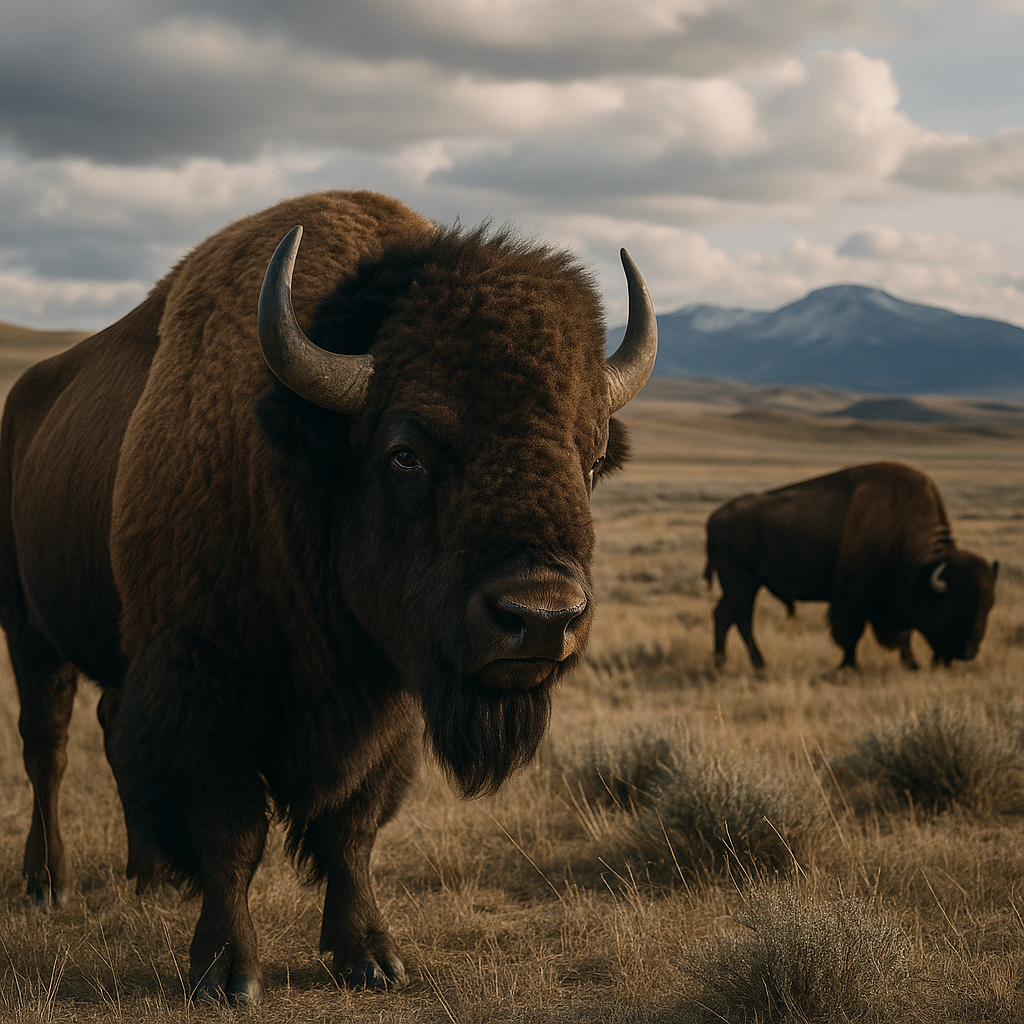
Background: Bison Grazing Permits in Montana
American Prairie, a large conservation group operating in north-central Montana, has reportedly challenged a recent decision by the Bureau of Land Management (BLM) that revoked its grazing permits for a managed bison herd. These permits allowed American Prairie to graze bison on public lands, supporting their efforts in wildlife restoration and prairie ecosystem management.
BLM’s January Decision and Its Implications
In January, the BLM reversed its previous authorization, withdrawing the grazing permits that had been used by American Prairie. While specific reasons for the revocation have not been fully detailed publicly, reports indicate the agency cited concerns related to grazing impacts and land use policies.
American Prairie’s Response
In the wake of the BLM’s action, American Prairie has initiated a challenge against the decision, emphasizing the importance of bison restoration efforts in Montana’s prairie landscapes. The organization argues that bison grazing plays a crucial role in maintaining grassland health and biodiversity, aligning with both conservation goals and responsible land stewardship.
Quick Takeaways
- BLM revoked American Prairie’s bison grazing permits in January 2024.
- The decision impacts bison management on public lands in north-central Montana.
- American Prairie is actively challenging the revocation.
- The dispute highlights tensions around public land grazing policy and native species restoration.
- Future rulings could influence wildlife management and ranching practices in the region.
Context: Bison and Public Land Use in Montana
Bison restoration has been a focus for conservationists aiming to revive native prairie ecosystems in Montana. American Prairie operates one of the largest bison herds on public and private lands, blending efforts in conservation, ranching, and tourism.
However, grazing permits on federal lands remain subject to regulatory oversight, balancing multiple uses including livestock grazing, wildlife habitat preservation, and recreational access. The BLM’s decision reflects the complexity of managing these sometimes competing interests.
What This Means for Montana
The permit revocation and ensuing legal challenge could set a precedent for how bison grazing is regulated on public lands across Montana and the Northern Plains. For ranchers, conservation groups, and hunters alike, the outcome may influence access to grazing lands, wildlife populations, and land management strategies.
Additionally, this situation underscores ongoing debates about the role of native species restoration versus traditional livestock grazing in Montana’s public land framework. Stakeholders will be watching closely as the dispute unfolds, given its potential to affect both wildlife conservation and the local agricultural economy.
Looking Ahead
The challenge from American Prairie is expected to prompt further dialogue between federal agencies, conservationists, and local communities. Monitoring updates from the BLM and American Prairie will be essential for understanding how this issue evolves and what it means for Montana’s landscape and wildlife management.
For those interested in Montana’s hunting, fishing, farming, and ranching sectors, this story is a reminder of the delicate balance between conservation initiatives and established land use practices.
Inspiration: Northern Ag Network