For Montana hunters, anglers, ranchers, and farmers, Yellowstone National Park is a treasured neighbor and a symbol of wild, rugged landscape. While most are familiar with the park’s summer appeal, winter presents a wholly different experience—one that requires thoughtful planning and preparation. As winter 2026 approaches, visitors interested in exploring Yellowstone’s interior during this season need to be aware of the unique challenges and opportunities that come with winter access.
Quick takeaways
- Yellowstone’s interior is accessible during winter 2026 but with limited access compared to other seasons.
- Travel logistics require planning for winter weather and specialized transportation like snowcoaches or snowmobiles.
- Roads inside Yellowstone are generally closed to private vehicles during winter.
- Reservations or permits may be necessary for winter travel inside the park.
- Reports indicate winter offers unique wildlife viewing opportunities not available in warmer months.
Accessing Yellowstone’s Interior in Winter
Yellowstone National Park’s interior—including iconic areas like Old Faithful and the Upper Geyser Basin—remains accessible during winter 2026. However, access is notably limited compared to spring, summer, and fall. The National Park Service manages the park year-round, but winter conditions require special considerations. Roads that are open to private vehicles in warmer months are generally closed during winter, necessitating alternative transportation methods.
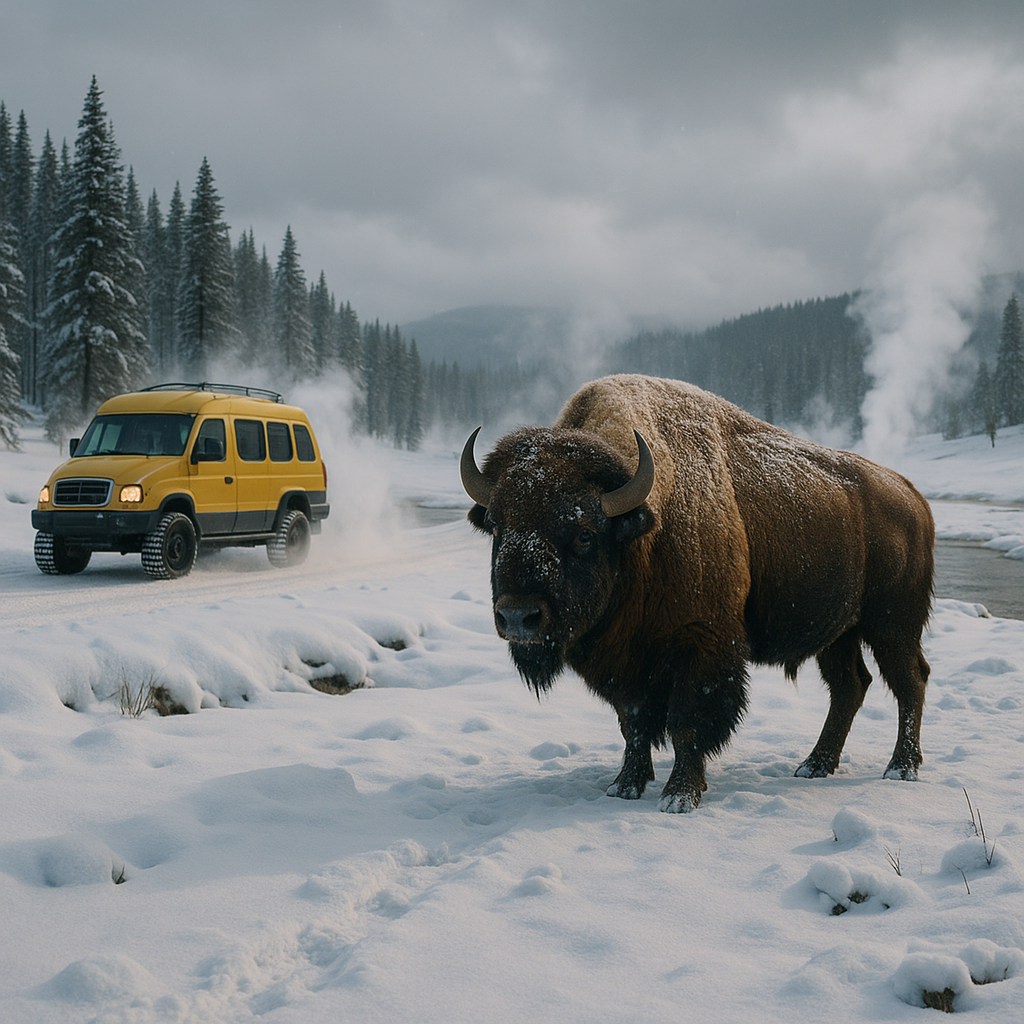
Visitors often rely on snowcoaches or snowmobiles to reach the park’s interior when snow blankets the landscape. These modes of travel are practical for navigating snowy terrain and help preserve the park’s fragile winter environment. Though the exact transportation requirements and reservation processes are not fully detailed, it is clear that planning ahead is essential to secure access and ensure compliance with park regulations.
Planning and Preparation for Winter Travel
Winter travel to Yellowstone requires careful preparation to address the challenges of cold temperatures, snow, and limited road access. Visitors should monitor current conditions closely and be ready to adapt plans as weather changes. Proper clothing, equipment, and knowledge of winter safety are critical for an enjoyable and safe experience.
The National Parks Traveler has published a detailed guide focused on staying in Yellowstone’s interior during winter 2026, with Part 1 emphasizing the importance of transportation planning. Travelers should anticipate the need for permits or reservations and should confirm these requirements well in advance.
Wildlife Viewing Opportunities
Reports indicate winter in Yellowstone offers unique chances to observe wildlife as animals gather near thermal features and open water sources. While the guide does not elaborate extensively on specific species or viewing techniques, Montana outdoors enthusiasts can expect a quieter park with wildlife activity shaped by the season’s constraints. This offers a rare window into the park’s ecosystem during one of the most challenging times of the year.
What This Means for Montana
Montanans who enjoy hunting, fishing, farming, and ranching understand the importance of seasonal cycles and adapting to changing conditions. Yellowstone’s winter access aligns with this ethos, requiring respect for the natural environment and adherence to safety and regulatory measures. The park’s winter policies also help protect wildlife populations and preserve natural habitats critical to the region’s ecological health.
For Montana residents and visitors, the availability of Yellowstone’s interior in winter 2026 presents an exciting opportunity to experience one of the West’s most iconic landscapes under snow and ice. However, it also demands a commitment to thorough planning, an understanding of winter travel logistics, and a readiness for the unpredictable mountain weather. Engaging with the National Parks Traveler’s guide and checking for updates from the National Park Service will help ensure a rewarding and responsible trip.

Whether you’re considering a winter visit to Yellowstone for wildlife viewing, photography, or simply to experience the park’s dramatic winter landscape, preparation and respect for the park’s winter regulations are paramount. This approach echoes the values of Montana’s outdoor community—patience, preparedness, and a deep appreciation for the natural world.
Inspiration: “yellowstone national park” – Google News