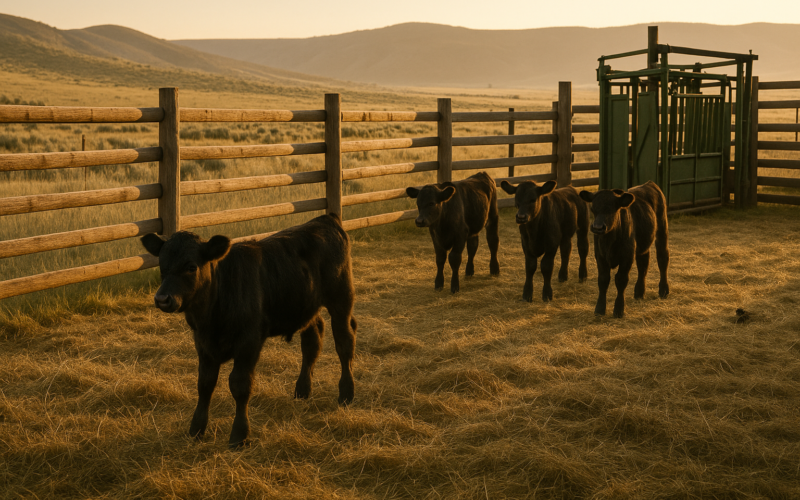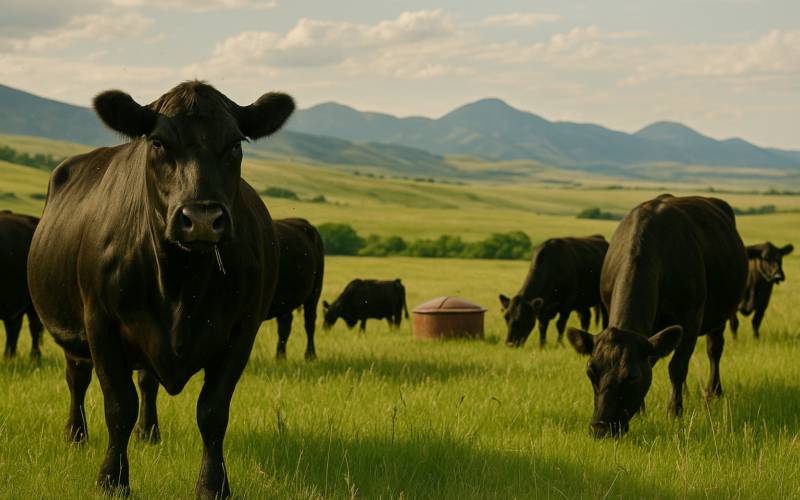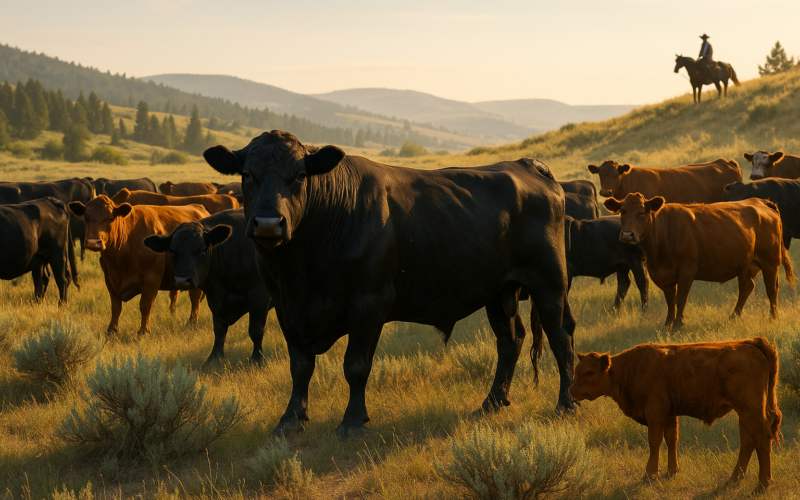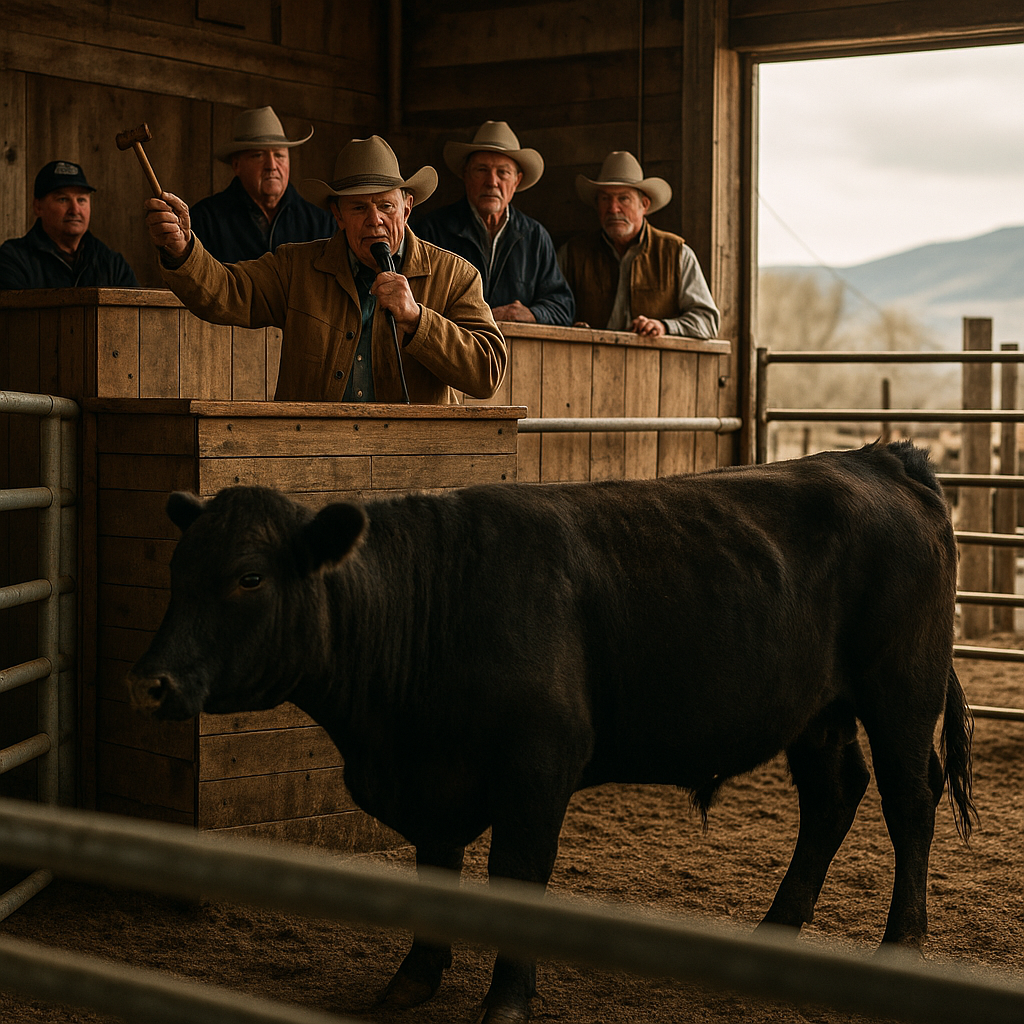
Ranch country runs on dependable outlets—places to sell a set of calves, sort cull cows, or buy replacement heifers without driving half a state away. That’s why news that the Montana Livestock Auction is expected to continue operating is landing as a relief for many producers and buyers who rely on a steady weekly market.
While details appear limited in early reporting, the headline takeaway is straightforward: reports indicate the sale barn will keep the lights on and the auction ring active. For communities built around livestock, continuity matters as much as price—because when marketing options shrink, competition can thin out fast.
Quick takeaways
- Reports indicate operations will continue, preserving a local marketing option for cattle and other livestock.
- Sale barns support more than sellers—they’re a hub for buyers, truckers, veterinarians, and nearby businesses.
- Competition and transparency at an auction can help price discovery, especially in volatile markets.
- Producers should confirm schedules and requirements before shipping, including health paperwork and delivery windows.
Why sale barns still matter in 2026
Montana’s cattle business has changed over the decades—bigger trucks, more direct contracting, more video sales, and more data. But the local auction barn remains the “town square” of livestock marketing in many areas. It’s where a producer can move a mixed load, where a buyer can fill orders, and where market signals show up in real time.
Even when calves are marketed through other channels, auctions play a key role for:
- Cull cows and bulls moving out of the herd after pregnancy checks or winter feeding decisions.
- Smaller lots that don’t pencil out for long-haul shipping.
- Replacement cattle—especially for operators who prefer to buy in person.
- Sheep and goats in areas where mixed-species operations are common.
When a barn closes, the ripple can be immediate: longer hauls, fewer buyers in the country, and more stress on scheduling. That’s why reports that the Montana Livestock Auction will continue are being watched closely by producers who build their marketing plan around weekly sales.
What “continuing” could mean—and what to verify
Because early reports don’t always include the full operational picture, it’s worth separating what’s known from what still needs confirmation. “Continuing” can mean several things in the auction world: maintaining regular sale dates, keeping the same ownership structure, or simply staying open while changes are made behind the scenes.
If you’re planning to ship cattle in the coming weeks, it’s smart to verify a few practical items directly with the auction and your usual contacts:
- Sale schedule: Regular weekly sales, special feeder sales, bred cow sales, or horse sales (if applicable).
- Receiving hours: When cattle can be delivered and whether appointments are needed.
- Health requirements: Brand inspection, vaccination expectations, and any testing requirements that may apply.
- Consignment process: Whether consignments are taken by phone, online, or in person.
- Payment timelines: How checks are issued and any changes to buyer approval policies.
For broader guidance on animal health and movement requirements, producers can also reference the Montana Department of Agriculture and the Montana Department of Livestock, which provide information related to livestock health, inspection, and market oversight.
The economic ripple: more than a place to sell cattle
A livestock auction is a business, but it’s also infrastructure. On sale day, the parking lot tells the story: pickups from three counties, pot loads rolling in, order buyers with lists, and neighbors catching up along the alleyways. That activity supports a chain of work that often doesn’t show up in the market report.
When a barn stays open, it helps keep dollars circulating locally through:
- Trucking and hauling—from local stock trailers to commercial pot loads.
- Feed, fuel, and repairs—tires, welding, and parts bought close to home.
- Veterinary and animal health services—especially around preg-check and cull decisions.
- Local hospitality—cafes, motels, and small businesses that see sale-day traffic.
For many rural towns, losing an auction barn isn’t just losing a business. It’s losing a weekly event that ties together the working landscape.
Market transparency and price discovery
One of the most practical reasons producers value an auction is price discovery. Even if you don’t sell every class of cattle through the ring, the sale report and the bids in the barn give a real-time snapshot of what buyers are willing to pay on that day.
That transparency can be especially important when markets are choppy—whether the driver is feed costs, drought impacts on pasture, national herd liquidation, or shifting demand. Auctions don’t eliminate volatility, but they do provide a public benchmark that helps producers make decisions on timing and weight.
For producers comparing options, it can help to track prices through multiple sources, including USDA market reporting. The USDA Agricultural Marketing Service Market News is one place many cattlemen check to compare trends across regions and classes.
What this means for Montana
If the Montana Livestock Auction continues as reports indicate, it’s a stabilizing development for a state where distance is always part of the equation. Keeping a functioning local auction reduces the need for longer hauls, preserves competition among buyers, and helps maintain a marketing outlet for producers who run smaller herds or sell mixed loads.
It also matters for younger and beginning ranchers. Access to a nearby, familiar market can lower the barrier to entry—both for selling and for buying replacements—compared to trying to navigate distant markets or private treaty deals without a deep network.
On the community side, an operating sale barn keeps a piece of rural culture intact. In Montana, that’s not nostalgia—it’s practical. Relationships built on sale day often turn into pasture leases, hay deals, winter grazing arrangements, and the kind of neighbor-to-neighbor problem-solving that keeps operations afloat when weather and prices don’t cooperate.
What to watch next
Even with encouraging reports, producers and buyers will be watching for the specifics that determine how smoothly “continuing” translates into day-to-day operations. Key indicators include consistent sale dates, steady buyer turnout, and clear communication on receiving and consignment procedures.
In the meantime, the best approach is straightforward: confirm your shipping plan, keep paperwork in order, and stay in touch with the barn and your regular buyers. In cattle country, certainty is valuable—and any sign of continuity in local marketing options is worth paying attention to.
Inspiration: “montana cattle” – Google News (link)