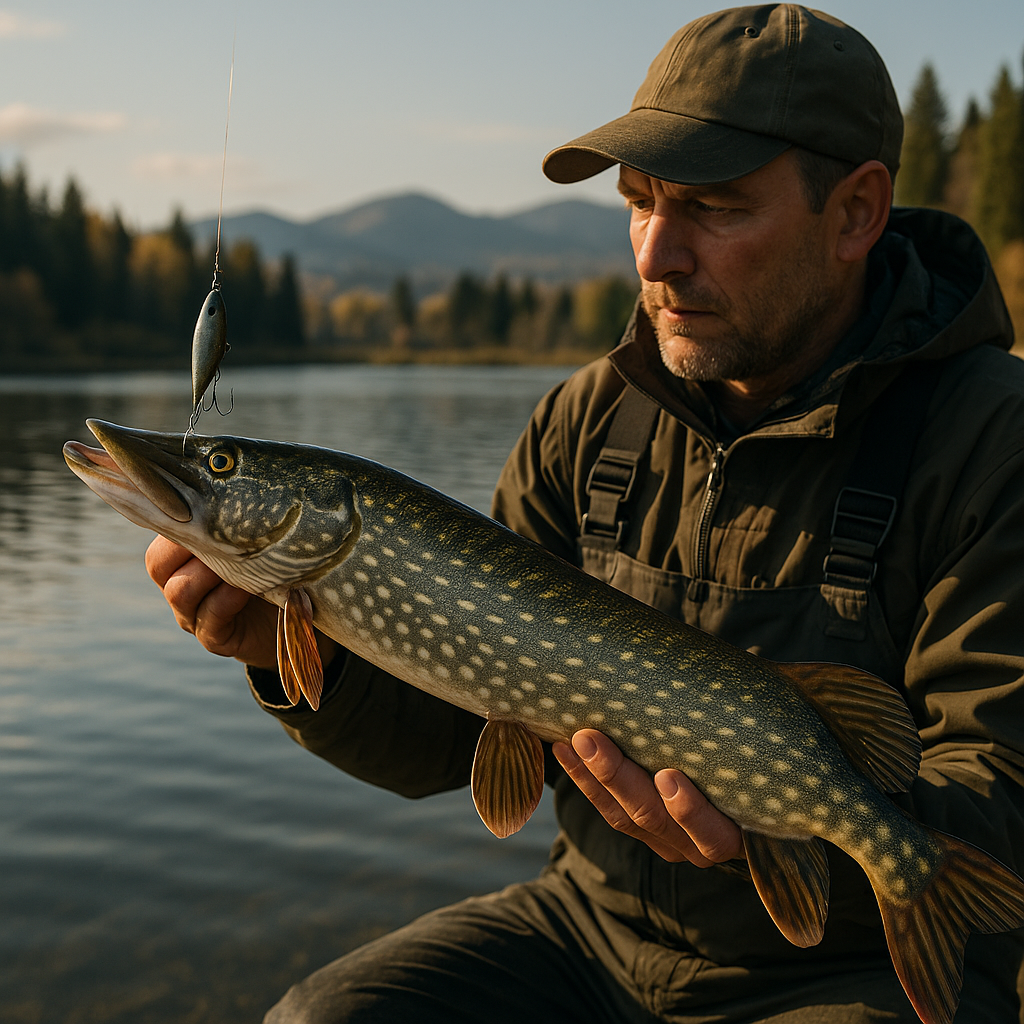
Reports indicate northern pike have turned up in Pine Grove Pond in Kalispell—an unwelcome surprise in a small water that’s been managed with trout anglers in mind. Montana Fish, Wildlife & Parks (FWP) is investigating the situation as a suspected illegal introduction and is asking the public for information.
In Montana, moving live fish from one water to another without authorization isn’t just “bad etiquette.” It can unravel years of fisheries management in a single season, especially when a top predator like pike shows up in a pond built for stocked trout and family fishing.
Quick takeaways
- FWP is investigating reports of northern pike in Pine Grove Pond and is seeking information on how they got there.
- Illegal fish introductions can crash trout fishing by adding a predator that wasn’t part of the management plan.
- Anglers should follow regulations for reporting, handling, and transporting fish—never move live fish between waters.
- If you have credible information, contact FWP (and local law enforcement if needed) rather than posting accusations online.
What’s going on at Pine Grove Pond
Pine Grove Pond is the kind of local water many Flathead Valley families rely on: close to town, approachable shoreline access, and typically managed to provide consistent fishing opportunities. That’s exactly why unauthorized fish introductions are so damaging in places like this.
According to reports being reviewed by FWP, northern pike were found in the pond. Even a small number of pike can make a noticeable dent in a stocked trout fishery. In a confined pond environment, predators can quickly reduce catch rates and alter the balance of the entire system.
FWP’s investigation focuses on when the fish first appeared, whether the introduction was recent, and whether additional fish may be present. In cases like this, agency biologists may use sampling, angler reports, and other tools to determine the scope of the problem.
Why pike are a big deal in a trout pond
Northern pike are built to eat other fish. They’re efficient ambush predators, and in smaller waters they can be especially disruptive. In a pond managed for trout, pike can:
- Reduce trout survival by preying on stocked fish soon after planting.
- Shift the fish community by targeting not only trout, but also forage species that support other gamefish.
- Change angler expectations—a water intended for kids and casual anglers can become inconsistent or frustrating.
- Create long-term management costs if removal or reclamation becomes necessary.
In Montana, pike are a valued sportfish in waters where they’re part of the management plan. But in the wrong place—especially in connected waters or near sensitive trout habitat—FWP has long treated unauthorized pike introductions as a serious threat.
How illegal fish introductions happen (and why “just a few” is too many)
FWP typically sees a few common pathways when fish show up where they don’t belong:
- Bucket transfers: someone moves fish from one water to another “to create a fishery.”
- Livewell releases: fish kept alive after fishing elsewhere are dumped into a different water.
- Unauthorized bait releases: in some places, releasing live bait can introduce unwanted species (and diseases).
Even if the intent is “more fishing opportunity,” the reality is that Montana’s waters are managed with specific goals—sometimes to protect native trout, sometimes to provide stocked fisheries, sometimes to balance multiple species. Introducing a predator like pike without planning can set off a chain reaction that’s hard to reverse.
What anglers should do if they catch a pike there
Regulations can vary by water and can change, so the safest move is to confirm the current rules before you act. Start with FWP’s official resources and the current Montana fishing regulations.
Practical steps if you believe you’ve caught a northern pike in Pine Grove Pond:
- Document it: take clear photos (both sides if possible) and note the date and location.
- Report it: contact the local FWP office or use FWP’s reporting channels. If you suspect criminal activity, consider reporting to enforcement.
- Do not transport live fish: never move fish to another water—this is one of the main ways problems spread.
- Follow the regs on retention/disposal: if regulations allow or require harvest, do so legally and dispose of the fish properly. If you’re unsure, ask FWP first.
Also, avoid turning social media into a rumor mill. If you have credible information about who may have moved fish, provide it directly to enforcement. Public accusations can muddy an investigation and unfairly target people who had nothing to do with it.
What FWP is likely weighing: control options and tradeoffs
When an unwanted species shows up in a small pond, managers typically consider several options, depending on the size of the water, connectivity to other waters, and how established the fish are:
- Targeted removal through angler harvest and agency efforts
- Increased monitoring to determine whether pike are reproducing
- Reclamation (in some cases) to reset the fish community—often a last resort because it affects all fish in the water
FWP hasn’t publicly detailed next steps in this case beyond the investigation and request for information, but the agency’s broader approach in similar situations is typically guided by preventing spread and protecting the intended fishery.
What this means for Montana
This isn’t just a Kalispell issue. Montana’s fishing economy and outdoor culture rely on predictable, well-managed waters—everything from small-town ponds to blue-ribbon rivers. When illegal introductions happen, they can:
- Undercut local fishing access by degrading “easy-entry” waters that serve beginners and kids.
- Increase management costs, shifting time and money away from habitat work, access sites, and other fisheries projects.
- Raise the risk of spread if fish move downstream or are carried to other waters (intentionally or not).
- Fuel conflict between different angling interests—when the real problem is the unlawful act, not lawful fishing for any species.
For Montana hunters, anglers, farmers, and ranchers, the theme is familiar: once an invasive or unwanted species gets established, the bill comes due for everyone—landowners, sportsmen, and agencies alike. Prevention is cheaper than cleanup.
How to help (without making things worse)
If you fish Pine Grove Pond—or any community water—there are a few simple habits that protect Montana’s fisheries:
- Never move live fish between waters, even minnows or “bait” fish.
- Drain and dry boats, kayaks, and gear to reduce the spread of aquatic invasive species.
- Learn to identify common species (pike, bass, perch, trout) so you can report unusual catches accurately.
- Report suspicious activity—especially fish being transported in buckets, coolers, or livewells near waters where it doesn’t make sense.
For official guidance, regulations, and contacts, visit Montana Fish, Wildlife & Parks and review the current Montana fishing regulations (confirm the latest version for your district and waterbody).
Inspiration: Montana Outdoor