With almond bloom underway in California’s Central Valley, a recent ag program focused on a key input that can make or break the crop: bees. The discussion centered on pollination timing, hive health, and how a short three- to four-week bloom window leaves little room for delays.
Recent storms have added pressure. Rain can help reservoirs and soil moisture, but it can also slow pollination by keeping bees grounded in heavy rain, cold temperatures, or high winds. Muddy orchard conditions can also delay hive placement, and growers who haven’t secured hives as bloom advances could face a squeeze.
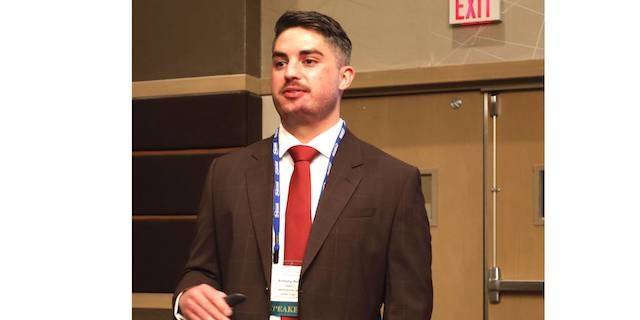
An interview with BeeHero’s field marketing manager highlighted a shift toward more data-driven pollination. Instead of relying only on a standard two-hives-per-acre approach, the company uses in-hive sensors to evaluate colony strength and frame counts before hives are placed, giving growers more visibility into what they’re getting.
The episode also noted broader pressures on hive supply and security. Nearly every commercial beehive in the country is said to eventually head to California for almond pollination, meaning losses can quickly tighten availability. The program pointed to last year’s higher losses tied to Varroa mite resistance, and said hive theft—sometimes involving hives valued at hundreds of dollars each—remains a concern in rural counties.
Hosts also underscored the biology behind the urgency: bees pollinate about one-third of the food people eat, worker bees live roughly 30 to 40 days, and bloom is the one annual chance to set the crop. The message was straightforward: without healthy hives in the orchard during bloom, other inputs don’t matter.
Why it matters
- Almond pollination happens in a narrow three- to four-week window, and missed timing can affect yields.
- Storms can disrupt bee flight and delay hive placement, complicating already tight logistics.
- Hive strength, losses, and theft can all impact the availability and performance of pollination services.
What to do next
- If you’re managing orchards, confirm hive placement plans and access conditions as bloom progresses and storms move through.
- Ask for clear information on colony strength and health before deployment, especially when supply is tight.
Source
Original reporting by agnetwest.com: https://agnetwest.com/bee-season-in-full-swing-highlighting-pollination-urgency-for-almond-growers/