The Kalberer family has taken a bold step toward sustainable farming by adopting virtual fencing collars for their livestock. This innovative decision marks a significant shift in their operational approach, promising enhanced livestock management and environmental benefits.
What’s Happening
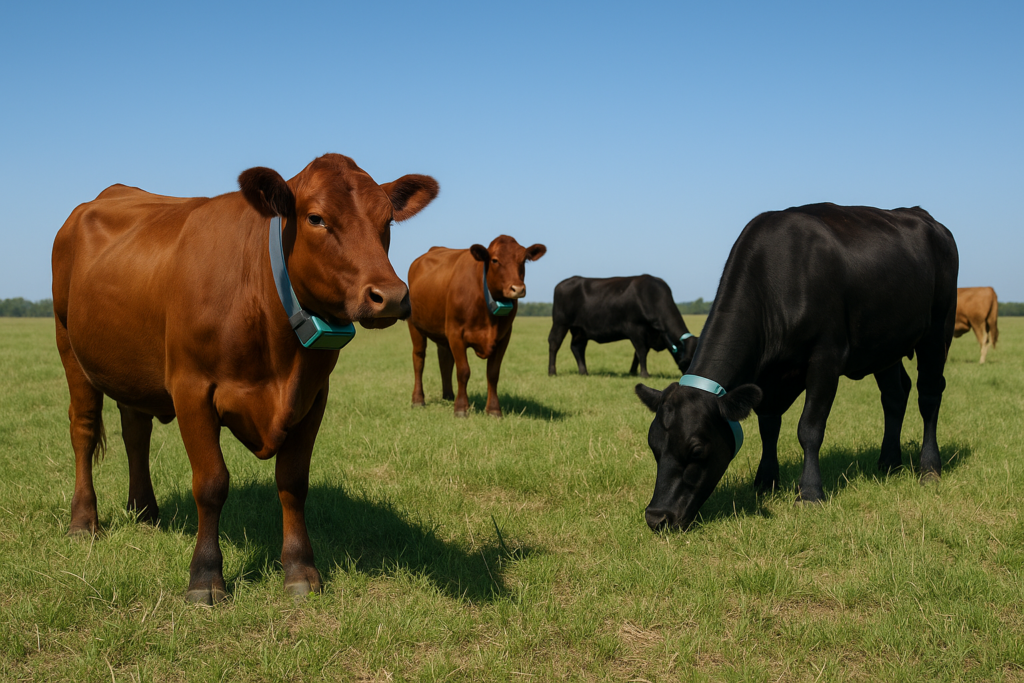
The Kalberers, a prominent farming family, have implemented virtual fencing collars on their farm to streamline cattle management. These collars use GPS technology to keep livestock within designated areas without the need for physical barriers. The decision comes after thorough consideration of the technological and economic impacts, aiming to modernize their practices while maintaining animal welfare and land integrity.
Virtual fencing allows farmers to set virtual boundaries using a computer or smartphone, significantly reducing the need for physical fencing materials and labor. When cattle approach these invisible borders, the collars emit warning sounds and mild electric pulses, encouraging the animals to remain within the designated areas.
Why It Matters
The Kalberers’ decision underscores a growing trend towards precision agriculture, which leverages technology to maximize efficiency and sustainability. Virtual fencing offers several advantages over traditional methods, including reduced labor costs, flexible pasture management, and minimized environmental impact from physical fencing.
Moreover, this method enhances animal welfare by providing cattle with larger roaming areas and reducing stress associated with conventional fencing. The flexibility of virtual systems also allows for adaptive grazing strategies, which can improve soil health and promote biodiversity.
The Bigger Picture
Virtual fencing is part of a broader movement in agriculture towards digital transformation. As global demand for food continues to rise, farmers are increasingly turning to technology to enhance productivity and sustainability. This shift is driven by advances in GPS, sensors, and data analytics, which provide farmers with real-time insights into livestock behavior and pasture conditions.
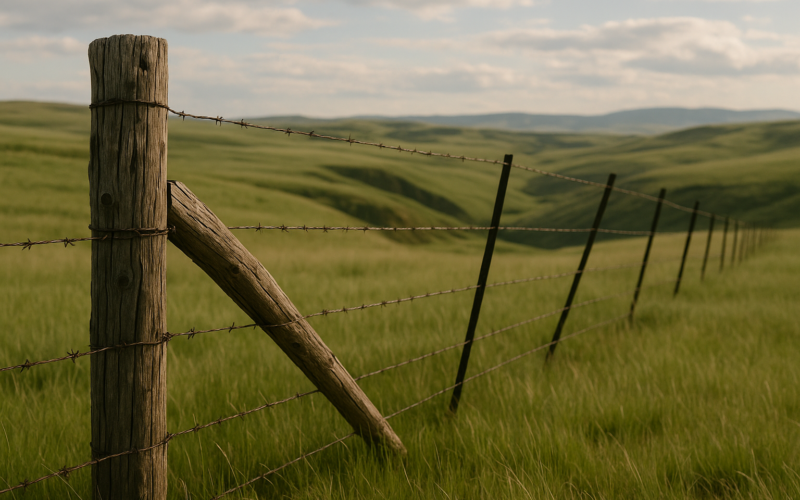
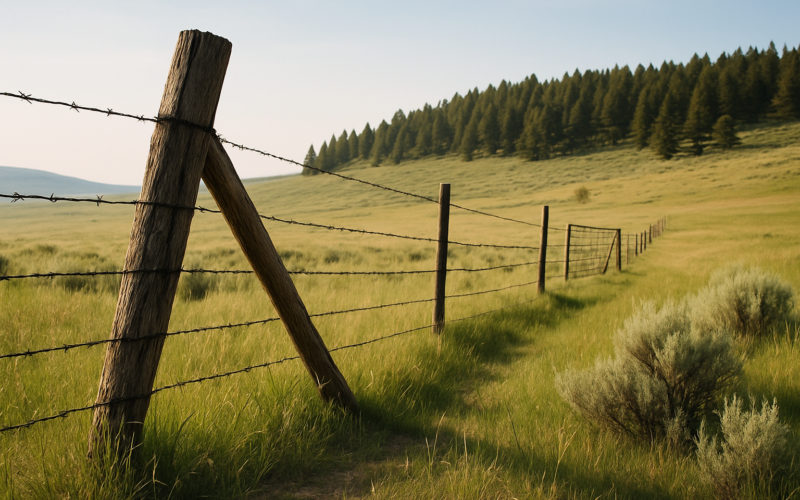
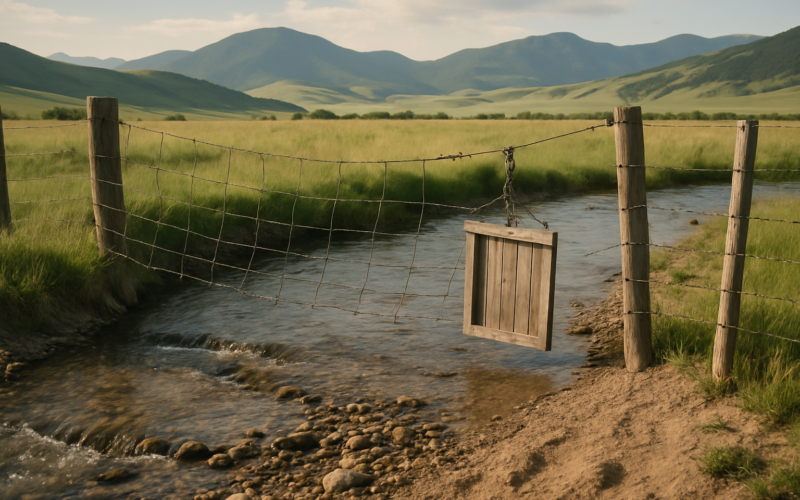
Historically, fencing has been a critical component of livestock management, but it has also posed significant challenges, including high maintenance costs and environmental degradation. Virtual fencing addresses these issues, aligning with global efforts to promote sustainable agricultural practices.
What to Watch For
As the Kalberers continue to integrate virtual fencing into their operations, key areas to monitor will include the technology’s long-term impact on farm economics, animal health, and environmental outcomes. Stakeholders in the agricultural sector will be keen to see if this model can be scaled and replicated across different farming contexts.
Potential challenges include the initial investment costs and the need for reliable data connectivity, which may be barriers for some farmers. However, as the technology matures and becomes more accessible, it is likely to play a crucial role in the future of sustainable agriculture.
For more details on the Kalberers and their innovative farming practices, visit the original AgUpdate article.
Frequently Asked Questions
What are virtual fencing collars?
Virtual fencing collars use GPS technology to manage livestock boundaries without physical fences, employing sound and mild pulses to control animal movement.
How do virtual fences benefit farmers?
They reduce labor and material costs, offer flexible grazing management, and minimize environmental impact compared to traditional fencing.
What challenges face the adoption of virtual fencing?
Initial costs and reliable data connectivity are primary challenges, though these are expected to decrease as technology advances.
Can virtual fencing improve animal welfare?
Yes, it allows for larger roaming areas and reduces stress from traditional fencing, enhancing overall animal welfare.
Is virtual fencing scalable to different farm sizes?
While promising, scalability depends on the farm’s infrastructure and access to technology, but it’s expected to become more accessible.