The grass is ready, the forecast finally shows three dry days in a row, and that’s exactly when the swather decides it’s done for the season. Every Montana hay producer has lived some version of this. The difference between a cutting that gets put up clean and one that lays in the windrow through a thunderstorm is often a part that costs less than lunch in town.
Haying season runs hard and short here. From the Gallatin to the Milk River, the window between cutting and the next weather system can be tight, and the machinery takes a beating in dust, heat, and long days. Spending a little time on maintenance before and during the run beats sitting in the shade waiting for a delivery from Billings.
Before the first round
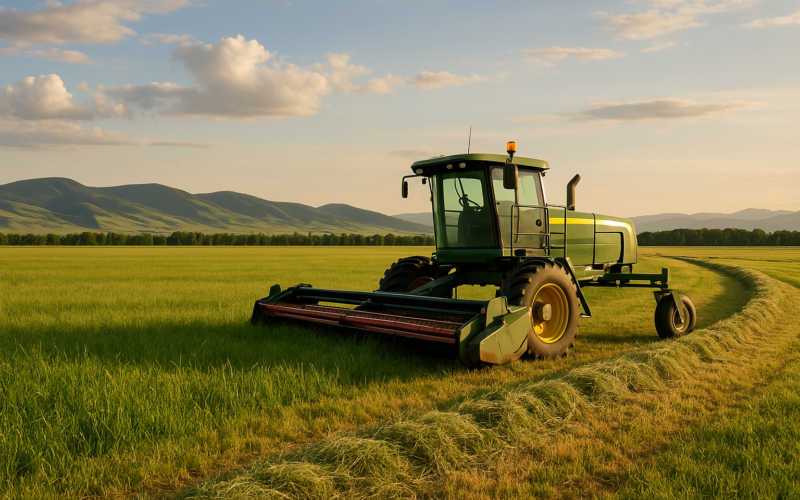
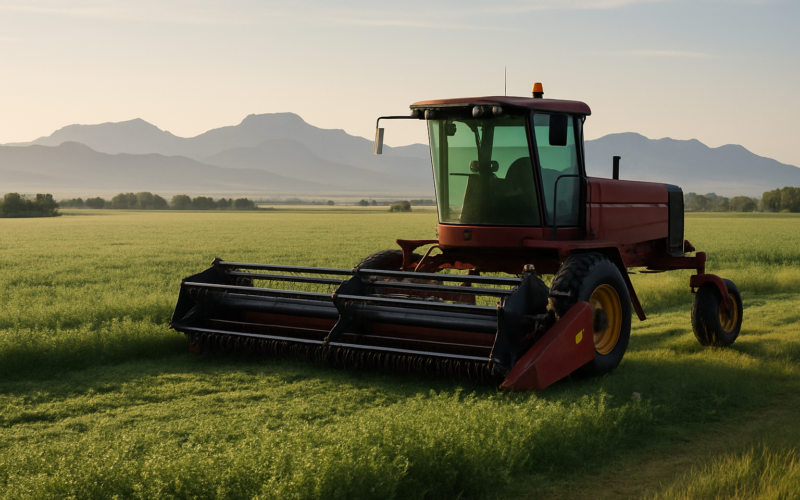
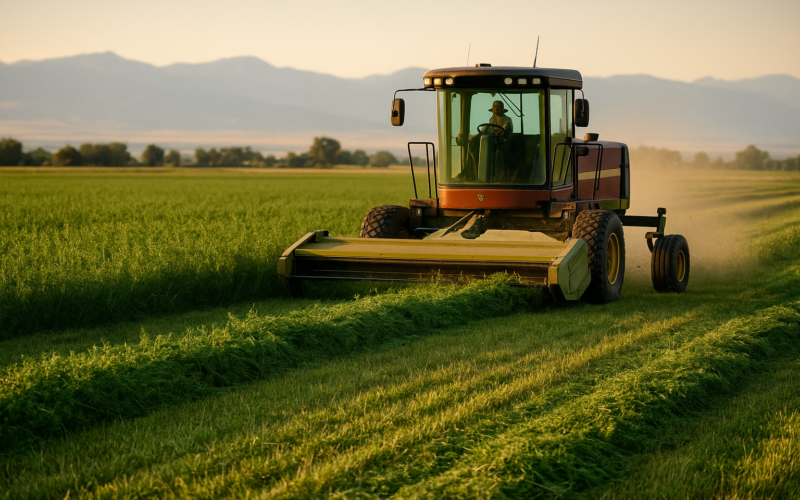
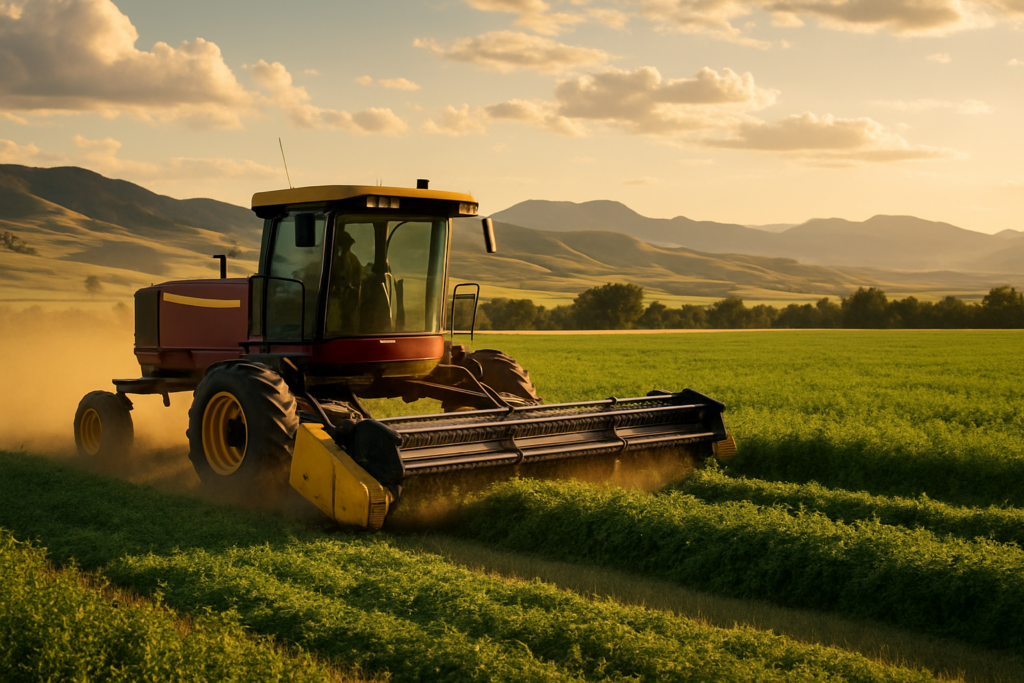
Go over the swather or mower-conditioner before you drop the header, not after it quits. Pull the guards and look at the sickle. Worn or chipped sections leave a ragged cut that mats down and dries unevenly, and dull knives make the engine work harder for less acres. Keep a sharpened spare sickle in the truck or shop so a wreck in the field is a fifteen-minute swap instead of an afternoon at the bench.
Check the hold-downs and ledger plates while you’re in there. If the sickle has play, it hammers itself apart. Grease everything the manual lists, and then grease the spots the manual doesn’t mention but you know run dry. Wobble boxes, pitman bearings, and conditioner roll bearings are the ones that tend to fail at the worst time. A bearing that’s getting noisy in the shop will be a smoking mess by the third hot afternoon.
On the baler, the same logic holds. Round baler belts that are cracked or frayed will let go mid-bale, and splicing one in the field with bugs in your eyes is nobody’s idea of fun. Look at the pickup teeth, the chains, and the clutch. Run the monitor and the twine or net systems through a cycle in the yard so you find the gremlins before you’re three quarters through a 60-acre piece.
Watch the fire risk
Dry Montana hay ground and hot machinery are a bad combination, and it doesn’t take much. Chaff packs in around the exhaust, on the belts, and against the engine, and a seized bearing or a dragging brake puts off enough heat to light it. Equipment fires take a swather and sometimes a stretch of grass with them every summer.
Blow the machine down with compressed air or a leaf blower at the end of each day, especially around the engine compartment and any spot collecting dry trash. Carry a charged fire extinguisher on the cab and a shovel, and keep a stock tank or a sprayer of water close when the ground is tinder dry. If you smell something hot or hear a bearing start to whine, shut down and look before it becomes a problem you can see from the highway.
Keep parts and habits close
The producers who don’t lose days are the ones who stocked the wear items ahead of time. Sickle sections, guards, a couple of belts, baler teeth, twine, net wrap, hydraulic hose ends, and the filters the machine eats. Parts counters run thin on common items in the middle of June because every outfit in the county is cutting at once. What’s on your shelf is what you’ve got at 6 p.m. on a Saturday.
Keep up with the small stuff during the run, too. Check oil and coolant every morning, walk around the machine looking for leaks and loose bolts, and listen when you start it. Tighten the things that vibrate loose. A driveline U-joint that’s getting sloppy, a tire low on air, a hydraulic fitting weeping a little — none of those fix themselves, and all of them get worse under load.
None of this is complicated, and that’s the point. Hay equipment doesn’t usually fail because something exotic broke. It fails because a grease zerk got skipped, a worn part got run one more week, or chaff sat on a hot manifold. The weather decides when you cut. Keeping the iron ready decides whether you get the crop in the stack while it’s still good feed.