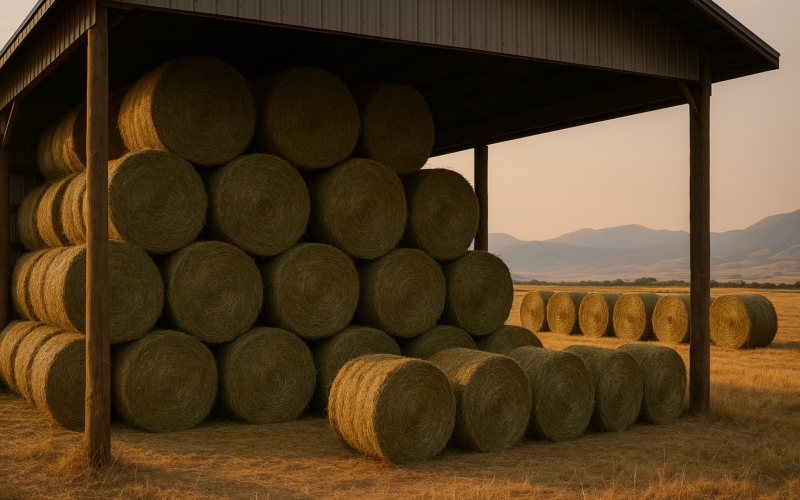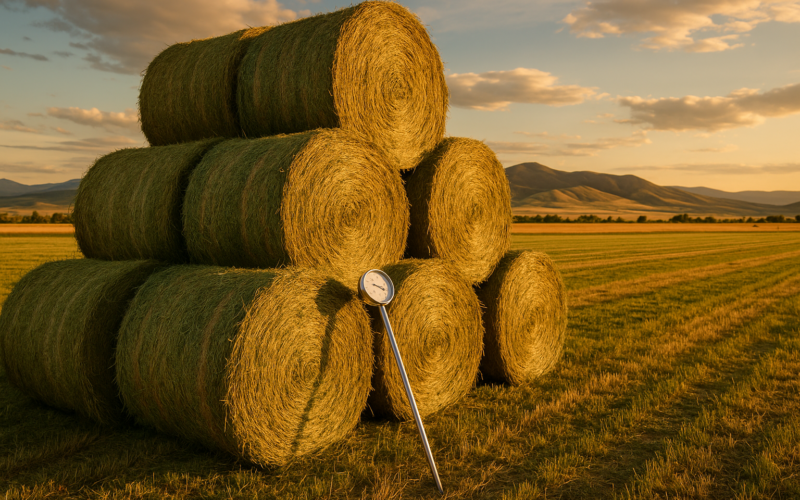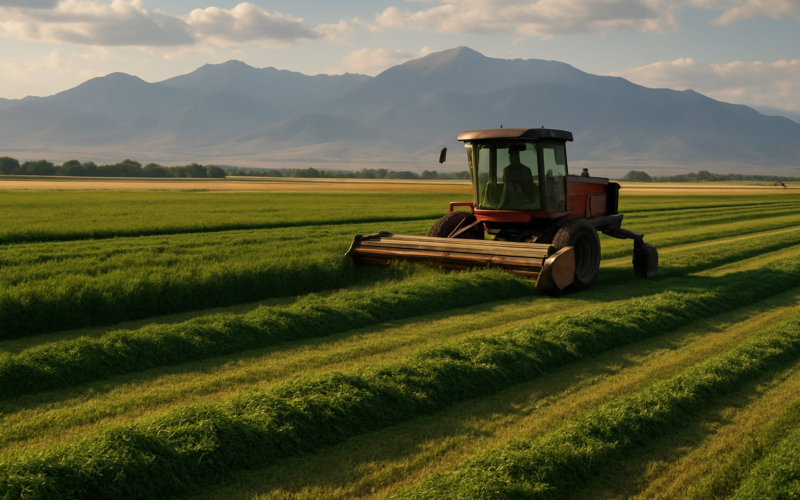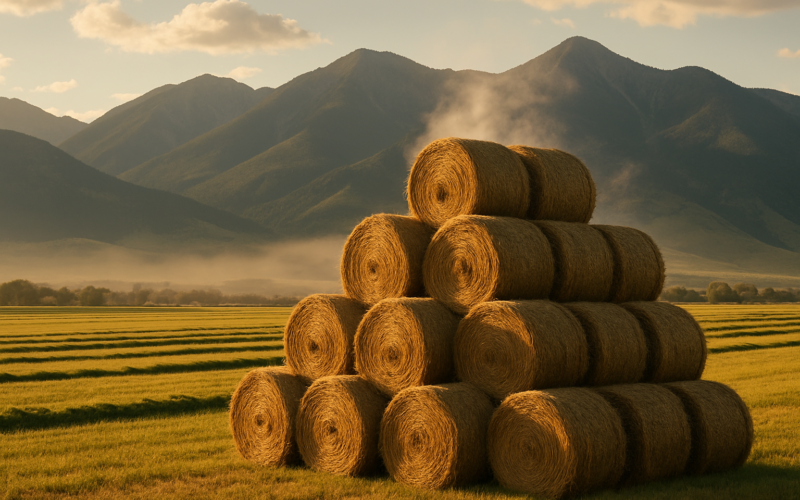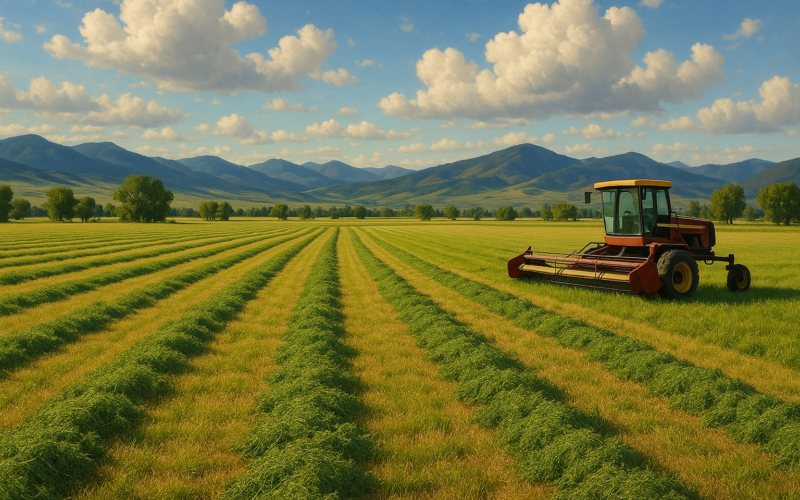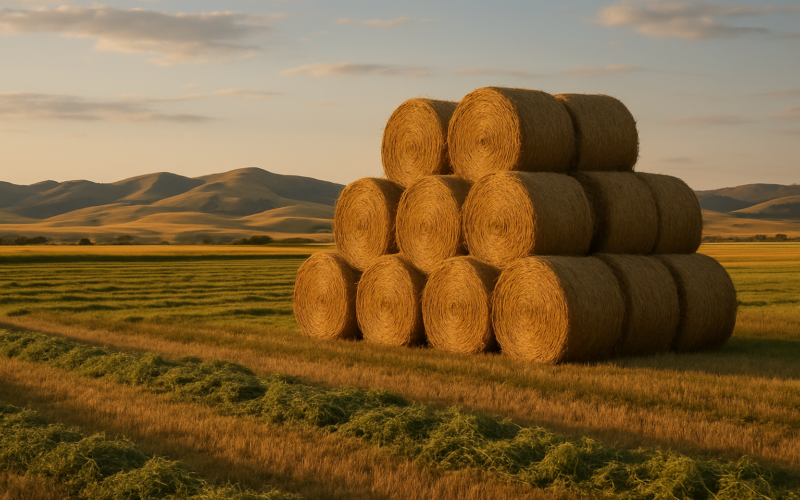
Bale First Cutting a Little Too Green and the Stack Heats Itself, Sometimes Hot Enough to Burn
Hay put up above 18 to 20 percent moisture keeps working after it leaves the field. Sometimes it just molds and loses…
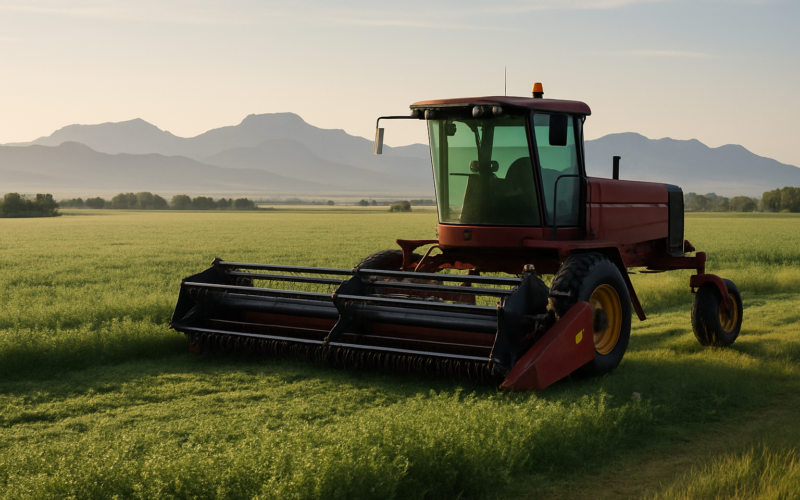
A rundown on prepping your haying string before first cutting hits full swing in Montana — sickle sections, knotters, bearings, and the…
Waiting an extra week to cut first-cutting alfalfa or grass hay buys you tonnage and costs you feed value. Here's how to…
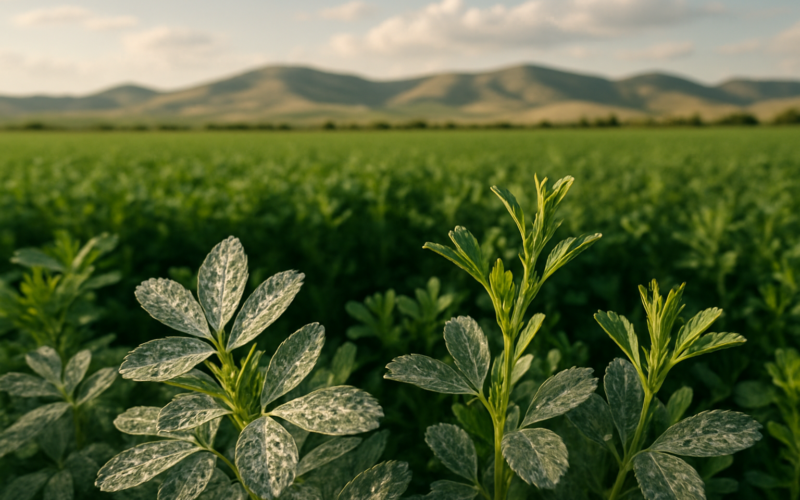
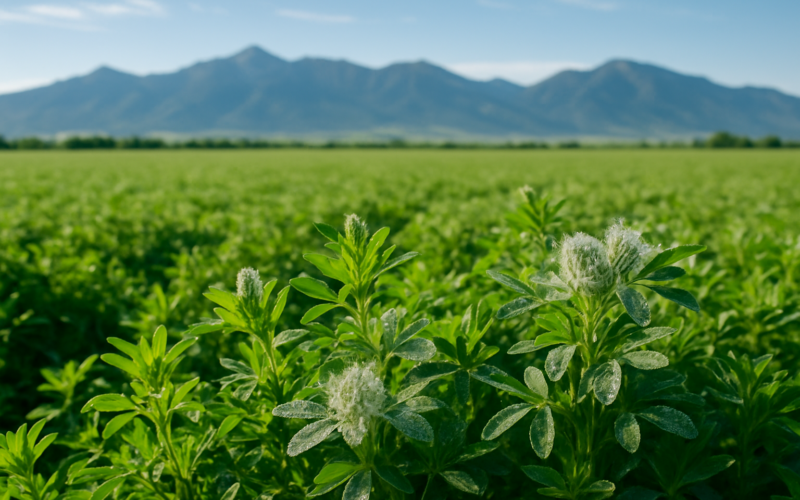
Alfalfa weevil larvae strip the leaves off new growth right before first cutting, and the frosted-looking field you're waiting on may be…
Baling first-cutting hay before it's dry enough sets off heating inside the bale that can spoil feed and, in the worst case,…
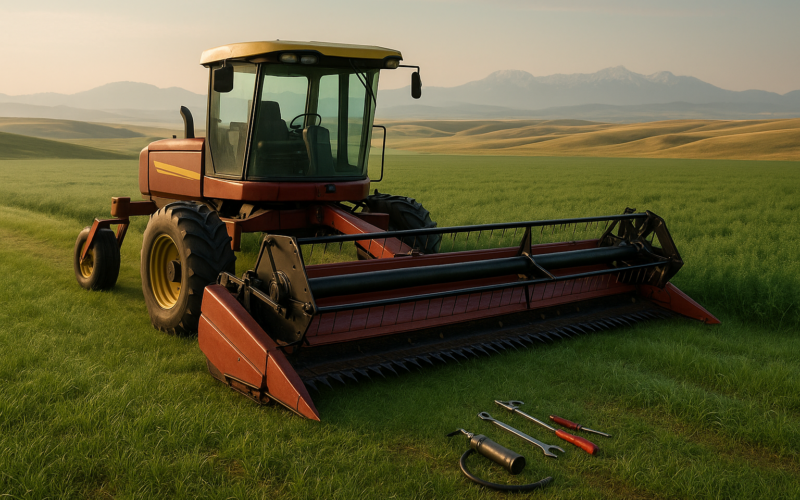
Haying equipment sits nine months and then gets asked to run flat out for three weeks. A few hours of shop time…
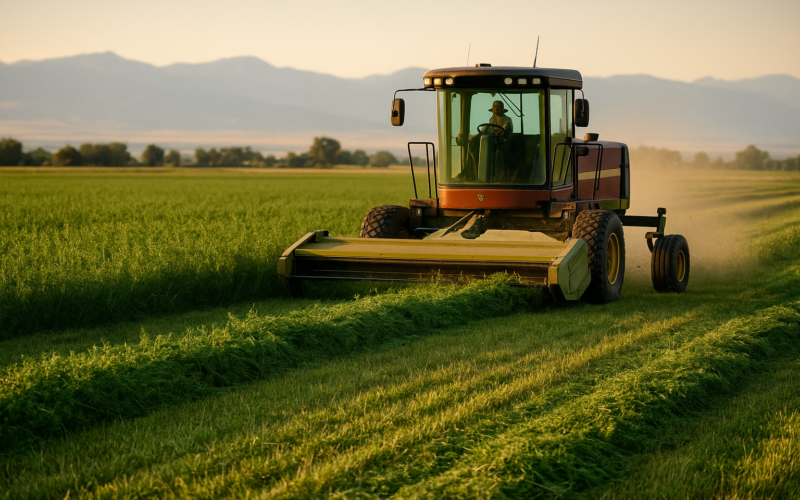
First cutting sets the tone for your whole hay year. Waiting for more tonnage costs you protein, and cutting too short costs…
Wet hay doesn't just mold. Bales put up above safe moisture can heat past 150 degrees, lose feed value, and in a…
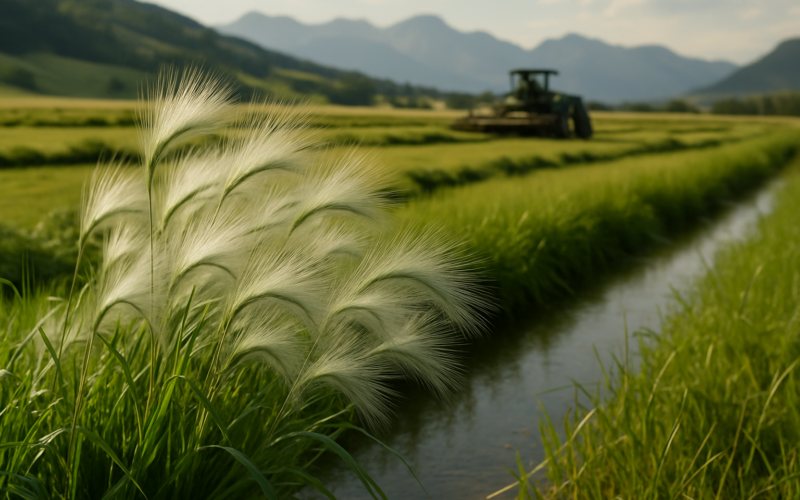
Those silvery seedheads coming on in the low ground and the field edges aren't harmless. Foxtail barley awns work into gums, cheeks…
Alfalfa weevil larvae skeletonize the top leaves of a stand right before first cutting, and the damage looks like frost from the…
Most haying-season fires don't start with lightning. They start with a hot bearing, a chaff-packed engine, or a rock and a sickle…
Hay put up a few points too green keeps working after it leaves the field. Learn to read moisture, stack for airflow,…
Waiting on the alfalfa to bulk up feels like the smart play, but every day past early bloom pulls protein and energy…
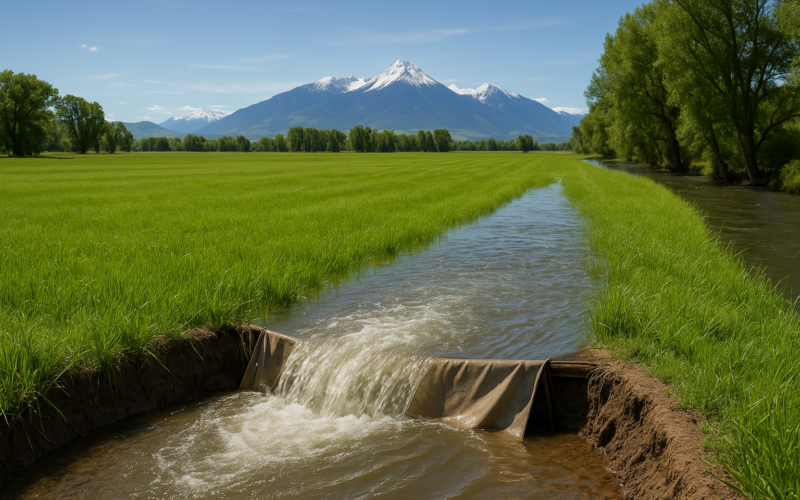
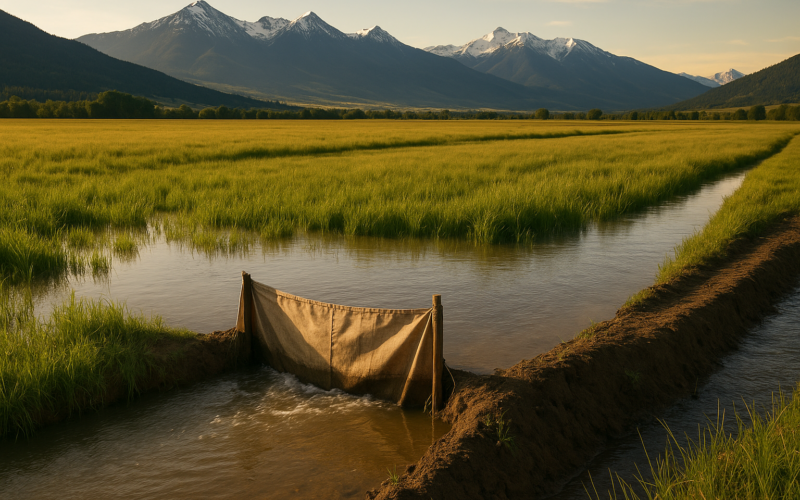
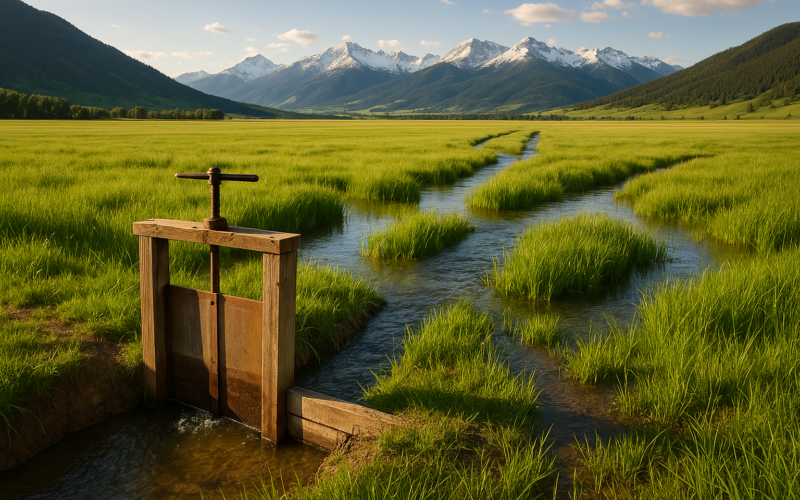
Mountain runoff peaks and drops fast in a Montana June. Spreading flood water evenly across a wild-hay meadow now decides how much…
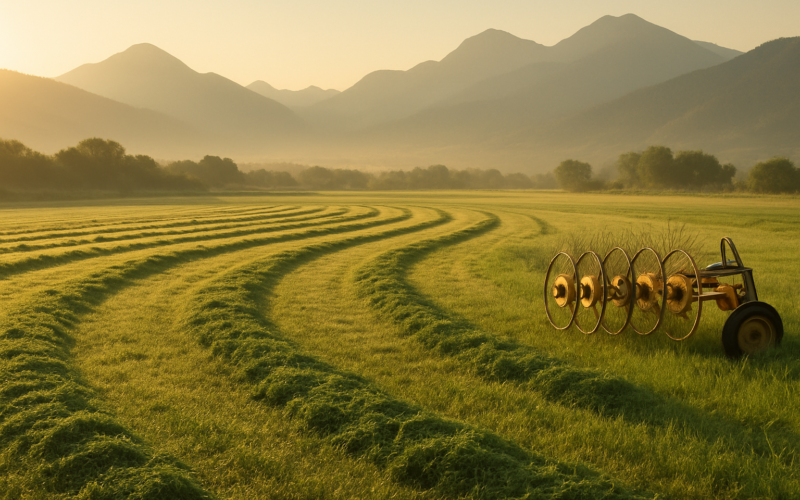
First cutting waits on nobody. A weekend spent servicing the swather, baler, and rake before you drop the sickle keeps a good…
Hay put up above safe moisture keeps heating in the stack long after you've left the field, and by July it can…
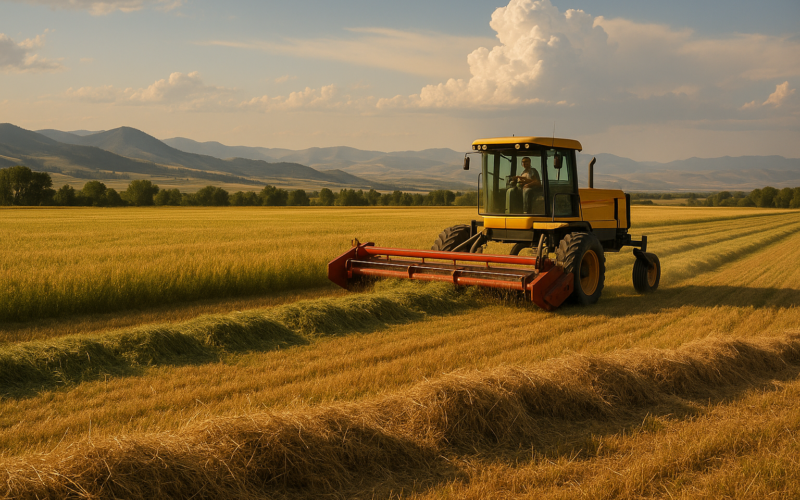
Waiting for the swather to fill the windrow buys you bulk, but the protein and energy are already walking out of the…
Weevil larvae skeletonize the leaves off your best alfalfa in June, right when the stand should be filling out. Here's how to…
Haying equipment starts more range fires than most people think. A little grease, an air hose, and a fire extinguisher on the…
Hay that goes in the stack a few points too wet heats, molds, loses feed value, and in a bad year lights…
Every day you wait past the boot stage, your grass hay loses protein and gains stem. Here's how to read the crop…
On Montana's flood-irrigated hay meadows, the trick isn't turning the water on — it's knowing when to shut it off so the…
A day spent in the shop before first cutting beats a day broke down in the field with a storm building. Here's…
Hay put up a little green feels like a win in a short weather window, but bales stacked too wet heat, mold,…
First cutting is where you make or lose your protein for the year. A few days' delay and the right baling moisture…