Most Montana ranches still run a lot of cattle on big, season-long pastures — turn out in June, gather in September, and hope the grass lasts. It usually does, more or less. But the cows graze the good spots twice before they touch the far corner, and by August half the pasture is grazed to dirt while the rest is stemmy and ignored. A single strand of electric poly wire can fix a lot of that without pouring posts or restringing barbed wire.
The idea is simple. Cut a big pasture into two or three pieces with temporary fence, graze one piece harder for a shorter stretch, then move the cattle over. The grass you’re not on gets a rest instead of a second and third bite. Mid-June is a good time to start because the grass is growing fast enough that a rested paddock actually recovers before you come back to it.
What it takes to build one
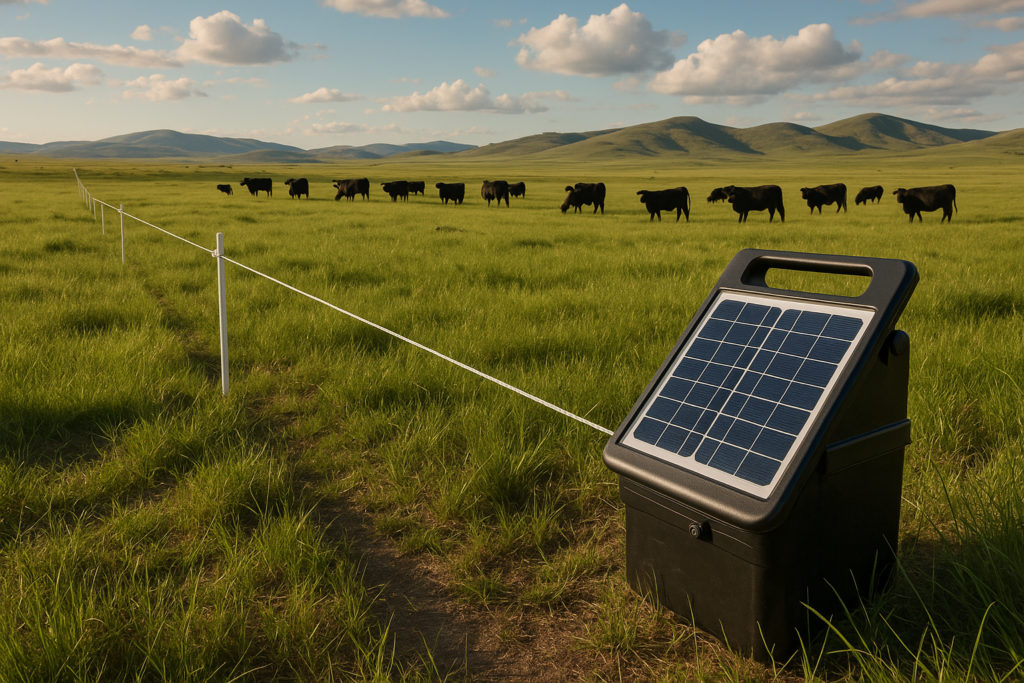
You don’t need much. A spool of poly wire or poly braid, a bag of step-in posts, a solid energizer, and something to ground it. For a straight run across a quarter-mile draw, one person can string it in under an hour once they’ve done it a few times.
The energizer is where people get cheap and regret it. A single wire across dry June grass with weeds already brushing it will drain a weak charger down to nothing. Size the energizer bigger than you think — enough joules to push through vegetation and cover the length you’re fencing, with room to spare. If you’re a long way from power, a solar unit with a decent battery works, but keep the panel clean and aimed south. A charger reading strong at the fencer means nothing if you’re getting less than about 3,000 volts out at the far end. Buy the fault tester and actually walk the line with it.
Grounding is the other half nobody thinks about, and it’s the reason a lot of hot fences aren’t hot. Dry Montana ground is a poor conductor. You want several galvanized ground rods driven deep, spaced out, not one short rod pounded into powder-dry gumbo. In the driest part of summer a fence can read fine at the box and still barely tick a cow’s nose because the ground side can’t complete the circuit. If the shock is weak and the wire’s clean, add ground rods before you blame anything else.
Training cattle to respect it
Cows raised behind barbed wire don’t automatically fear a thin plastic string. They have to touch it once, get bit, and learn. The best time to teach them is in a corner or a small trap where they’ve got feed and water and can’t blow through the wire in a panic. Give them a day around it before you count on it to hold. Once a herd is trained to hot wire, they’ll respect a single strand that a green bunch would walk right over.
Pairs are the exception worth watching. A calf that gets on the wrong side of the wire from its mother will find a way through, hot or not, and once one goes the rest follow. Set your temporary line where calves aren’t likely to get separated, and check it the first couple of days after every move.
Making the moves pay
The point of all this isn’t to fence for the sake of fencing. It’s to control when and how hard a piece of grass gets grazed. Graze a paddock down to the stubble height you’re comfortable leaving, then move — don’t wait until it’s chewed into the dirt. On fast June growth you might move every few days. By late July, when growth slows to a crawl, the same paddock feeds them longer and you slow the rotation down to match.
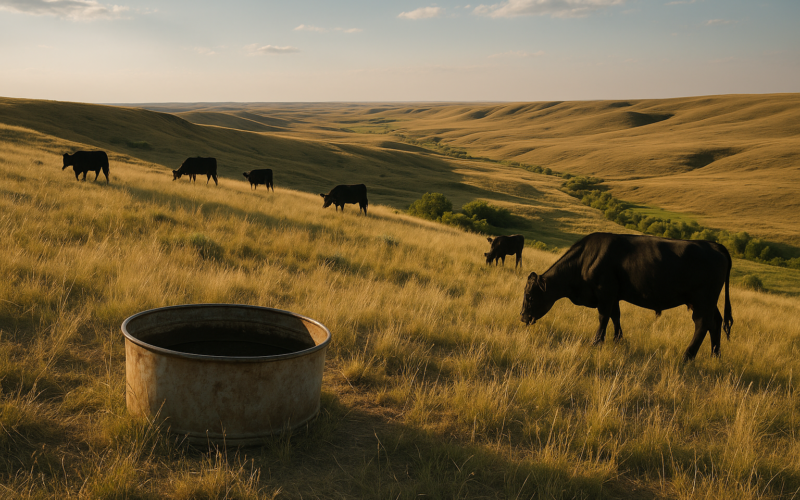
Water is the thing that decides how far you can push this. If there’s one spring or one tank, every paddock has to touch it, and your temporary fence has to leave a lane or a gate to get there. Some outfits run a poly pipe and a portable trough so they can water wherever the cattle are. That’s more setup, but it’s what lets you graze the far end of a pasture that’s never seen a cow before because there was no water out there.
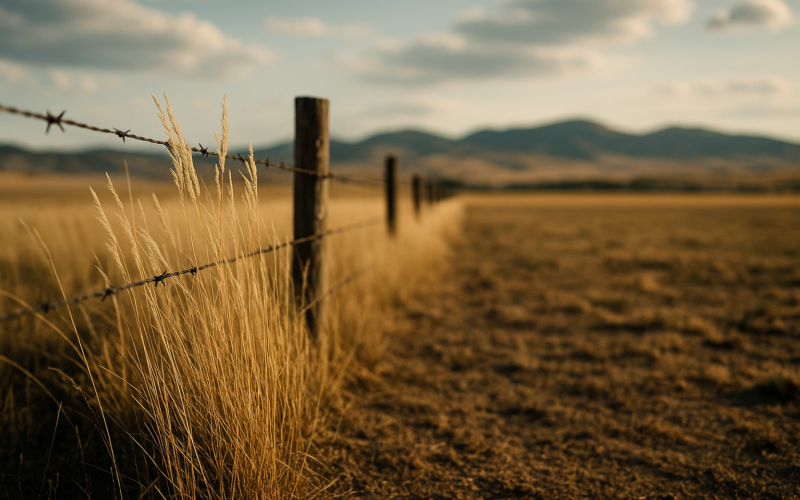
None of this has to be permanent. Pull the wire in September, roll it back on the spool, and the pasture is a big open unit again for winter. If a division earns its keep two years running, that’s when you think about a permanent cross-fence. Until then, a spool of wire in the pickup and an afternoon’s work will stretch your grass further than most any single thing you can do this summer.