Every June the foothill pastures light up with color that isn’t wildflowers. Spotted knapweed puts up its purple heads, leafy spurge turns whole draws that sick yellow-green, and houndstongue stands there waiting to burr up in the tail of every cow that walks past. By August most of it has gone to seed, and by then anything you spray is a waste of diesel and chemical.
The window that matters is now, give or take, depending on elevation and how the spring ran. Weeds are pulling water and moving sugars around while they set flower buds and bloom. Herbicide follows that same downhill flow into the roots. Hit a plant that’s actively growing and you kill the crown. Hit a plant that’s already dropped seed and shut down for the year, and you brown off the top while the roots sit there fine, waiting on next spring.
Know which weed you’re fighting
The timing shifts a little by species, and knowing what you’ve got changes how you handle it.
- Spotted and diffuse knapweed take a broadleaf herbicide well from the rosette stage up through early bloom. A rosette in the shade of last year’s dead stalks is easy to miss, but it’s the most vulnerable target you’ll get. Once the seed heads mature, you’re mostly cleaning up for looks.
- Leafy spurge is the stubborn one. The true flower shows up under those yellow-green bracts everybody calls the bloom. Spring at true-flower is a good shot, and a lot of outfits get their best kill with a fall follow-up when the plant is hauling reserves back down to the roots. One pass rarely finishes spurge. Plan on coming back.
- Canada thistle responds best in the bud-to-early-bloom stretch, and again in fall on the regrowth. Mowing it in between keeps it from seeding but doesn’t kill it.
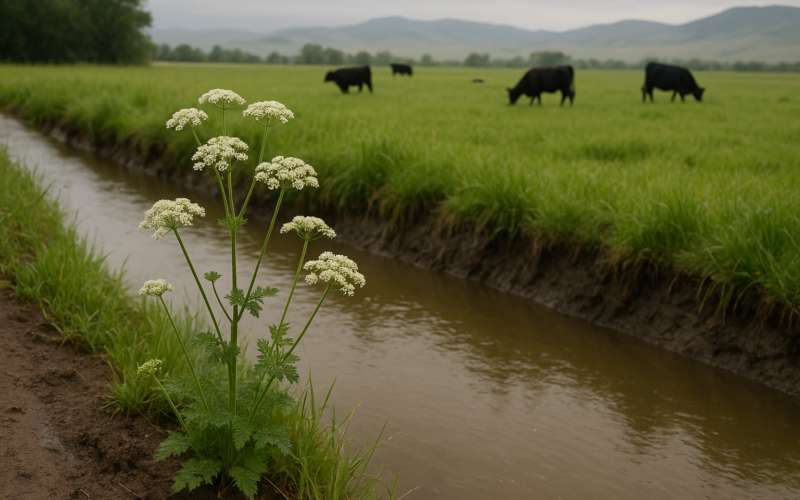
- Houndstongue is a biennial. Kill the rosettes and bolting plants before those velcro burrs set, or you’ll be pulling them out of manes and switches all winter.
Read and follow the label on whatever product you run, and mind the grazing and haying restrictions. Some broadleaf chemistries have a waiting period before you can turn cattle back in or cut hay off treated ground, and a few will carry through in manure and hay in a way that’ll hurt a garden or a hayfield later. That’s on the label for a reason.
Spot-spray where you can, broadcast where you have to
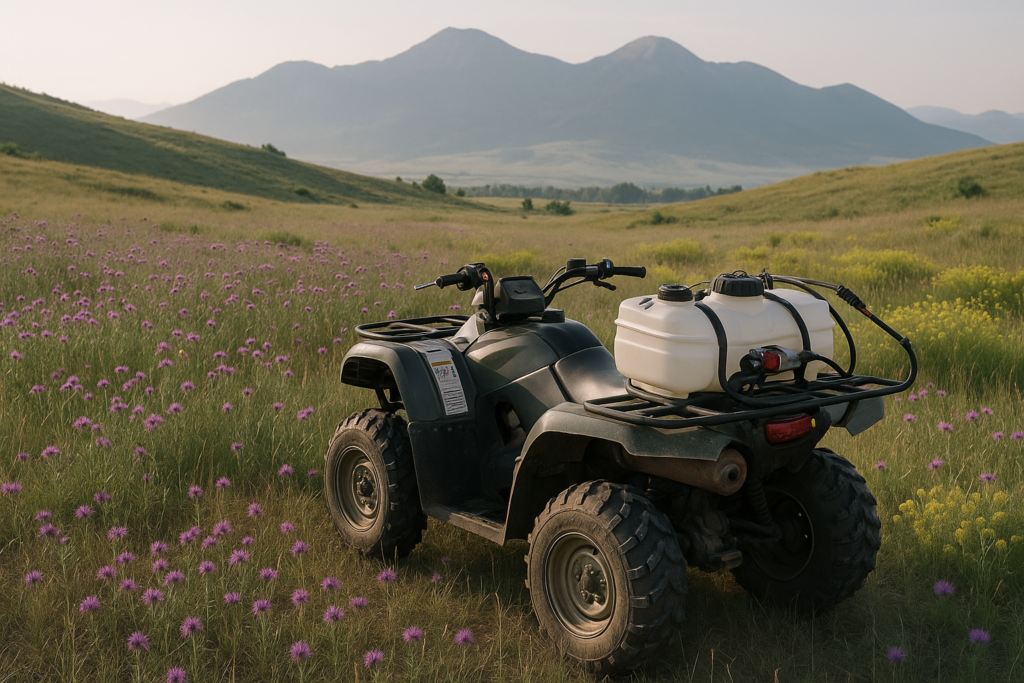
You don’t have to blanket a whole hillside. On light infestations, a backpack sprayer or a spot gun off the four-wheeler puts chemical on the plants that need it and leaves the grass alone. That’s cheaper and it’s easier on the desirable forage you’re trying to bring back. Broadcast spraying makes sense on a solid stand of spurge or knapweed where there’s not much good grass left to protect anyway.
Add a surfactant if the label calls for one, especially on waxy leaves like spurge. Spray in the cool part of the day when it isn’t blowing. Wind carries herbicide onto your own alfalfa, your neighbor’s beans, or the shelterbelt faster than you’d think, and a hot afternoon can volatilize some products right off the target. Early morning, calm air, plants that aren’t drought-stressed—that’s the combination that works.
Killing weeds isn’t the whole job
Bare dirt doesn’t stay bare. Every patch you spray is an opening, and knapweed seed banks in the soil for years waiting to fill it. If good grass doesn’t move into that space, the weeds come right back, sometimes worse. That’s where grazing management does the heavy lifting your sprayer can’t. Don’t graze a recovering patch into the ground. Leave enough healthy grass to compete and it’ll crowd the weeds out over time far better than chemical alone.
Cattle will graze spotted knapweed a little, and sheep or goats hammer leafy spurge if you’ve got access to them. That won’t clean a place up by itself, but grazing pressure on the weed plus herbicide plus healthy competing grass beats any one of those working alone.
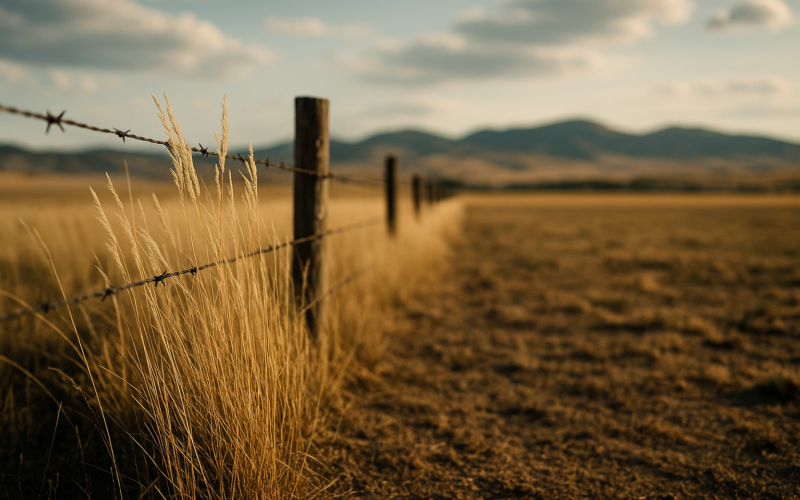
Keep an eye on the ground your equipment and cattle move across, too. Knapweed and houndstongue hitch rides in hay, in the mud on a truck, in the wool and hair of everything that passes through. A new patch you catch at a dozen plants along a gate or a stock trail is an afternoon with a backpack. The same patch three years from now is a project. Walk your fence lines and water gaps, mark what you find, and get to it while it’s still small and still blooming.