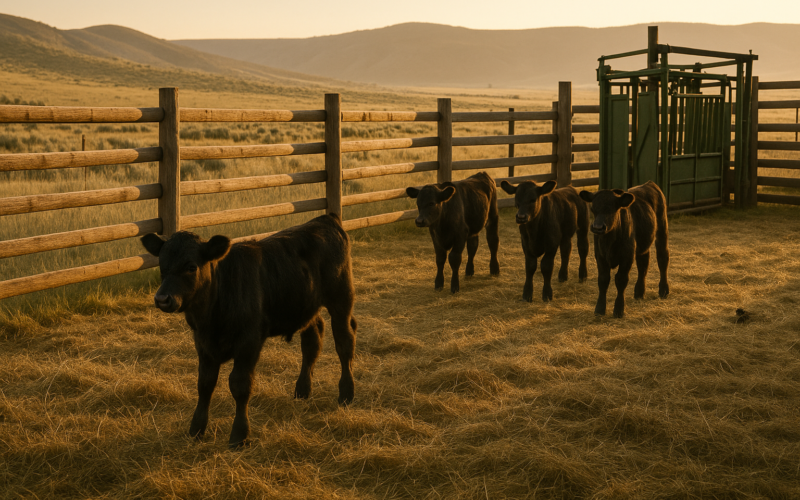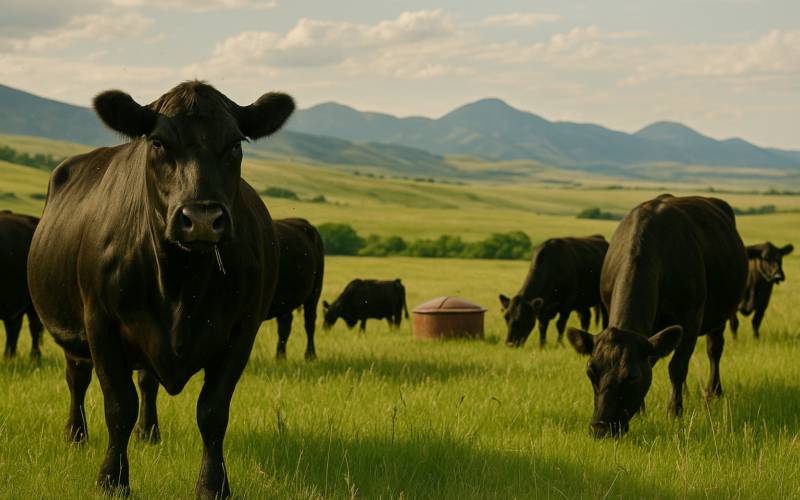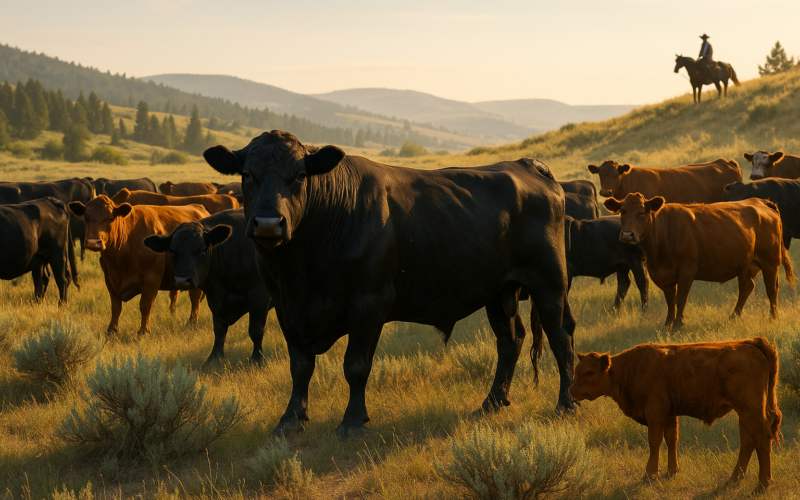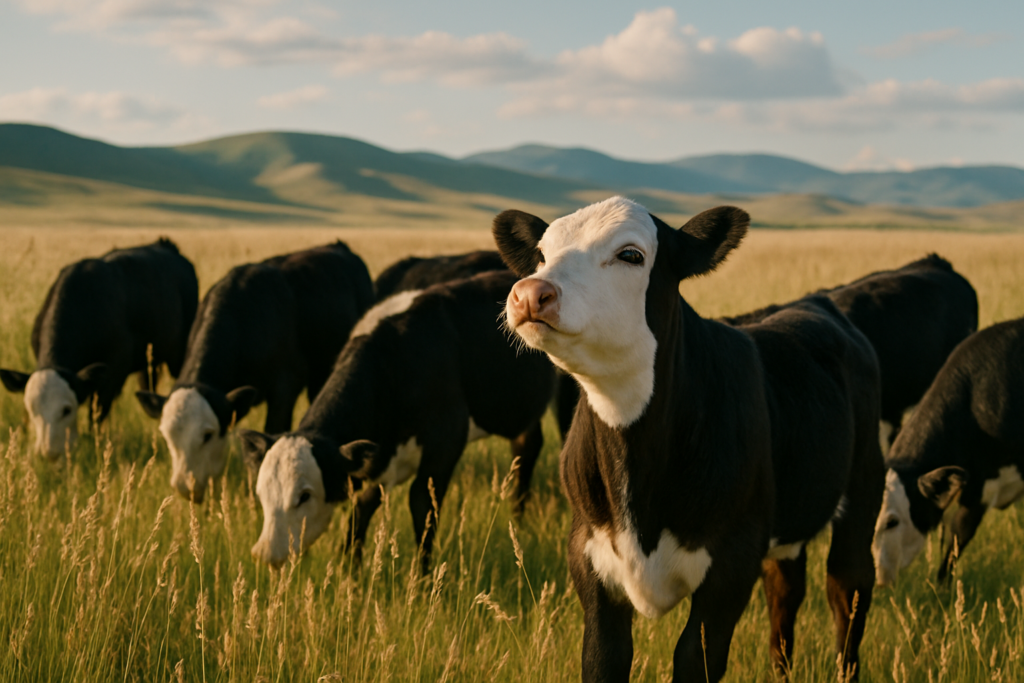
You turn out on good summer grass, everything looks right, and then one morning you spot a calf standing off by itself with a runny, squinting eye. A week later there are six of them, and a couple have that cloudy blue-white spot in the middle of the eye that tells you the cornea is already ulcerating. Pinkeye works like that. It’s fine until it isn’t, and by the time you’re roping calves in the pasture to doctor them, you’re behind.
The disease is infectious bovine keratoconjunctivitis, and it’s driven by a bacteria that spreads from eye to eye. Once it’s in the herd, it doesn’t need much help getting around. What you can control is the stuff that opens the door and moves the bug: irritation to the eye and the flies that carry it.
What sets it up in June
Three things line up this time of year. First, the seedheads. Once your brome and other grasses head out and start to dry at the tips, calves grazing with their heads down get poked in the eye by stiff awns and stems. Any scratch on the surface of the eye is a place for infection to take hold. Foxtail and cheatgrass are the worst offenders, but even good tame grass with a coarse seedhead will do it.
Second, face flies. Unlike horn flies that live on the back and belly, face flies feed around the eyes and muzzle, working the moisture at the corners of the eye. They pick up the bacteria off an infected animal and carry it straight to the next one. A calf with a weepy eye is a fly magnet, and every fly that lands there and moves on is spreading it.
Third, sunlight and dust. Bright glare irritates an already sore eye, and dusty conditions on a dry June add one more source of scratch and inflammation. Calves with white faces or no pigment around the eye seem to get hit harder, which is why you’ll notice it running through the Hereford-cross calves before anything else.
Cut the causes before you cut into your treatment bill
Fly control is the biggest lever you’ve got, and it’s the same tools you’d use for horn flies pulling double duty. Fly tags, pour-ons, dust bags, and oilers all help knock face fly numbers down. The catch is that face flies are harder to hit than horn flies because they only spend part of their time on the animal, so don’t expect a tag to wipe them out. Dust bags and oilers hung where cattle have to use them, like over a mineral feeder or in a gateway, put insecticide right on the face where it counts.
Grazing management matters too. If you can keep calves on greener, leafier pasture instead of turning them into rank, headed-out grass, you cut down on the mechanical eye damage that starts the whole thing. Clipping or grazing off seedheads in a pasture you’re about to use is worth the diesel if pinkeye has been a problem for you before.
Some producers vaccinate ahead of the season. The trouble with pinkeye vaccine is that there are multiple strains of the bacteria involved, and the shot in the bottle may not match what’s actually in your herd. It can help in some outfits and do nothing in others. If you go that route, get it in well before fly season, not after calves are already breaking with it.
When you’re already doctoring
Once a calf breaks, catch it early. A weepy, squinting eye caught in the first day or two responds to treatment far better than one that’s already gone cloudy and ulcerated. Your vet can set you up with the right long-acting antibiotic and, in bad cases, an eye patch or a couple of stitches to close the lid and give the eye a chance to heal in the dark. Pull the worst ones into the shade if you can.
Isolating heavily affected calves helps slow the spread, though that’s easier said than done on summer country. Even moving the sick ones off to a separate trap keeps the flies working them away from the rest of the bunch.
The reason to care is the same reason you care about anything on a calf this time of year: weight. A calf fighting an infected, painful eye doesn’t graze as hard, and a permanently scarred or blind eye follows it right into the sale ring in October. Catching pinkeye early and keeping fly numbers down through July is cheaper than doctoring half the herd and eating the discount at weaning.