Turnout to summer country is one of those jobs that looks finished the minute the last pair steps off the trailer and the gate swings shut. It isn’t. What cattle do in the first three or four days on a new piece of range tends to stick. If they find the creek, the shade, and a soft green bottom that first evening, that’s where you’ll find them in August too — standing hock-deep in the riparian while the ridges above them cure out untouched.
On a big Forest Service allotment or a section of deeded foothill range, the grass is rarely the problem. The problem is that cattle use maybe a third of it and hammer that third to the dirt. Getting even use out of the country you’re paying for, or leasing, comes down to a handful of things you control and a lot of walking.
Settle them before you leave
The worst thing you can do is dump pairs off the trailer at the corner gate and drive home. Fresh cattle in strange country do one of two things: they walk the fence looking for the way back, or they drop into the first water and shade they hit and never leave. Neither one spreads them out.
If you can, unload at the bottom of a pasture and push them up onto the country you actually want them to use. Cattle graze uphill and loaf downhill, so start them high and let gravity work against you instead of for you. Give the herd a little time to mother up and settle rather than trailing them hard the last mile — cattle that arrive strung out and rattled scatter to the bottoms to regroup. Calm cattle stay where you put them.
Ride the country the first few days even if nothing’s wrong. You’re not doctoring, you’re teaching. Bumping cattle off the creek in the morning and drifting them back toward the slopes and benches, day after day, builds the pattern you want. It’s tedious and it works better than any fence you could build.
Use salt and water to move the herd, not just feed it
Cattle will walk to salt and mineral, so quit setting the tub by the corral where it’s handy for you and start setting it where you need the grazing. Put loose mineral on the ridges, in the saddles, and out on the dry benches a good half mile or more from water. It pulls cattle up out of the bottoms and onto ground they’d otherwise ignore, and it keeps them coming back to a mineral they actually need through fly and pinkeye season.
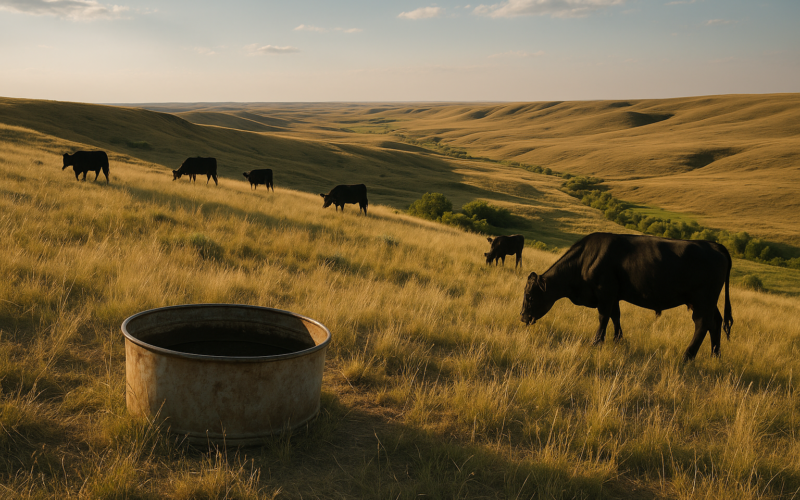
Move the salt as the country gets used. When one draw is grazed down and another is still ankle-deep, the tub goes to the ungrazed draw. Same idea with water — a spring development or a stock tank in a dry corner opens up range that cattle simply won’t walk to for a drink otherwise. Water is usually the hard limit on how much of a summer pasture gets touched. A little pipe and a float can do more for your grazing than another quarter mile of fence.
Watch the riparian and the salt on the same rides
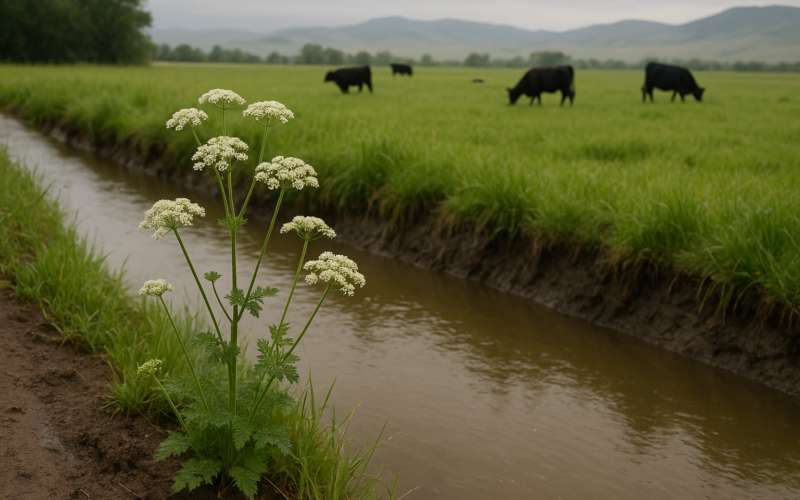
Two things go wrong fast on summer range and you can catch both from the saddle. The creek bottoms get pounded, and if they stay pounded the banks break down, the water muddies, and you’ve got a problem with the range con and with your own grass. If the same reach of creek is chewed to nothing every time you ride through, the cattle are telling you they’ve got nowhere better to be — more distribution, more salt on the hill, or it’s time to move to the next pasture.
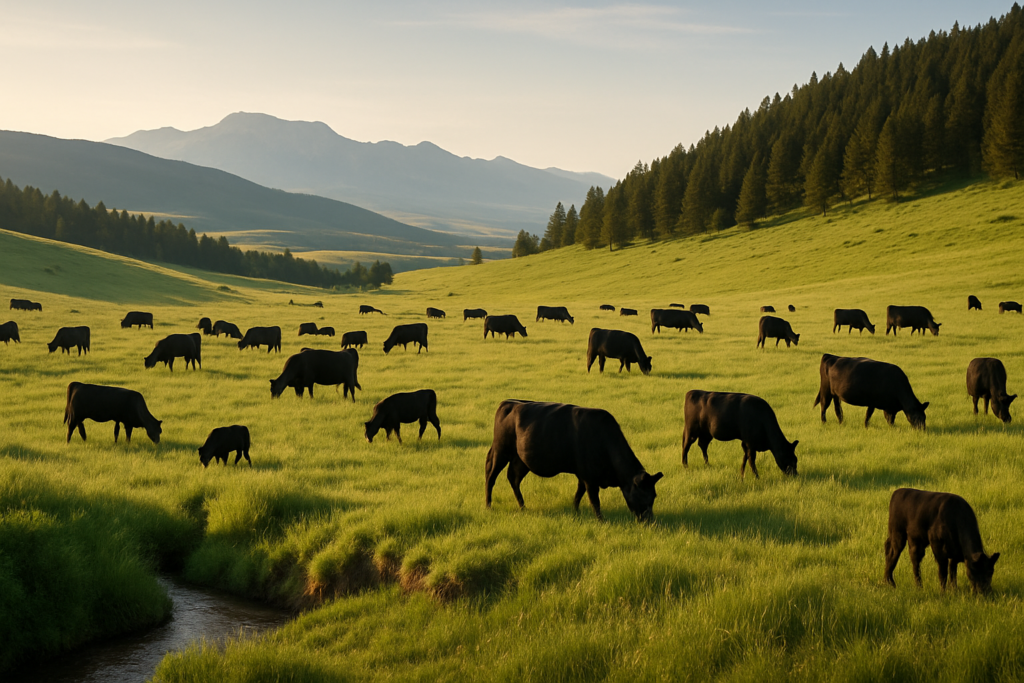
The other thing is bunching. Cattle stacking in one corner in the heat is how pinkeye and foot rot run through a herd, and it’s how a bear or lion learns where the easy pickings are. Cattle spread across the country are healthier cattle.
None of this is complicated. It’s showing up the first week, pushing cattle onto the ground you want grazed, and moving your salt and water to back the play. Do it right in June and you’re riding a settled, spread-out herd the rest of the summer instead of dragging them out of the same wet bottom every time you come up the trail.